
From maligned second city to Insta magnet: Marseille is France’s new capital of overtourism | Mary Fitzgerald
 adminUpdated 2 hours Ago4 Mins read
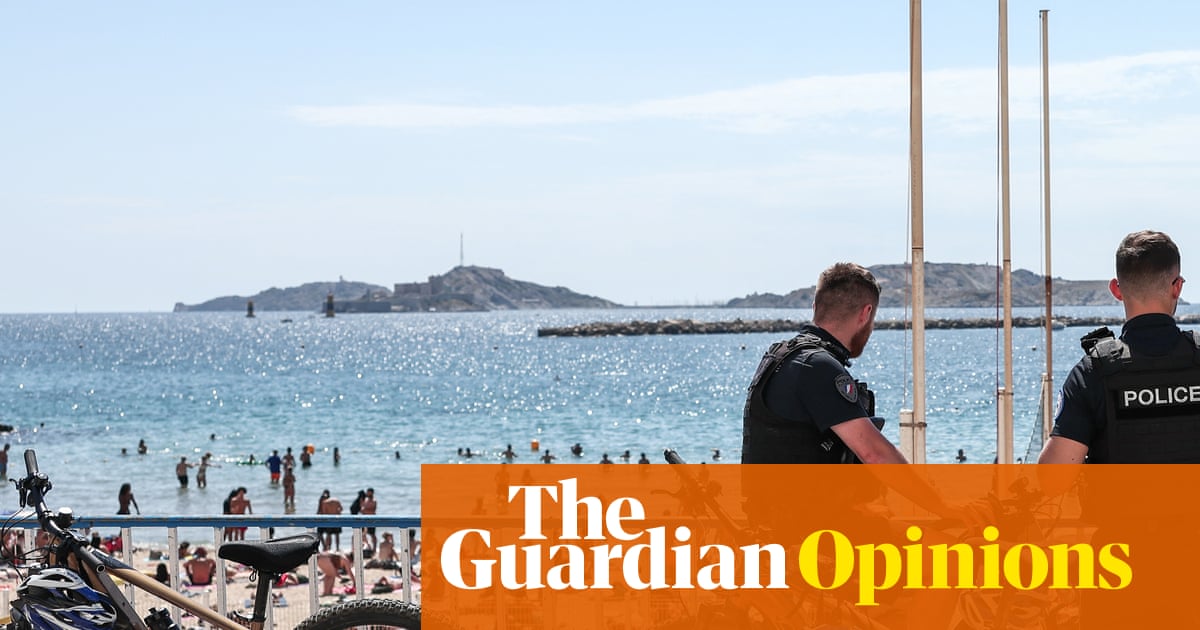
When I first started visiting Marseille more than 20 years ago, few could have predicted that France’s then beleaguered second city would become one of the most popular destinations in the most-visited country in the world. Tarnished by stereotypes and home to some of Europe’s most disadvantaged neighbourhoods, the port city seemed down on its luck, unloved and, in the eyes of many, somewhere to avoid. Tourists stopping at the city’s Saint-Charles station would clutch their bags while waiting for their connecting train to rural Provence, or the beaches of the Côte d’Azur.
Two decades on, poverty and drug gang violence still affect parts of Marseille, but this rough diamond has been reinvented as a modish holiday destination. Last month, I saw a local TV channel asking whether Marseille had become France’s capital of tourism, after Booking.com revealed it had surpassed Paris and Nice as the most searched-for destination for French users of the site. Breathless foreign media coverage – the New York Times published a “36 hours in Marseille” guide in 2019 and another one in 2025 – has driven the number of overseas visitors. From seaside petanque to vocoder rap and pizza served on aluminium plates, influencers revel in the golden-hued aesthetic of the urban riviera and promote the city’s most Instagram-friendly corners. Tourist numbers are expected to reach almost 7 million this year.
This has proved a boon for Marseille in many ways: more than 20,000 jobs are linked to the local tourism sector, which generates €1.4bn (£1.2bn) annually. But it has also prompted a heated debate over the challenges of overtourism. This summer has felt like something of a tipping point. In June, the inhabitants of Les Goudes, a rugged fishing hamlet on the city’s periphery that has become an Instagram magnet, took to the streets in protest. One resident said they were so overwhelmed by visitor numbers that they felt as if they were under house arrest.
In Vallons des Auffes, another picturesque tourist favourite, local people are opposing a planned sixth restaurant in its tiny harbour. When swimming was banned at the heaving Plage des Catalans earlier this month due to bacterial contamination, many local people blamed overcrowding. Residents of other heavily frequented neighbourhoods are organising against what they see as dramatic touristification that has brought with it unprecedented levels of noise and litter, along with higher prices. Anti-Airbnb sentiment, often expressed in graffiti, has been building for several years; the platform began flourishing here partly due to a shortage of hotel rooms. Meanwhile, campaigns against cruise ships have gained popular support, even if local politicians are divided on the issue.
It’s common to hear Marseillais say they don’t want their city to become another Barcelona or Lisbon; the problem here has been the breakneck speed of the transformation. When I made the city my home almost a decade ago, tourism remained relatively low key. Local newspaper La Provence recently noted that it was in summer 2020 – when masses of French visitors descended on Marseille after months of pandemic lockdown – that the city first discovered overtourism. As is usually the case, the subsequent deluge of tourists is accompanied by a wave of gentrification that has driven up property prices and stirred local resentment.
It feels like we blinked, and suddenly a Marseille summer meant thronged beaches, sprawling mega-bars, long queues for public transport and streets full of tour groups, mobile disco buses and – the most obnoxious canary in the coalmine – neon-lit pedicabs blaring loud music. Friends who grew up here and now have families of their own lament that typical child-friendly summer activities now involve advance bookings and snaking queues.
As most local people agree, the problem is not tourism per se – the jobs it creates help dent the city’s high unemployment – but this record-breaking surge needs to be better managed and regulated. Local authorities insist that they are prioritising sustainability. The city hall, which has been ruled by a Green-left alliance since 2020, includes a deputy mayor with responsibility for sustainable tourism. When the new president of Marseille’s tourism office was appointed in June, he said he wanted to ensure that tourism primarily benefits Marseille’s citizens.
after newsletter promotion
Some concrete measures have been introduced in recent years. In 2024, our mayor, Benoît Payan, brought in France’s toughest restrictions on Airbnb (even if implementation has been a challenge). Daily visitor quotas have been imposed on parts of the Calanques, a maritime park within the city limits that is popular with hikers and day trippers, to protect its fragile ecosystem. There are efforts to encourage more off-season visitors, and to diversify the predictable Instagram (and PR)-led tourist trail that results in overcrowding. But the political battle over whether the city should expand or limit cruise-ship infrastructure continues.
City hall’s critics argue that the overtourism challenge is being met with a patchwork of interventions rather than a muscular overall policy. Some residents want to see higher tourist taxes or dual pricing, whereby visitors pay more for public transport and other amenities. Others seek even stricter limits on Airbnb. There are also demands that the most inundated districts, such as Les Goudes, are closed to visitors’ cars. At the very least, more substantive public awareness campaigns asking tourists not to litter or cause disturbances in residential neighbourhoods would help.
What all of us share is the worry that time is running out, and Marseille will become yet another European city that seems to cater more for visitors than its own inhabitants. It’s a delicate balance to strike, but Marseille is still at the stage where it can learn from the cautionary tales elsewhere, mitigate the worst excesses and strive to preserve what made the city worth visiting in the first place.






Leave a comment