
Anthropic win reaffirms private sector’s right to put conditions on government dealings
 adminUpdated 3 hours Ago4 Mins read
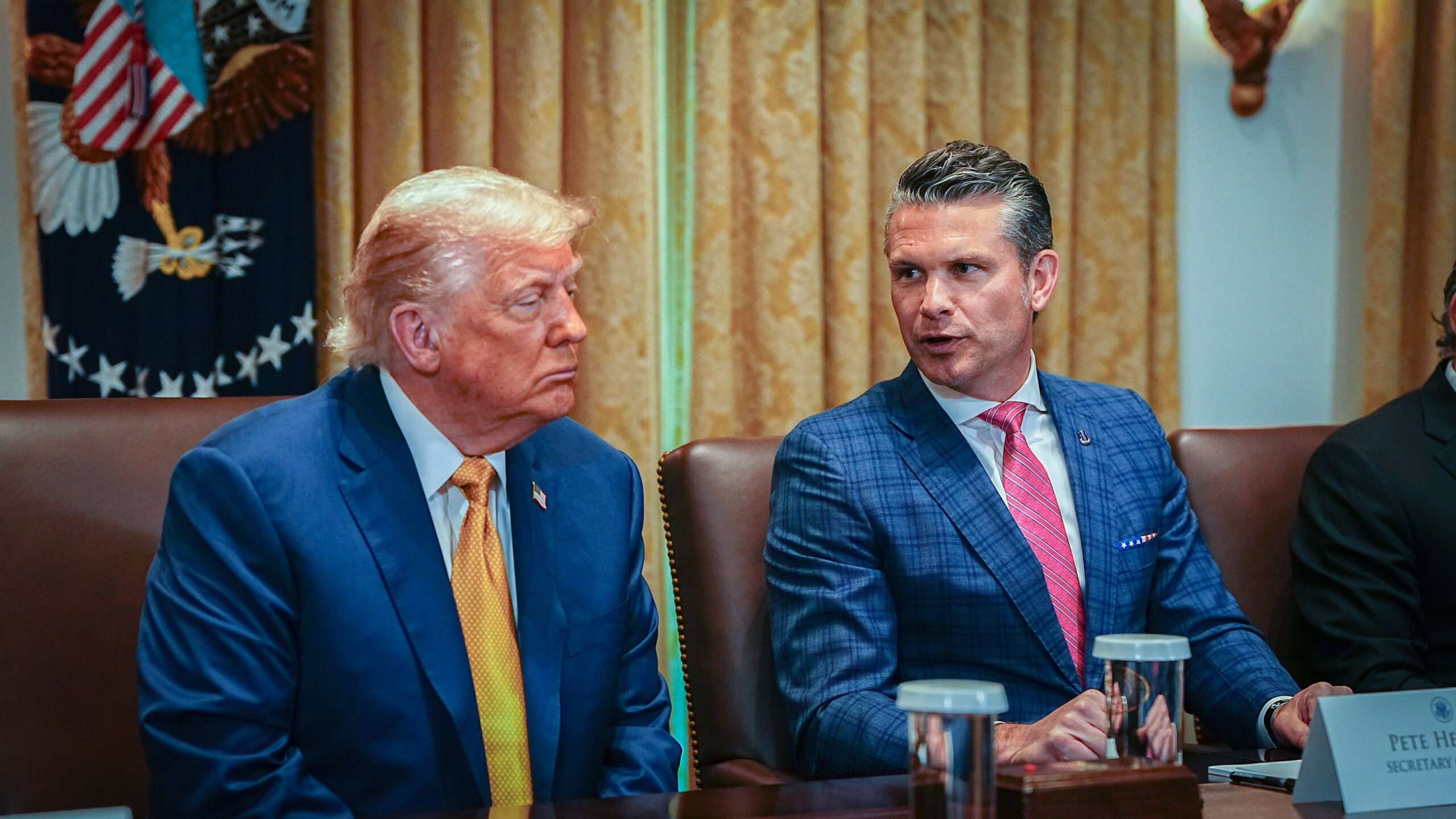
In a court victory the Trump administration effectively handed to the plaintiff, a federal judge cited First Amendment concerns in slapping down the federal government’s designation of AI company Anthropic as a “supply chain risk to national security.” The company also won a due process claim. President Donald Trump and Secretary of Defense Pete Hegseth made clear their intent to punish the company for its ethical limitations on how its technology can be used when they banned federal agencies and contractors from doing business with Anthropic. The White House has been reminded that government officials can’t do that in the U.S.
You are reading The Rattler from J.D. Tuccille and Reason. Get more of J.D.’s commentary on government overreach and threats to everyday liberty.
When Private Ethics Meet Government Arrogance
Anthropic has a longstanding commitment to keeping the use of what the firm’s founders regard as potentially dangerous AI technology subject to ethical safeguards. The company restricts how its AI is used by all customers, including the U.S. military.
In a February press release, Anthropic CEO Dario Amodei detailed the points of disagreement between the company and the Trump administration. He emphasized his company’s position that “using these systems for mass domestic surveillance is incompatible with democratic values” and that “frontier AI systems are simply not reliable enough to power fully autonomous weapons. We will not knowingly provide a product that puts America’s warfighters and civilians at risk.” He added that Anthropic has turned away large contracts with companies linked to the Chinese Communist Party because of ethical concerns and that similar considerations apply to all potential partners, including the U.S. government.
In response, President Trump raged on Truth Social that “THE UNITED STATES OF AMERICA WILL NEVER ALLOW A RADICAL LEFT, WOKE COMPANY TO DICTATE HOW OUR GREAT MILITARY FIGHTS AND WINS WARS!” He added, “I am directing EVERY Federal Agency in the United States Government to IMMEDIATELY CEASE all use of Anthropic’s technology.”
Likewise, Hegseth objected on X that Anthropic and Amodei”have chosen duplicity. Cloaked in the sanctimonious rhetoric of ‘effective altruism,’ they have attempted to strong-arm the United States military into submission.” He added that “the Department of War must have full, unrestricted access to Anthropic’s models for every LAWFUL purpose in defense of the Republic” and until that time “no contractor, supplier, or partner that does business with the United States military may conduct any commercial activity with Anthropic.”
Agree or disagree with Anthropic’s positions, it’s clear the company has a corporate philosophy guiding how it allows its technology to be used. The administration doesn’t like those constraints, and rather than work within them or else find another vendor that places fewer restrictions on its products, the government sought to bludgeon the company into changing its policies.
Government officials in the U.S. aren’t allowed to do that.
‘Undisputed Facts’ Establish First and Fifth Amendment Violations
“The undisputed facts establish that Anthropic’s protected speech, on a matter of great public importance, was a substantial motivating factor for Defendants’ speech-chilling conduct, and that Defendants would not have taken the retaliatory action absent their desire to make an example of Anthropic for its public stance on the weighty issues at stake in the contracting dispute,” Judge Rita F. Lin of the U.S. District Court for the Northern District of California wrote last week in her decision. “Agency Defendants began complying with the Presidential Directive—or in the case of [the Department of Defense], began complying with the Supply Chain Designation—before Anthropic had been provided with any notice or opportunity to challenge the decisions” and therefore “Anthropic has shown that the Agency Defendants’ actions violate due process.”
Lin noted that the government is free to choose any AI vendor it wishes. What the it can’t do is punish companies that place limitations on the use of their products and embrace philosophies at odds with those of officials: “The empty invocation of national security is not a blank check to punish and retaliate against government critics.”
Lin entered summary judgments for Anthropic’s First Amendment and Fifth Amendment claims. In the order of final relief, the government is “enjoined from implementing, enforcing, or giving effect to the Challenged Actions.”
Lin also caught the administration abusing government processes by designating Anthropic as a “supply chain risk to national security” even as it continued to negotiate with the company. “Defendants do not submit any evidence explaining why the government would seek to collaborate on these types of projects with a company believed to pose an intolerable national security risk,” she commented.
Administration Officials ‘Have Not Even Tried To Hide’ Punishing Dissent
As the Foundation for Individual Rights and Expression pointed out in March, when legal proceedings began, “to contract with the government, and to avoid the supply chain risk designation that would undermine its ability to contract with and engage expressively with third parties, Anthropic must change its point of view and espouse its agreement with Department of Defense policy….The Secretary of Defense and other government officials involved in the designation have not even tried to hide that they are trying to put Anthropic out of business merely for its dissent, not for any actual supply chain risk.”
That blatant weaponization of the power to restrict a company’s dealings not just with federal agencies unrelated to the dispute over military use, but also with any other firms that do business with the government, is not how free societies work. Private companies have no obligation to do business with the government at all, just as government agencies are free to deal with preferred vendors. Barrett Firearms, for example, has a decades-old policy against selling its products to government agencies in jurisdictions that don’t allow civilians to own large-bore guns. Anthropic’s restrictions are a continuation of the sort of ethical boundaries companies have long imposed.
When private companies place limitations on the use of their products, government officials are free to accept the restrictions, negotiate for terms to their taste, or walk away and do business with somebody else. As this court decision emphasizes, what officials can’t do is punish people in the private sector for embracing ethical standards at odds with those of politicians. Trump and Hegseth may not like it, but the First Amendment is on the side of businesses putting conditions on government contracts—or just telling officials to take a hike. Perhaps more private firms should do exactly that.






Leave a comment