
3 reasons to cancel this year’s 3.6 percent Social Security boost
 adminUpdated 2 hours Ago2 Mins read
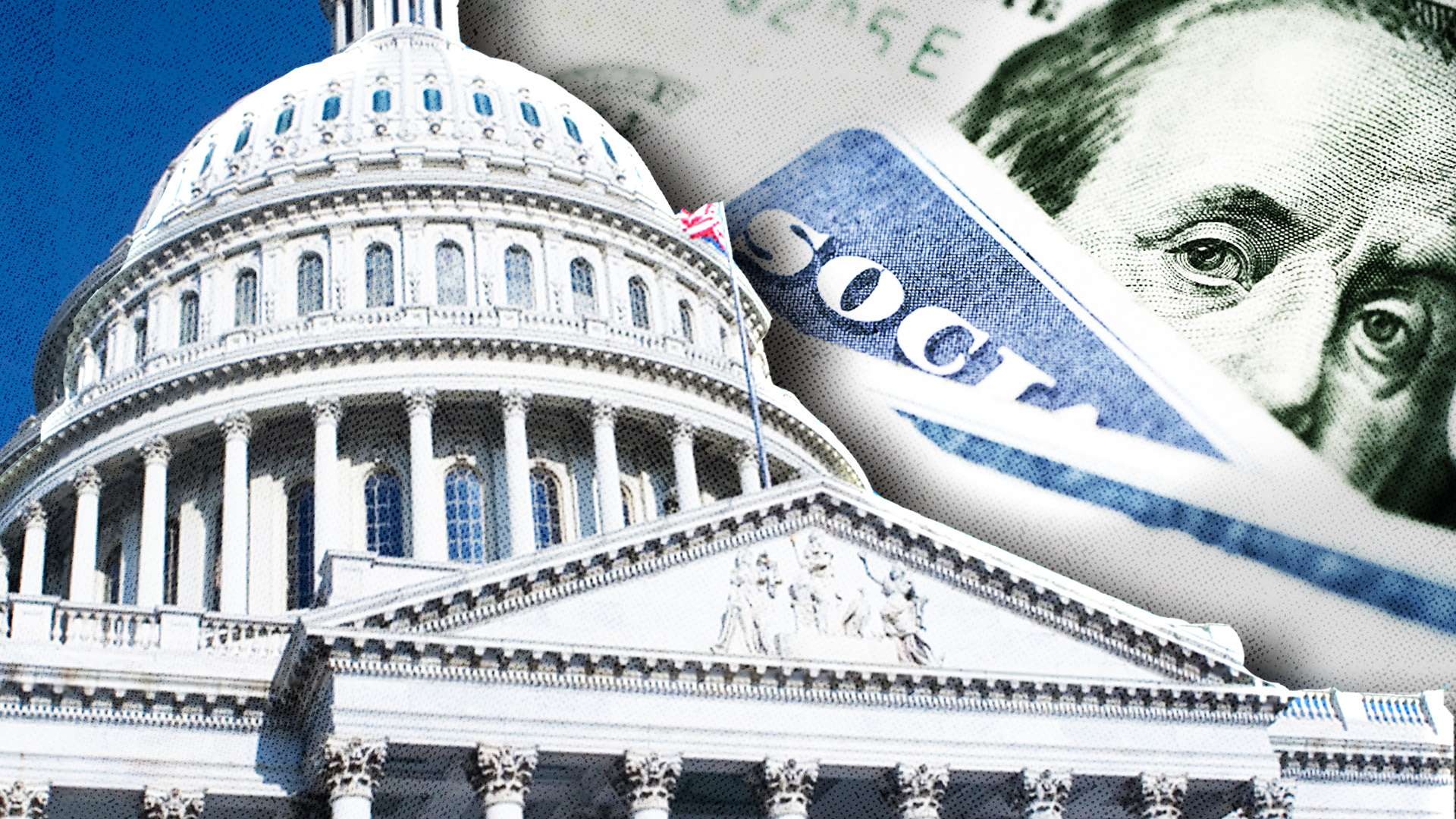
Social Security is racing towards insolvency because the program pays out more in benefits to retirees than it collects in taxes from working Americans.
Handing out even more generous benefits will make that situation worse. Yet that is exactly what the trustees who run Social Security are planning to do: Retirees will get a 3.6 percent cost-of-living adjustment (COLA) next year. That increase is 0.8 percentage points higher than last year’s, and it is 0.9 percentage points higher than what Social Security was expecting to pay.
The Social Security trustees are doing what the law requires during a time of high inflation. That’s why Congress ought to intervene here.
It should cancel the COLA.
No, this isn’t a demand that lawmakers stick it to America’s retirees. It’s an appeal for some fiscal common sense. There are three good reasons to cancel this year’s COLA.
First: Handing out higher benefits to wealthy retirees simply doesn’t make sense when Social Security is trending towards insolvency.
As the Committee for a Responsible Federal Budget notes, the announced COLA would be a $900 increase in benefits for the average retired household—but some retirees could receive as much as $3,600 more.
Paying generous benefits to wealthy households is the main reason Social Security is facing insolvency in the first place. A program originally intended to keep seniors from falling into poverty has become a huge wealth-transfer scheme that overwhelmingly benefits those who don’t need the handouts. The COLA doubles down on this flaw.
Second: What about the workers who are paying for those lavish benefits? Wages have risen by 3 percent, on average, over the past year. Those pay increases have already been outpaced by inflation, which is up 3.7 percent in the past 12 months.
You’ll often hear retirees talk about how they are living on a “fixed income,” but the math simply doesn’t bear this out. Social Security beneficiaries will get a COLA that is larger than the average pay increase for the workers who are funding the COLA. Retirees are protected from the impact of inflation while younger Americans must deal with inflation and finance that protection for the elderly. That’s crazy.
Third: Cutting the COLA could kick-start a conversation about how to solve Social Security’s looming insolvency. The Social Security trustees estimate that an across-the-board cut of about 22 percent will be necessary in 2032. Eliminating COLAs won’t meaningfully change that arithmetic, but it would change the conversation—which has for too long been dominated by politicians promising seniors that nothing needs to change. That’s wrong—and the sooner that becomes apparent, the better off the political system will be.
If eliminating the COLA is too radical a change, Congress should instead change how the trustees calculate the annual increase.
Currently, the COLA is based on one particular measure of inflation: the Consumer Price Index for Urban Wage Earners and Clerical Workers, otherwise known as CPI-W. This is a relatively narrow index that reflects the spending habits of only about one-third of all Americans, as Romina Boccia points out in her newletter, The Debt Dispatch.
Instead, Boccia suggests using the Chained Consumer Price Index for All Urban Consumers, or CPI-U, which covers about 93 percent of all Americans and is generally regarded as a better measure of the rising cost of living. Other parts of the federal government already use CPI-U to update such things as tax brackets.
If Congress simply changed how Social Security’s COLA was calculated, it could close 12 percent of the program’s long-term shortfall. And while some retirees would see smaller COLAs as a result, the result would more closely match those increases to inflation.
Social Security’s COLA reflects many of the fundamental flaws with America’s old-age entitlement program. Like Social Security as a whole, it is too generous to the rich, too costly to the taxpayers, and too unfair to younger, poorer workers.








Leave a comment