
Opinion | Adam Hamilton Wins: How Kansas Finally Elected a Democratic Senator
 adminUpdated 2 hours Ago3 Mins read

Blue Kansas? Really?! Yes.
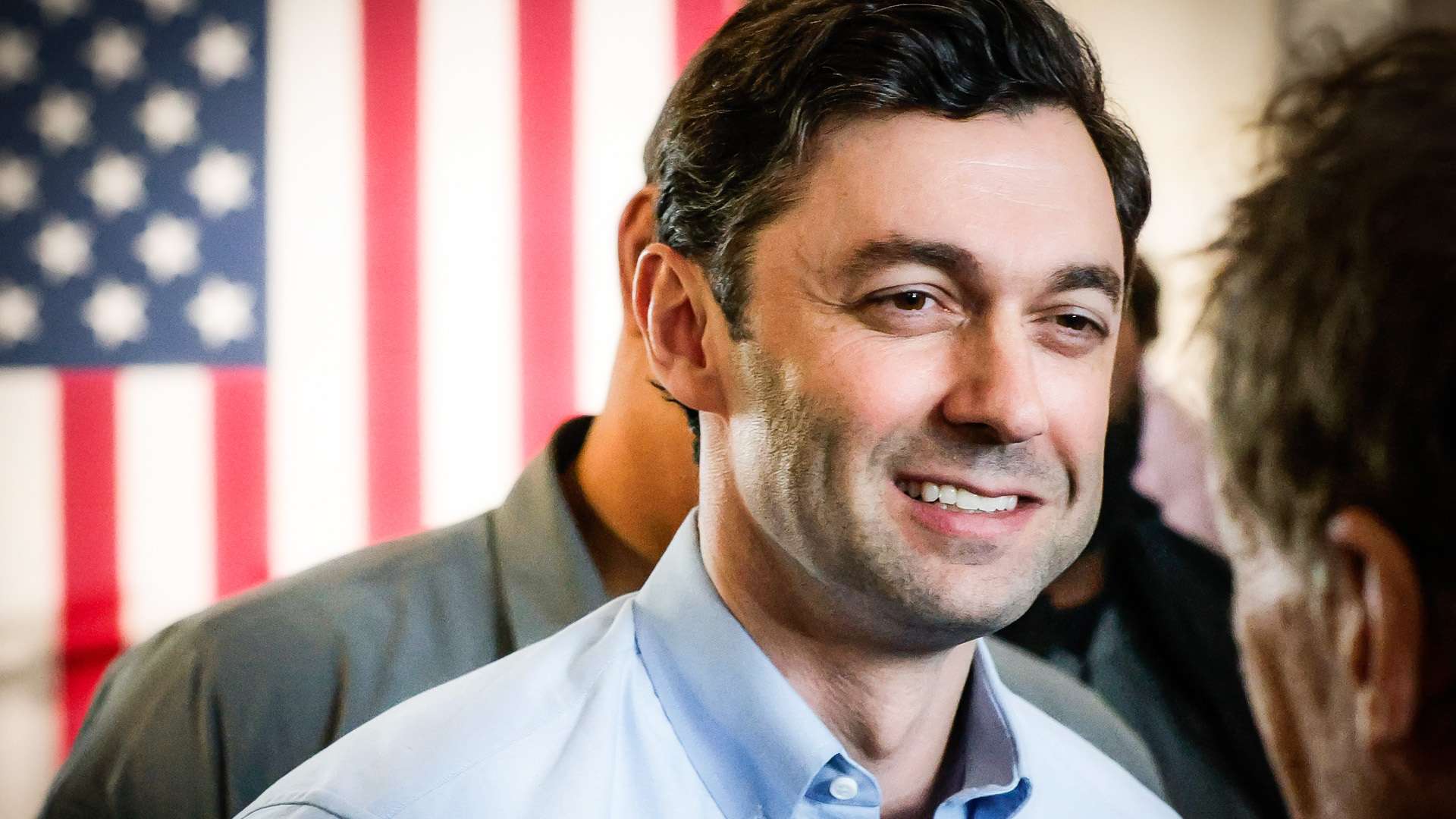
Remarkably, Adam Hamilton’s victory over the incumbent Republican senator, Roger Marshall, became not only possible but likely as Election Day neared, even though the last time a Democrat won a Senate election in Kansas was 1932, in Franklin Roosevelt’s Great Depression landslide.
True, Kansas has elected Democratic governors and has one now. And, yes, the collapse of President Trump’s popularity and the standing of the party that bows to him played a big role in this result.
But Mr. Hamilton would not have won without, well, Mr. Hamilton. His specific shade of blue — resolutely critical of the president and his lack of “decency,” but also religious, moderate and open to all — enabled him to entice converts. It will be a tempting model in other places Democrats have long written off.
Mr. Hamilton, the pastor of the largest Methodist church in the country, conveyed a happy warrior vibe, his communication skills honed by decades in the pulpit. His comfort with Republican voters came naturally: He notes that about a third of his congregation identifies with the G.O.P., as Mr. Hamilton had at times before this election.
In Mr. Marshall, he was blessed with a weak incumbent. The New York Times reported in September that Mr. Marshall, as an obstetrician-gynecologist, had sued more than 700 patients with outstanding bills, which became the subject of a tough Hamilton ad.
These dynamics played out amid a broad farm state rebellion against Mr. Trump’s tariffs and his decision to go to war with Iran. Foreign countries’ retaliation against tariffs cut off important markets for farmers, who have been hit hard by rising diesel and fertilizer prices. The result: Democrats discovered this year that they can make inroads in political terrain long seen as hostile.
In 2018, another anti-Trump midterm election year, Democrats found they could reach across old divides by nominating military and national security veterans — particularly women such as Abigail Spanberger and Mikie Sherrill, now the governors of, respectively, Virginia and New Jersey. This year, they sent a message of openness to religious voters with candidates such as Mr. Hamilton and Texas’ James Talarico. Both parried critics on the religious right by speaking about the moral demands of Christianity, particularly on behalf of the poor.
What will that mean when Mr. Hamilton enters the Senate? He will probably make common cause with senators such as Raphael Warnock, a fellow minister, and pragmatic Democrats such as Chris Coons and Tim Kaine; he mentioned these three when I spoke to him in September. He has said that tackling big issues such as the deficit and Social Security will require Republicans and Democrats to work together.
“The Gospel isn’t just about a personal faith,” he said. “It’s about the call to be in the world.”
I reached Mr. Hamilton by phone on Election Day and asked him what those words meant for the kind of senator he’d like to be.
“I realized something this morning,” he replied. “There were a few years in elementary school when I was bullied. And that has always made me want to speak up for people who are being bullied. So as a senator, I want to stand up for people who are being hurt by what’s happening in Washington on matters like immigration, health care, nutrition benefits and on our farms.”
Standing up to bullies is a calling fit for the moment. So is taking on some of the country’s big problems. His ecumenical approach might even produce results.
E.J. Dionne Jr., a contributing Opinion writer, is the author of “Why Americans Hate Politics,” “Our Divided Political Heart,” “Why the Right Went Wrong” and, most recently, “100% Democracy,” with Miles Rapoport.
The Times is committed to publishing a diversity of letters to the editor. We’d like to hear what you think about this or any of our articles. Here are some tips. And here’s our email: letters@nytimes.com.
Follow the New York Times Opinion section on Facebook, Instagram, TikTok, Bluesky, WhatsApp and Threads.







Leave a comment