
No great shakes: the quest for palatable high-protein drinks | Food
 adminUpdated 10 hours Ago2 Mins read
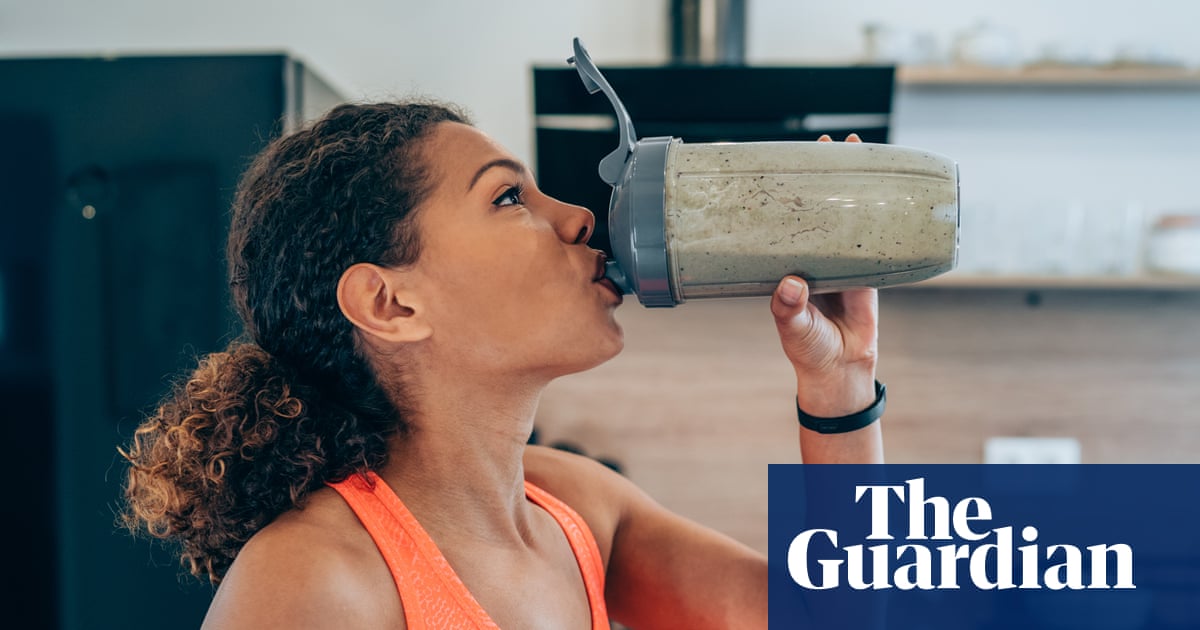
As someone who is not unlikely to be tasting wine at 10am on a Tuesday, I am clearly not best placed to offer health advice. But, for the purposes of this column, I can tell you that every day most adults need 0.75g protein for every kilogram of body weight. This is achievable through a wholefood diet (nuts, pulses, eggs), although some people, namely athletes, supplement that with protein powders to support really quite profound levels of exertion.
In case it has escaped your notice, protein is a big deal right now, and products reformulated with added protein are popping up all over the place; it’s a phenomenon linked to the rising popularity of weight-loss drugs. Trouble is, they’re marketed at everyone, and it could be very easy to feel that you’re cheating yourself if you don’t opt for these enhanced versions of ordinary products, which in drinks terms range from protein iced coffee to protein smoothies, protein sodas and even protein beers.
There aren’t many of us who really need protein drinks, though – “you’d really benefit from a non-alcoholic protein beer,” said no dietician ever. In September, however, the world’s largest brewer, AB InBev, announced that it would be piloting Spaten Pro, an alcohol-free beer enhanced with 10g protein per can (75% of which is hydrolysed whey protein and the rest hydrolysed collagen), in Brazil. Protein brews have so far stayed niche in the UK beer market – Lifted, for instance, is a brand marketed at iron-pumping bros, and is also enhanced with 10g (pea) protein per can.
I tasted a few of these drinks feeling dubious about any health claims, although, as ever, my brief was to assess flavour. And my scepticism was supported by a really quite grim-tasting group of beverages. Their producers love to bandy a buzzword – variously, “vegan”, “no added sugar”, “low calorie”, etc – and all promise to be sugar-free while at the same time sporting an intensely sweet flavour profile at the hands of, variously, stevia, sucralose, agave nectar and, at best (in the case of Naked’s Protein Machine Pineapple and Mango), an awful lot of blended tropical fruit. I can’t shake the feeling that these companies are feeding people’s sweet tooth under the guise of doing good.
So where does the added protein come from? In the Naked smoothie and Feisty, a premium protein soda, it is hydrolysed pea protein, meaning that pea protein powder has undergone hydrolysis (which breaks the protein into smaller peptides – essentially, it has been pre-digested) to avoid the “chalkiness” of trad protein shakes. Vieve’s protein waters contain, it says, “a unique collagen protein peptide formula which is rapidly digested by the body”, meanwhile Perfect Ted’s Matcha Protein Latte relies on good old-fashioned milk powder. These are thick, highly formulated, heavily processed drinks that have sent me running back to wholefoods (nuts! pulses! eggs!) – and 10am wine tastings, thank you very much.
Four high-protein drinks to test the water with
Naked Machine Protein Pineapple and Mango £4.50 (750ml) Ocado. A muscly, thickened smoothie; note that one serving is one-third of a bottle.
Vieve Watermelon Protein Water £2.59 (500ml) Holland & Barrett. Extremely sweet and with an unconvincing watermelon flavour, but the most thirst-quenching of the entire bunch.
Perfect Ted Protein Matcha Latte White Chocolate £2.40 (250ml) Tesco. This is 18g protein, 12.75g sugar and 250ml horrid.
Feisty White Peach and Nectarine £2.19 (330ml) Wholefoods. White grape and apple concentrates plus stevia leaf give this heavy-protein soda a syrupy finish.






Leave a comment