
Participating in art and culture has measurable benefits on our wellbeing | Art
 adminUpdated 21 minutes Ago1 Mins read
Reading Emma Brockes’ response to a recent Art Fund study, I felt the significance of the research may have been lost in its packaging (Art is good for your health? Allow me a quick eyeroll, 5 November).
The language of “prescribing” art has its roots in social prescribing. I understand why this might make people uncomfortable, particularly if it suggests that culture is being instrumentalised rather than enjoyed for its own sake.
Yet these findings matter for two reasons. First, they provide evidence for what many of us know intuitively: that participating in and experiencing art and culture are not only enriching, but also have measurable benefits for our health and wellbeing.
Second, with budgets for culture under pressure, this evidence strengthens our case for public investment. Surely that’s another argument for keeping our national museums free and ensuring everyone can access their wellbeing benefits.
Rather than viewing this study cynically, we should recognise the opportunities it presents. As Daisy Fancourt, who is quoted in Brockes’ article, explores in her excellent and insightful book Art Cure, the evidence extends far beyond visiting galleries and museums.
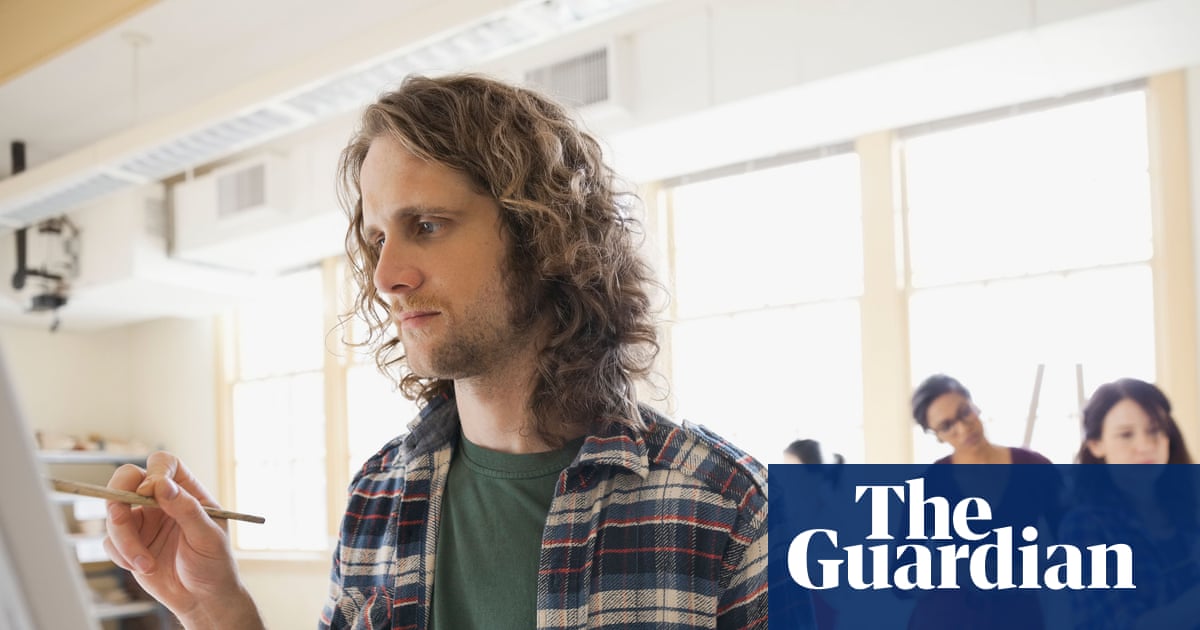
In the London borough of Ealing, we’re piloting a free creative health programme bringing residents and council staff together through activities ranging from clay workshops to Islamic geometric drawing. Almost all participants have reported improved wellbeing following these sessions. But beyond the evaluation, conversations have shown me how even an hour spent being creative can positively change the course of someone’s day, while regular participation can have a lasting impact on their lives.
Art shouldn’t have to justify its existence through its health benefits. But understanding those benefits strengthens the case for everyone to experience, participate in and benefit from art and culture.
And if the thought of visiting a museum makes Brockes’ eyes roll, I’d happily invite her to one of our workshops. She might leave having learned a new skill, but I suspect she’d take away rather more than that.
William Rees
Culture officer, Ealing council









Leave a comment