
DHS is spending $1 billion on ‘autonomous’ border surveillance towers
 adminUpdated 4 hours Ago3 Mins read
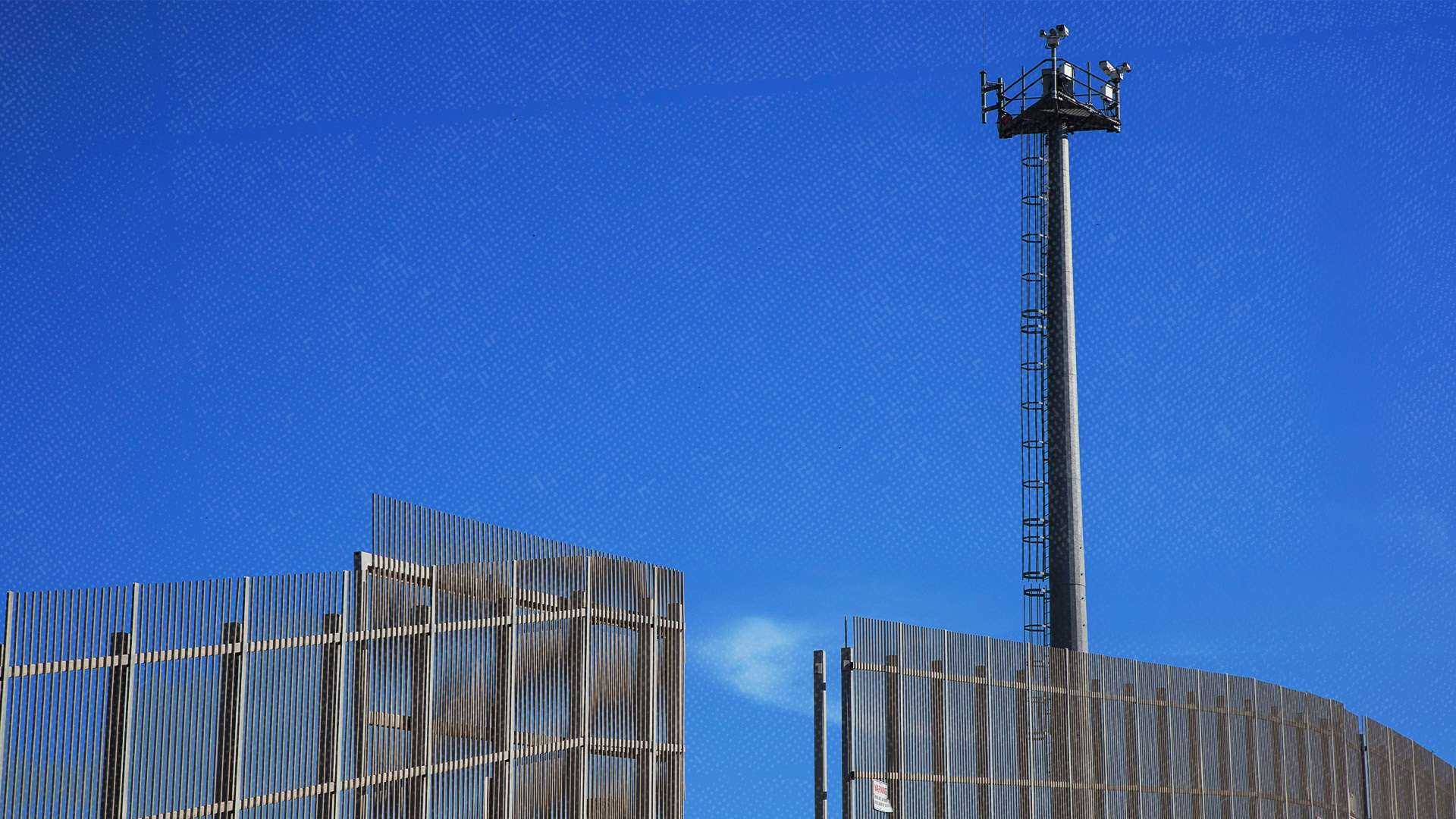
The Department of Homeland Security (DHS) plans to nearly triple the number of surveillance towers along U.S. borders over the next decade, according to a federal audit.
An annual Government Accountability Office (GAO) assessment released this month on the DHS’ acquisition oversight and risk management reported that the DHS plans to increase its “Integrated Surveillance Towers Program” from the 830 current towers to 2,300 by the year 2034.
In addition to more funding for construction of a physical border wall, the One Big Beautiful Bill Act (OBBA), signed into law by President Donald Trump on July 4, 2025, included over $6 billion for border surveillance technology. Around $1 billion of that will be spent deploying “autonomous” surveillance towers that use artificial intelligence (AI), the GAO report said.
“It’s a smart wall. It’s not just a barrier,” Customs and Border Protection (CBP) Commissioner Rodney Scott said during recent congressional testimony. “It maximizes the use of our most valuable resource, which is our agents.”
However, civil rights groups and privacy advocates say these new towers are unproven, unaccountable, and that the program has been a failure for decades.
Dave Maass, the director of investigations at the Electronic Frontier Foundation, a digital civil liberties and privacy nonprofit, has tracked the proliferation of surveillance technology near U.S. borders for several years. He’s found that the CBP uses not only surveillance towers but drones, aerostats (or blimps), surveillance vehicles, ground sensors, trail cameras, and license plate readers to monitor activity near the border.
But Maass says studies have never been able to show the efficacy of the surveillance towers, either for situational awareness or deterring illegal immigration. Furthermore, he says the federal government has been unsuccessfully rolling out, then shelving, ambitious surveillance initiatives along the border for decades.
“The strategy they’re talking about now is the same strategy they’ve had since the 1990s, and it’s been a failure since the 1990s,” Maass says.
The federal government’s first attempt was the Integrated Surveillance and Intelligence System (ISIS), launched in 1997, which cost nearly $500 million before it was folded into the “America’s Shield Initiative” (ASI) in 2004. ASI was followed by Secure Border Initiative Network (SBInet), which was supposed to build a “virtual border fence” of integrated surveillance technology. But the DHS pulled the plug on the problem-plagued project in 2011, after spending $3 billion.
“You can see this very clear pattern that’s emerged,” Maass says, “where CBP will roll out a new program, they’ll give it a ‘cool sounding’ name, and then, three to five years later, either the inspector general, the GAO, or House Oversight [Committee] will take an actual look at it and find that it’s wasteful, it’s ineffective, it’s not delivering on its promise, and the contractors are bilking the government.”
The OBBA requires that all the new surveillance towers have “autonomous capabilities.” The Intercept reported earlier this month that the only company in a position to immediately fulfill that contract requirement was Anduril, a defense contractor founded by Palmer Luckey, a longtime Trump supporter who has hosted multiple fundraisers for the president.
Even if the towers are ineffective, though, they’re still a real privacy threat to the people who live near them. According to the American Civil Liberties Union (ACLU), 15 million residents of the Southwest border region live under the umbrella of the CBP’s operations and surveillance.
“The number one group of people being surveilled by this technology are people who live at the border,” Maass says. “It’s not migrants, it’s not the cartels, it’s people who live there. And if you go down to the border, you will see these surveillance towers, even the Anduril ones, literally in people’s backyards.”
In public comments opposing a 2021 plan to install surveillance towers in Vermont, the ACLU of Vermont wrote that, “Anyone who doubts the impact that surveillance towers would have on Vermont communities can look to other border regions where similar towers – accompanied by Border Patrol checkpoints, roving patrol stops, surveillance drones, and other increasingly intrusive measures – have profoundly deteriorated quality of life and resulted in widespread abuses, to the point that those communities are virtually unrecognizable.”
And these towers are being installed before anyone has a chance to find out what the government or Anduril is doing with all the data that it’s vacuuming up. As Reason‘s J.D. Tuccille recently wrote, new government surveillance methods don’t tend to stay confined to their original purpose or targets.
“Even committed border warriors who favor stronger enforcement of immigration rules should have qualms about the government’s deployment of surveillance-state capabilities,” Tuccille wrote. “Tools and techniques adopted for one purpose are inevitably redirected to others, as the government is doing by targeting protesters with technology originally intended for immigration control.”
Anduril did not immediately respond to a request for comment.












Leave a comment