
The bond market is unhappy with the Fed’s unwillingness to fight inflation
 adminUpdated 1 hour Ago3 Mins read
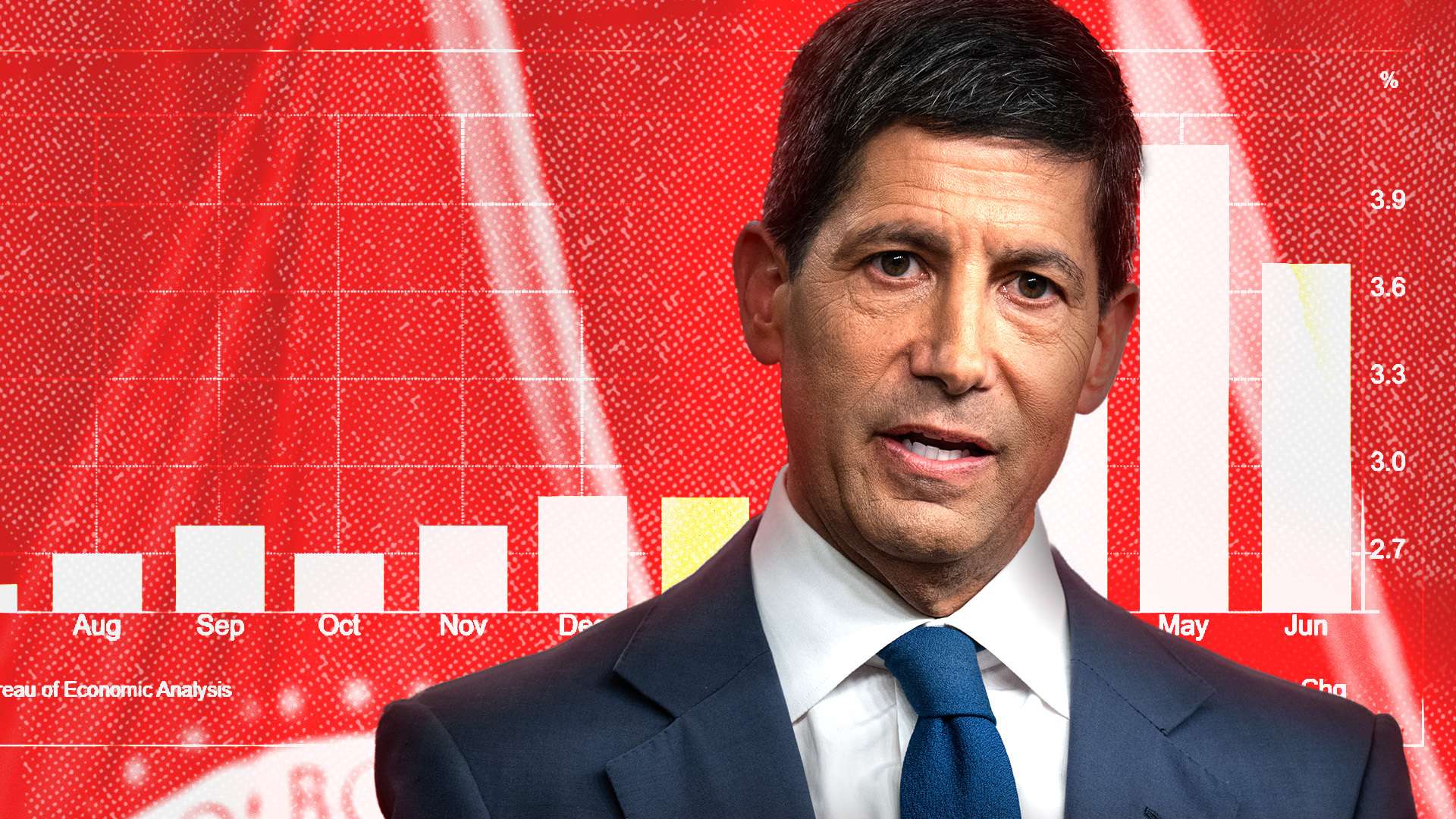
The Federal Reserve has served different roles at different times, but since 1977, the central bank has operated with a dual mandate handed down by Congress: Maximize employment and limit inflation.
Employment isn’t much of a problem these days—the unemployment rate has trended upward a bit lately, but it isn’t setting off any alarms. Inflation, on the other hand, has been a stubborn and persistent thief of Americans’ wages and savings.
The consumer price index (CPI), the most commonly used inflation measure, is up 3.5 percent over the past year. The personal consumption expenditure (PCE) index, which the Federal Reserve prefers over the CPI, is up 3.7 percent. Both have remained above the Federal Reserve’s “target” rate of 2 percent since early 2021.
High inflation is probably being caused by a bunch of different things: strong consumer spending, rising labor costs, wars, tariffs, and the federal government’s staggering pile of national debt, to name a few. The Federal Reserve can’t control much of that, but it can control how it responds to the situation.
On Wednesday, the central bank responded by doing nothing, again. The Federal Reserve’s Federal Open Market Committee voted to hold interest rates steady at 3.5 percent to 3.75 percent, the same levels it has maintained since January. Three of the 12 members of the board voted in favor of a slight increase in interest rates. (Higher interest rates make it more expensive to borrow money, which tends to reduce spending, incentivize saving, and theoretically eases inflation.)
Asked about that decision at a news conference on Wednesday afternoon, new Federal Reserve Chair Kevin Warsh insisted that the central bank was serious about combatting inflation—even as he struggled to articulate how that could happen.
But if the Federal Reserve won’t push interest rates higher, the bond market seems ready to do it. Yields on long-term Treasury bonds jumped in the wake of the Federal Reserve’s meeting. On Thursday, the 30-year Treasury bond hit its highest level since 2007.
“Analysts pointed to the fact that Fed Chairman Kevin Warsh failed to give sufficient answers in the press conference about the reasons for rates being left on hold,” The Wall Street Journal reported.
Or, if you prefer a more vivid take, here’s how investment analyst Jon Hilsenrath summed it up, according to CNBC: “Warsh didn’t convey the message clearly or explicitly, and the bond market puked on him.”
“It should be obvious by now that all Warsh is willing to do to lower inflation to 2% is talk about how committed he is to achieving that goal,” wrote investor Peter Schiff in a post on X. “But he does not want to actually do anything to lower inflation, as he is afraid of adverse consequences for the markets and the economy.”
As Schiff suggests, higher interest rates bring their own economic pain, of course. It means higher borrowing costs for consumers, businesses, and the government. That means more expensive mortgages and car loans, and a national debt that consumes a growing share of the annual budget.
But if the Federal Reserve won’t raise interest rates to combat inflation, is it just admitting that inflation has won? At the very least, it seems like Warsh is letting the Federal Reserve take a backseat to other indicators in the market.
Interest rates set by the Federal Reserve are “increasingly out of touch with market realities,” said Steve Swedberg, a finance and monetary policy analyst for the Competitive Enterprise Institute, in a statement. “If the Fed continues to maintain rates that are out of step with broader credit markets while consumer spending remains resilient, inflation will keep hitting Americans where it hurts most: their wallets.”
There may indeed be merit to Warsh’s more hands-off approach with the Federal Reserve—if that is what he’s trying to accomplish. A world where interest rates are determined by a variety of different factors is probably better than one where a single, centralized institution is setting them.
But if that’s the direction Warsh wants to go, he needs to more clearly articulate that. The Federal Reserve’s mandate is to combat inflation, and right now the market is signaling that it is doing a bad job at that.








Leave a comment