
The Guardian view on Grand Theft Auto VI: a game that makes players think twice | Editorial
 adminUpdated 1 hour Ago2 Mins read

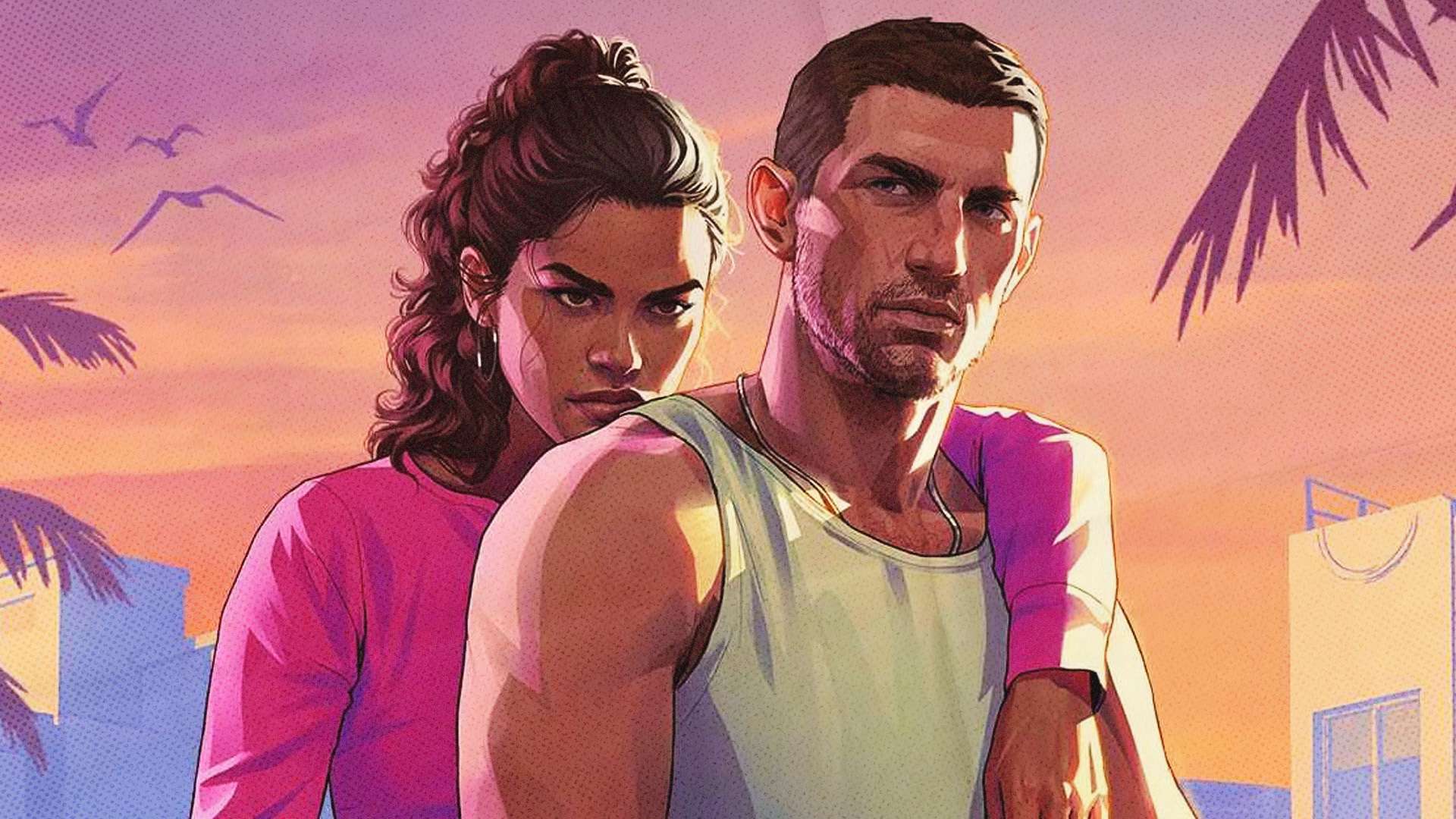
The biggest global cultural event of the year may not be something that millions of people watch together but somewhere that millions of people venture separately. In the video game Grand Theft Auto VI, players inhabit a fictionalised America through the eyes of two lovers turned cons in a rags-to-riches crime epic. On Thursday, when the game was released, workers called in sick and students skipped lectures to play at home. Such is GTA VI’s appeal that it is forecast to rake in billions of dollars within months.
The game has been billed as a satire of American capitalism, and it is undoubtedly a landmark in interactive storytelling and art. The commercial success of its previous titles has rivalled that of Hollywood blockbusters. Playing GTA VI, as the Guardian’s video games editor observes, is like losing yourself in a doorstop novel, with hours of solitary immersion in a vividly conjured place – not a facsimile of modern Miami, but an interpretation, almost the size of Manchester, rendered with astonishing precision by the artists who designed, wrote, coded and soundtracked its virtual world.
The video game portrays a country awash with vice and hypocrisy, where the American dream is alive and well – provided you trample on someone else to achieve it. There is no way to win if you play by the rules. In the game’s main hub, Vice City, lawyers and police are scarcely more honest than drug dealers and thieves, while conspiracy theorists, crypto scammers and narcissistic influencers abound. But it would be wrong to think that the game simply revels in corruption. By giving its two main characters, Jason and Lucia, histories and vulnerabilities, the game asks players to sympathise with people who are both society’s victims and its perpetrators.
The GTA series has long faced criticism for its violence and casual misogyny, treating women as sex objects or punchlines. GTA VI marks a shift. Lucia, its first female lead, confronts the sexism around her, while other women emerge as characters in their own right. Even the violence, reviews suggest, feels less gratuitous. The game portrays a Trumpian America where wealth, spectacle and criminality blend together. But its satire no longer relies quite so heavily on making women its targets.
Why is one of the most culturally important depictions of the US a fantasy in which the American dream can be pursued most freely by breaking the law? This is a question that hangs over GTA VI. It was created by a team of 5,000 people, many of whom are based outside the US (Rockstar, the company behind the game, is headquartered in Scotland). This is an America created largely by outsiders. But then, as one of Rockstar’s lead developers Rob Nelson said: “We’re all outsiders to this version of America.”
Mr Nelson thinks that the game’s real innovation may not be the scale of the world that Rockstar has built, but the morally complex relationship that its developers have created between the player and this imagined world. Reviewers remark on behaving more considerately while playing the game, and how it rewards attentiveness in some of its fictional relationships and encourages players to talk their way out of trouble rather than immediately reaching for a gun. After decades of allowing players to behave badly online with impunity, GTA VI doesn’t necessarily want them to be good, but it asks them to think twice about being bad.
after newsletter promotion
-
Do you have an opinion on the issues raised in this article? If you would like to submit a response of up to 300 words by email to be considered for publication in our letters section, please click here.








Leave a comment