
A bitter pill: are you wasting your money on supplements? | Health & wellbeing
 adminUpdated 1 hour Ago7 Mins read
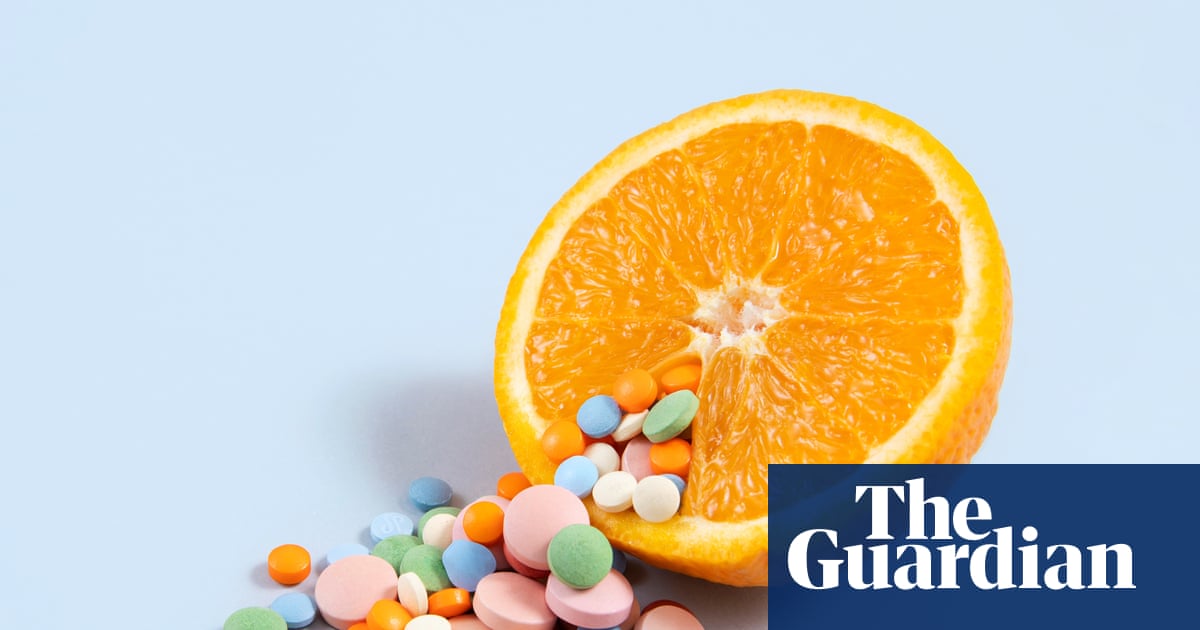
Multivitamins
Multivitamins are one of the most commonly used supplements worldwide – but for most people, there isn’t evidence of a huge benefit.
One of the largest trials to date found a small improvement in memory among older adults taking a daily multivitamin. But the difference was tiny, amounting to roughly a quarter of a word in a 20-word recall test. Other outcomes such as mood, immune function and overall wellbeing have generally shown little to no improvement in people who are already meeting their nutritional needs through food.
That doesn’t mean multivitamins are pointless. They may be helpful during life stages with higher nutrient requirements, such as pregnancy, or when intake or absorption is lower. But multivitamins are not standardised, so check with your doctor or dietitian what’s best for you.
Your best return on investment will always come from real food. Aim to include fruits, vegetables, whole grains, beans, nuts, seeds, dairy (or fortified alternatives) and protein-rich foods every day in order to give your body a good blend of the vitamins, minerals, fibre and plant compounds that supplements can’t fully replicate.
Creatine
Creatine has been getting a lot of hype lately, even though it’s been around for years. It’s a compound that your body naturally produces, though you can also get very small amounts from red meat and fish.
Creatine is stored in your muscles, where it helps provide energy during short bursts of high-intensity exercise. The effects of taking extra creatine are not dramatic, but when combined with training well, eating enough protein and prioritising recovery, it may help you modestly lift heavier weights or sprint better.
Unlike many nutrients, where dietary changes can often achieve similar results to supplementation, there isn’t a practical food-first way to maximise creatine stores.
Collagen
Collagen is the main structural protein in skin, tendons and connective tissue, and production starts to gradually decline from your mid-20s.
Most collagen supplements come in the form of hydrolysed collagen peptides, meaning the protein has been broken down into smaller fragments that are easier to dissolve and digest. They are typically sold as powders that can be mixed into drinks or foods. Several randomised controlled trials suggest that taking these supplements daily for about three months may lead to small improvements in skin hydration and elasticity, particularly in women in their 40s and 50s.
Collagen supplements are also being studied for tendon and joint health, with some trials suggesting modest improvements. However, these are best seen as a potential edge for very specific groups, such as people with exercise-related joint injuries or those with higher training loads, rather than a magic fix or a replacement for food-first strategies.
Before thinking about supplements, it’s crucial to make sure you are eating enough protein overall, which for most people is about 30g per meal, to provide the amino acids needed for tissue repair and collagen production, including glycine and proline, alongside adequate vitamin C from fruit and vegetables, which is required for collagen synthesis.
Vitamin D
Our skin makes vitamin D from sunlight, but in the UK this only really works between late March and early October, when UVB is strong enough. Outside these months, even on bright or warm days, our exposure to the sun is too weak. This is why low vitamin D is more common in winter, and also more likely year-round in people with darker skin, older adults, those who cover their skin, and people who spend most of their time indoors.
There are food sources, but they’re limited and usually not enough on their own, which is why it’s recommended to supplement 10 micrograms (400 IU) daily during autumn and winter. This is mainly for bone health, supporting calcium absorption and reducing the risk of conditions such as rickets and osteomalacia. But more is not better – vitamin D is fat soluble and stored in the body, so avoid very high intakes as these can build up and may cause harm.
Magnesium
Magnesium supplements are getting a lot of attention for improving everything from sleep and muscle cramps to blood pressure and brain health, but the evidence is more underwhelming than the marketing. Most benefits are seen in people with low magnesium intake. This is relevant because the National Diet and Nutrition Survey shows that many people in the UK fall below recommended intakes, largely due to low consumption of nuts, seeds, legumes, whole grains and leafy green vegetables.
These foods, which are naturally high in magnesium, also contain other key nutrients from which we can benefit: fibre, healthy fats, vitamin E, or minerals such as iron.
Meeting your recommended allowance is easier than it might seem. For example, a bowl of porridge with pumpkin seeds or wholewheat pasta with chickpeas and spinach can provide almost half of your daily magnesium needs.
Electrolytes
Electrolyte supplements contain minerals such as sodium, chloride and potassium that help regulate fluid balance. They’re often marketed as a daily hydration essential, but for most people this isn’t supported by science.
In reality, our body tightly regulates electrolytes, particularly sodium, which we lose when we sweat. Outside situations involving significant fluid loss, such as long endurance exercise, heavy sweating or illness, most people maintain electrolyte balance through food and simply drinking enough water.
When sweating a lot, sodium and chloride are the main electrolytes we lose, and these can usually be replaced by adding salt to meals or drinks, which is far cheaper than supplements. As a rough guide, during heavy sweating, sodium losses are around the equivalent of 1g to 3g of salt per hour, which is roughly equivalent to between a couple of pinches and half a teaspoon.
Omega-3
In the UK, most people don’t meet the recommendation of at least one portion of oily fish per week, which contains vital omega-3s, including eicosapentaenoic Acid (EPA) and docosahexaenoic Acid (DHA), alongside protein, iodine, selenium and vitamin D. Good sources include mackerel, salmon, trout, sardines and anchovies.
We can also get omega-3s from plant sources, known as alpha-linolenic acid (ALA), but this is a less efficient way of meeting our needs, as conversion to EPA and DHA is limited. For people who don’t eat fish, algae-based omega-3 supplements can be a practical alternative. Check the label for adequate levels of EPA and DHA, aiming for about 250-500mg combined.
Ashwagandha
Ashwagandha is a herbal supplement with a long history in Ayurvedic medicine. The strongest evidence of any effectiveness relates to stress. People taking ashwagandha often report improvements in stress and sleep quality, alongside reductions in cortisol levels of about 10-30%.
But most people in these studies don’t have high cortisol levels to begin with. And because cortisol naturally rises and falls throughout the day and plays an important role in the body, it’s not clear whether lowering it when it’s already within a normal range has any meaningful long-term health benefit.
Before turning to supplements, it’s worth remembering that eating regular meals with enough protein and fibre helps provide steady fuel for the brain and body and supports more stable blood sugar levels, which can help combat energy dips, irritability and sudden pangs of “hanger”.
Fibre (psyllium husk or blends)
Fibre supplements can be useful in specific contexts, particularly for symptom management, with psyllium husk having good evidence for both constipation and diarrhoea, and modest improvements in cholesterol levels linked to heart health.
Outside these targeted uses, we tend to benefit more when we get fibre from a wide range of plant foods. Large observational studies, including data from the American Gut Project, have found eating 30 or more different plant foods a week is associated with greater gut microbiome diversity.
This is probably because whole plant foods such as fruits, vegetables, nuts, seeds and whole grains provide fibre alongside a range of other compounds, including polyphenols, that aren’t present in isolated supplements. You don’t need to obsess over eating 30, as more research is needed to confirm this number. Just focus on eating as many plants as possible.
Iron
Iron is an essential mineral that’s most often low in menstruating women, endurance athletes and people following plant-based diets. It plays a key role in oxygen transport, energy production and cognitive function, so when levels are low, you can feel it.
That said, symptoms such as fatigue can be down to many different factors, so a blood test is essential, as more iron is not better. Higher intakes can cause gastrointestinal side effects such as constipation, nausea and abdominal discomfort, and in rare cases can contribute to iron overload.
Reduce your risk of deficiency by eating red meat, fish and poultry, and plant-based iron found in lentils, beans, tofu and fortified cereals. Iron from plants is less readily absorbed, but smart pairings with vitamin C-rich foods such as red peppers and kiwis can increase absorption by up to 300%. Think beans on toast with tomatoes, or overnight quinoa with strawberries.
How to build a balanced plate
Most of your needs over time can be covered by a simple repeating structure: one protein (for maintenance and repair); two different-coloured plants (for micronutrients and fibre); one fibre-rich starchy carb (for energy); two flavour boosters such as herbs and spices (for polyphenols); and one source of fat (for vitamin absorption). This framework helps you quickly sense-check whether a meal is broadly balanced, without needing to track, measure or optimise every detail.
Aim for protein variety across the week by rotating three to five sources – such as eggs, yoghurt or kefir, chicken or turkey, tofu or tempeh, fish, and beans or lentils – in your weekly shop. This also provides a balance of different vitamins, minerals and compounds.
Curate a colourful freezer because frozen fruit, vegetables and herbs are often cheaper, just as nutrient-dense and require zero prep. Think mango chunks stirred into yoghurt, edamame added to salads or rice bowls, raspberries on porridge, spinach blended into sauces, or mixed veg folded into egg fried grains.
Aim to try one new ingredient, recipe or meal combination each week. Small, repeated exposures to different foods is one of the simplest ways to naturally increase diversity in your diet and broaden your intake of micronutrients.
How Not to Take Supplements: A Dietitian’s Guide to Thriving on Real Food by Josie Porter is published by Ebury at £17.99. To support the Guardian, order your copy at guardianbookshop.com. Delivery charges may apply.






Leave a comment