
As U.S. starts ‘new’ Iran War, lawmakers want answers about deadly elementary school strike
 adminUpdated 1 hour Ago2 Mins read
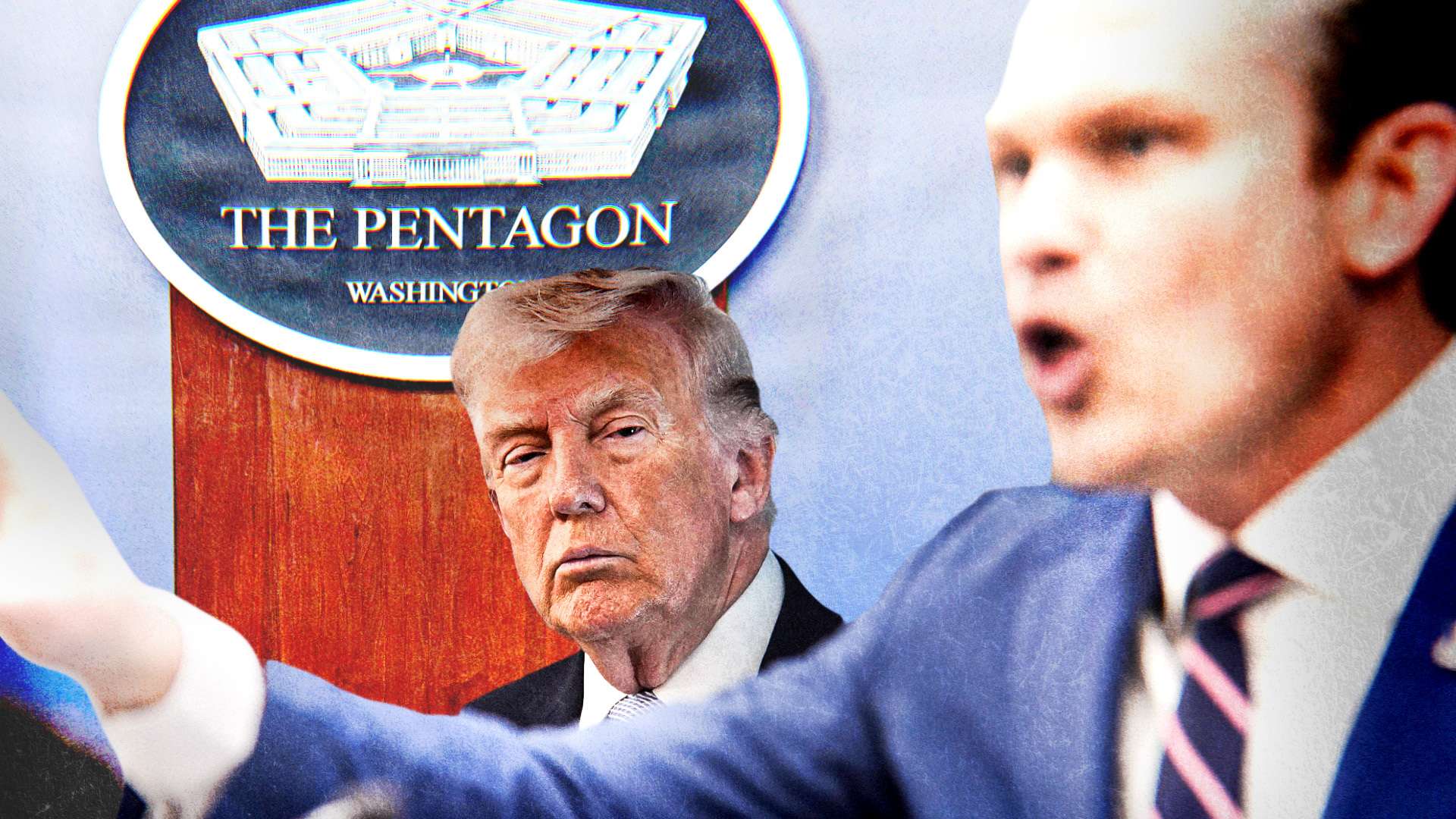
As the U.S. begins a “new war“ against Iran, lawmakers want to know: Why did a Tomahawk cruise missile strike an elementary school in Minab, reportedly killing more than 100 Iranian schoolchildren?
Since the February 28 deadly missile attack on the school, calls for transparency surrounding the strike have largely quieted, as national attention remains focused on each new round of strikes and control over the Strait of Hormuz.
In late March, a group of lawmakers requested a bipartisan investigation of the incident, but the government has released little to no information about the strike. On Monday, a group of 25 Senate Democrats signed onto a letter addressed to Defense Secretary Pete Hegseth and Adm. Brad Cooper, head of U.S. Central Command, demanding transparency about the investigation. The letter calls for the Defense Department to finalize the investigation into the strike, provide an unclassified version of the report to Congress, and submit a plan for corrective action no later than July 20.
“When a U.S. strike kills civilians, the Department owes Congress, the American people, and the victims’ families a clear accounting of what happened and a credible plan to prevent future failures,” the letter states. The Senate Armed Services Committee has also threatened to freeze Hegseth’s travel budget if the Pentagon does not release more details about the school bombing.
As Reason has noted, the Pentagon and President Donald Trump have provided few, and even contradictory, answers about the strike. In March, Trump claimed that the strike could have been carried out by Iran or “somebody else.”
On March 9, New York Times reporter Shawn McCreesh asked Trump why he was the only person suggesting that Iran obtained a Tomahawk and bombed its own school.
“Even your defense secretary wouldn’t say that,” McCreesh said. “Why are you the only person saying this?”
The president then said that he didn’t know “enough about it.”
“I think it’s something that I was told is under investigation, but Tomahawks are used by others, as you know,” he added. “Numerous other nations have Tomahawks. They buy them from us.”
So far, the more substantive updates about the investigation have all come from the press. On March 11, The New York Times reported that U.S. officials familiar with the preliminary inquiry found that the U.S. was responsible for the Tomahawk missile strike.
On March 18, Semafor reported that humans, not AI systems, were likely to blame, noting that “US officials failed to recognize subtle changes in satellite imagery.” According to more recent reporting from CNN, satellite imagery from 2013 showed the school and an Islamic Revolutionary Guard Corps base as being one compound, but updated images indicated that a fence separated the school from the base, and dozens of people were shown playing in the school courtyard in December 2025. The outlet reported that senior U.S. military commanders ignored warnings about outdated intelligence for the sake of expediency.
When asked about the lawmakers’ letter on Monday, a Pentagon official told Reuters that the investigation is “ongoing” and that the Pentagon does “not have any updates to announce at this time.”
Although Trump once remarked that bombing Iran would be a “little excursion,” the war has lasted 137 days and does not appear to be ending soon. As this unpopular war continues, it would be politically convenient for the Pentagon to suppress information about the strike and to hope the incident fades from national memory. However, lawmakers and the public must learn the truth and the full extent of the Pentagon’s involvement in the attack—not only for moral accountability, but also to prevent such an atrocity from happening again, especially as bombing Iran becomes a routine part of U.S. foreign policy.










Leave a comment