
As wildfires rage, the world is backsliding on climate action. This can’t go on | Bill McGuire
 adminUpdated 1 hour Ago3 Mins read
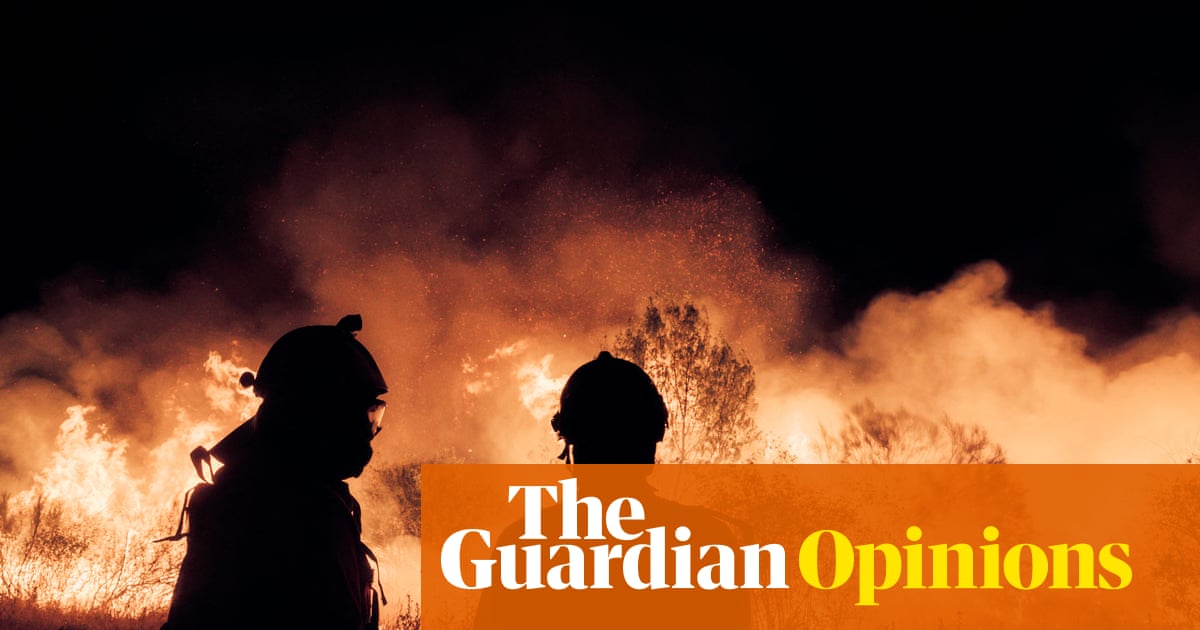
Such is the astonishing scale of the wildfires burning at the gates of Bordeaux and Madrid, that if they had happened 20 – even 10 – years back, they may well have shocked the world into taking action on the climate crisis. But like the proverbial frog in a pot of slowly heating water, we have become inured; not only to the ever more devastating impacts of climate breakdown, but increasingly to the actions needed to bring global heating to heel.
Even as more than 35,000 wildfires rage across the surface of our world, and as we continue to rewind our planet’s climate so it resembles hotter episodes from its distant past, governments and trading blocs are very deliberately turning away from climate action.
The latest evidence that we are not only doing too little but actually doing less as time goes by is provided by the climate action media platform, We Don’t Have Time. It reported last week that the 12 months to July this year saw the reversal across the world of 45 climate policies. The retreat on climate action is global, but Europe – previously seen as a leader in emissions reductions – is in the vanguard, weakening measures across the board, including in the areas of carbon pricing, methane emissions and the phasing out of petrol and diesel vehicles.
This isn’t yet an apocalyptic reversal of the majority of climate commitments, as the continuity of countless other climate policies testifies. We are, however, at an especially critical period: if we don’t want backsliding on climate action to continue, we have to act now.
We Don’t Have Time lays the blame squarely at the foot of lobbying by the fossil fuel sector, and other industries antagonistic to climate action, making the point that as long as the usual suspects continue to make the most noise in the meetings where decisions are made, they will get what they want. What we have to do, then, is to make even more noise – on the streets, via the ballot box and in the media – putting pressure on politicians and governments so that they don’t cave in to vested business interests.
We must force those in power to join the dots between the fires raging across Europe and the El Niño building in the Pacific, and the activities of the fossil fuel corporations and others who choose not to do so.
But we need our own lobbyists too – those qualified and in positions to speak truth to power about the dire straits we are already in, who can add credence to the noisy debate. Cue the world’s climate scientists. At this critical moment, the science has a duty to out-shout and out-shine corporate weasel words and government irresponsibility. The problem is that even now, at a time when the rate of global heating has doubled, this is just not happening.
Sure, there are climate scientists out there telling it like it is, making a lot of noise and often putting their livelihoods and career prospects on the line, but they remain the exception rather than the rule. Far too many individuals, for one reason or another, still keep silent, heads below the parapet, fears and frets internalised.
In 2021, I wrote an open letter to all climate scientists, reminding them that they had a duty to speak out, to come down off the fence and to force those who need to know to listen to the truth. Sadly, five years on, little has changed. For far too many, fears about funding, academic advancement, prestige, and the contempt or ridicule of colleagues, still trump speaking out.
As the heat continues to ratchet up, this cannot go on. If we want to have any possibility of drowning out the bogus claptrap of those determined to prevent serious climate action, then climate scientists – all scientists for that matter – need to wake up now and make themselves heard.
after newsletter promotion
Climate science is a vast tent that incorporates aspects of geology, chemistry, physics, oceanography, meteorology, economics, social science and many other fields, so that one source putting the number of climate scientists at 18,000 worldwide is almost certainly an underestimate. When it comes to scientists of every ilk, the global figure comes out at not far short of 10 million. Just imagine how much racket the scientific community could make if it spoke with the same voice – demanding the reinstatement of climate-friendly policies, arguing for more rapid emissions cuts, and at the same time overwhelming the perfidious calls for inertia from those lobbying for business as usual.
This may well be our last chance to turn things around; to help politicians grow the backbones they need to stand up to vested interests. At this crucial time every scientist needs to examine their conscience, take on board the reality that there will be no research grants on a dead planet – and act accordingly.








Leave a comment