
Disabled creatives like me are behind many of your favourite shows – so why has our work support been withdrawn? | Annalisa Dinnella
 adminUpdated 46 minutes Ago4 Mins read

When Chris McCausland won Strictly Come Dancing in 2024, he held his trophy aloft and said: “It’s for everyone out there that thought and got told they couldn’t do something. It just shows with opportunity and support and determination, anything can happen.” Later that month, he delivered Channel 4’s Alternative Christmas Message. In it, McCausland warned that Access to Work (AtW), a scheme run by the Department for Work and Pensions (DWP), was under threat due to a lack of funding.
AtW provides grants to employers and self-employed workers to cover the cost of reasonable adjustments a disabled person may need in the workplace. Behind McCausland’s jovial reflection on the value of different mince pies was a heartfelt plea to protect this little-known yet vital cog in our national machine.
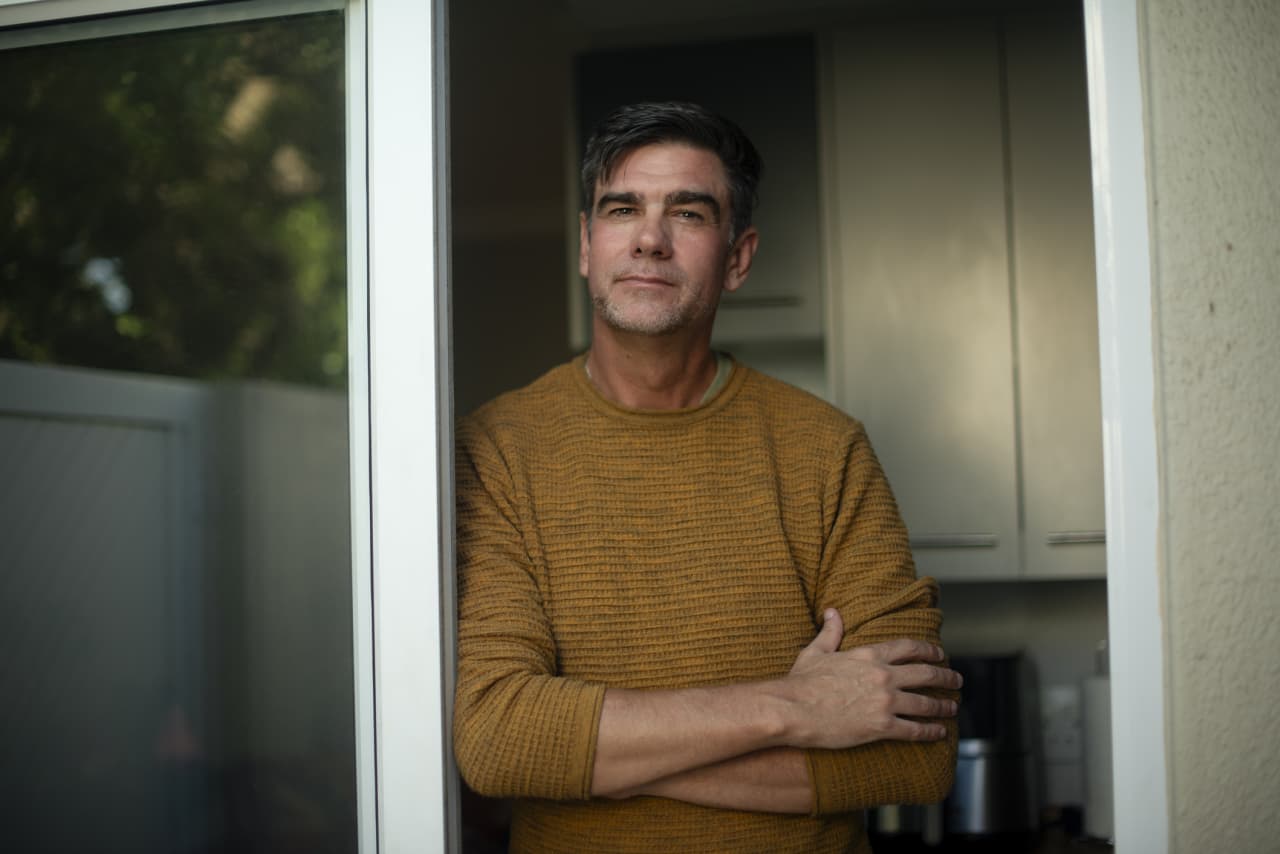
Like Chris, I cannot do what I do without support. I am visually impaired (I have 5% vision) and I am a television writer. I’ve worked on shows such as Sex Education, Call the Midwife and The Hack. I am currently working on a drama for BBC One about the newspaper editor Harry Evans. My job is my passion, my obsession, my livelihood and a huge part of my identity. But thanks to recent cuts to my AtW support, it has become increasingly difficult, if not impossible, for me to perform.
My grant from AtW is split into two pots: one for taxis (I cannot access public transport independently) and one for a support worker (sighted guide) when needed. In 2025, my grant was cut by 70%, and this year my travel pot was removed entirely. I need to travel. I can’t do my job without attending meetings, rehearsals, writers rooms, sets and post-production facilities. On top of that, I need to network in order to gain future contracts.
AtW didn’t contest these needs – or, indeed, my sight loss – but argued that, as I’m self-employed, I can offset travel expenses against tax. This would reimburse only a fraction of my expenditure. Even more baffling, they also claimed I had failed to submit a contract for “work with ITV”. I had clearly stated that my current job is with the BBC, and had provided a contract and letter from my producer to back this up.
I submitted a reconsideration request and my MP, Ellie Reeves, also contacted the DWP on my behalf. A few weeks later we both received a letter (by post and in small print, which they know I can’t read) informing us that my appeal had been rejected. They restated their earlier claims, including my failure to provide my mythical contract with ITV. So where do I go from here? Nowhere. There is no recourse to appeal against an appeal. I find myself at a legal dead end.
Sadly I am not alone. In the past two years there have been many thousands of stories like mine. When challenged, AtW insists there has been no change in policy and points to a twofold increase in demand over the past five years. It’s true, the system is under strain. Increased demand without a corresponding increase in funding is going to cause a problem; I can’t argue with that. But I can ask: are these cuts by stealth really the best way to solve it?
In 2011, the Sayce report found that for every £1 the DWP put into AtW, it received £1.48 back; it’s obvious this scheme pays for itself. I can certainly prove that I am earning, and paying in tax, a sum far greater than the value of my grant. But must we reduce this argument to numbers on a spreadsheet? I could not make this claim at the beginning of my career. Was I less deserving then? Some claimants have more complex needs than others. Is anyone seriously arguing that their talents should go to waste?
I’m also told this study didn’t take into account the money saved in health and social care. Being employed keeps us fit and well. It keeps the wolves of social isolation from the door. Sadly, it seems no further studies have been conducted. Somewhere along the line, AtW decided to stop collecting data.
When sense-making grants were available, disabled newcomers had the freedom to take the same financial risks as their non-disabled counterparts. Comedians such as McCausland could dart around comedy festivals with their support workers, and many a star was born. Organisations such as Graeae Theatre (our national theatre for disabled people) became lighthouses for talented youngsters – Jack Thorne, the Emmy-winning writer of Adolescence, landed one of his first jobs writing for Graeae’s artistic director, Jenny Sealey (Jenny’s AtW grant was cut this year. After a fierce social media backlash and the support of her MP, it was restored). But in the past year, AtW has become so unworkable that it is already deterring potential talent. Call the switchboard and the recorded voice will tell you that the current waiting time for a new application is nine months.
after newsletter promotion
Those of us campaigning to bring this scandal into public consciousness have spent much time wondering: is this cock-up or conspiracy? Is anyone at the DWP considering the impact on the McCauslands of the future? And what is the new prime minister going to do about it?
If you back us, we will deliver. It’s what Chris was saying when he brandished his glitter ball trophy. A piece of public policy that made money and was a source of national pride has been twisted into something nonsensical, cruel and, quite frankly, shameful. It’s enough to make anyone stop dancing.









Leave a comment