
DNC’s 2028 primary plan adds debates, influencers, and a dark money pledge
 adminUpdated 15 minutes Ago2 Mins read
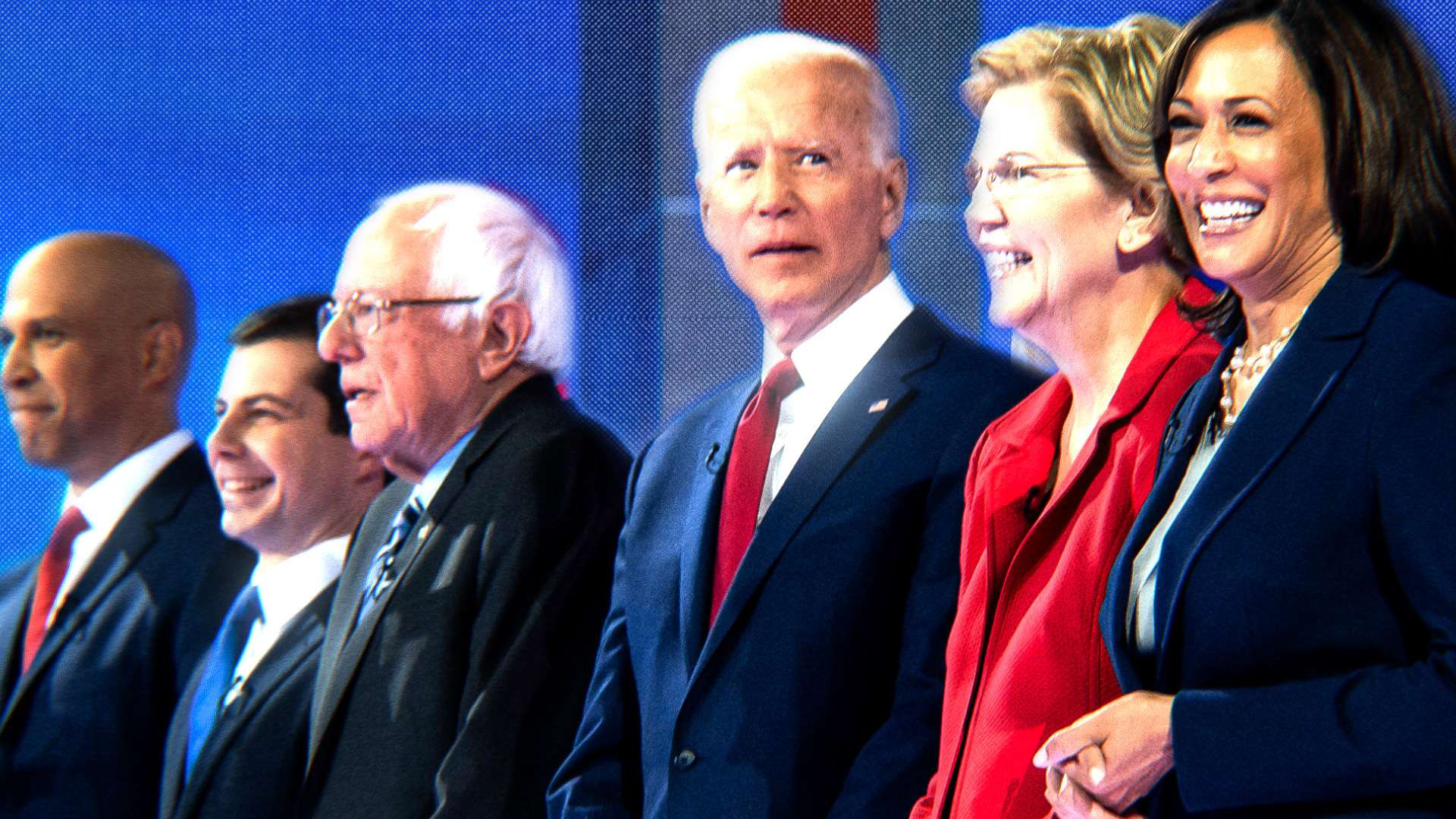
Clear your calendar for 2027 and 2028, because there will be 12 Democratic primary debates to watch, starting in June.
The punishing primary debate schedule is just part of the Democratic National Committee’s (DNC) recently announced plan for the 2028 presidential election. And while sitting through 12 Democratic primary debates seems nightmarish (think of all the corny, engineered viral moments we will be subjected to), a more rigorous primary process is preferable to a virtually nonexistent one like the Democrats pulled in 2024.
The DNC also wants to make sure these 12 debates attract the maximum number of eyeballs, and the organization says it “will seek to maximize the viewership of the debates, including by incorporating creators and influencers into the debate process.” The announcement has already caught the attention of Hasan Piker, who wrote on X, “the debate will include creators and influencers you say?” According to The Washington Post, some influencers and content creators are already considering getting involved. Brian Tyler Cohen, president of the Chorus Creator Incubator program (which tech journalist Taylor Lorenz reported was funded by a liberal dark money group), said it is “long past time for independent media and a creator” to host a debate, according to the Post.
The DNC has not clarified how exactly influencers will be involved in the debate process (tiny microphones for everyone? Best TikTok creator wins?). But it does state that candidates cannot “participate in events in which two or more candidates share the stage, whether virtually or in-person, and answer questions.” Candidates who participate in such unsanctioned debates would be disqualified from future sanctioned debates. While new media and podcasters can be a democratizing force, an influencer-led debate would likely turn a political debate into an even more vapid spectacle than usual. Will candidates have to face a circle of critics on Jubilee? Will they all have to sit down with the SubwayTakes guy? Crafting a smart social media strategy worked for a mayoral candidate like current New York City Mayor Zohran Mamdani. But if candidates do not propose things that resonate with voters (even if those policies are misguided and impractical), a Brat-style, “Hotties for Harris” campaign is likely not going to land.
As another part of the DNC’s efforts to run “a 2028 presidential primary process that is transparent, fair, and rigorous,” the organization is also asking candidates to denounce dark money spending to qualify for these debates. While the DNC acknowledges that it cannot legally ban dark money and super PAC groups, it says that “a uniform denunciation statement will be provided for each campaign to complete upon notification of spending that violates the pledge.” The pledge won’t apply to the general election.
“You want to lead this party? Go earn it – with voters, not dark money,” DNC chairman Ken Martin wrote on Substack Tuesday.
Earning votes in 2028 will likely be more difficult than during the midterms, when Democrats were able to win support from those dissatisfied with President Donald Trump’s war in Iran and high gas prices. While adding more independent media voices to the debate process could be edifying for voters, it would be foolish for Democrats to think that social media appearances and debate performances alone will secure their nomination. Voters are results oriented. Then again, self-reflection has not been Democrats’ strong suit.





Leave a comment