
‘El Gaucho Martín Fierro’ is a poem about government abuse
 adminUpdated 13 minutes Ago1 Mins read
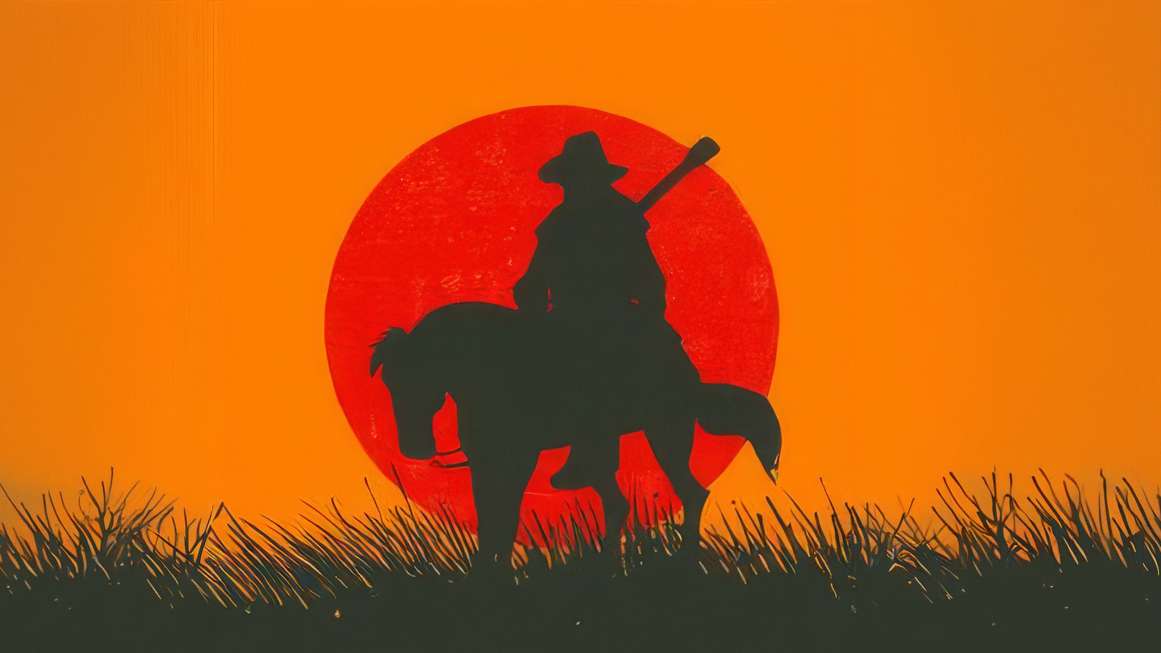
At the center of José Hernández’s El Gaucho Martín Fierro, an epic poem first published in 1872, is a fundamentally libertarian question: What happens when the state decides that your life belongs to it?
Fierro tells the story in flashback, starting from his time as a working cattlehand with a wife, children, and dreams of being “as free as a bird up in the sky.” During a festival, he is detained, conscripted into the military, then sent to the frontier to battle Native Americans. There, he endures terrible conditions: poor food, lousy equipment, and corrupt commanders who seize his horse and force Fierro to work on their private farms. What was supposed to be a short-term assignment ends up lasting three years. The promised pay never arrives in full.
Fierro abandons his post and returns home. His ranch is in ruins. His cows have been sold off. His wife and kids are missing, their fates uncertain. With nothing left to his name, Fierro pledges to become a gaucho matrero, or outlaw, who will “roam like the tiger on the track, whose cubs have been stolen.”
By turning Fierro into a tool for its own violent purposes, the poem suggests, the government undermined the very social cohesion it is supposedly fighting to preserve.








Leave a comment