
Experience: I found my long-lost twin aged 49 | Family
 adminUpdated 2 hours Ago3 Mins read
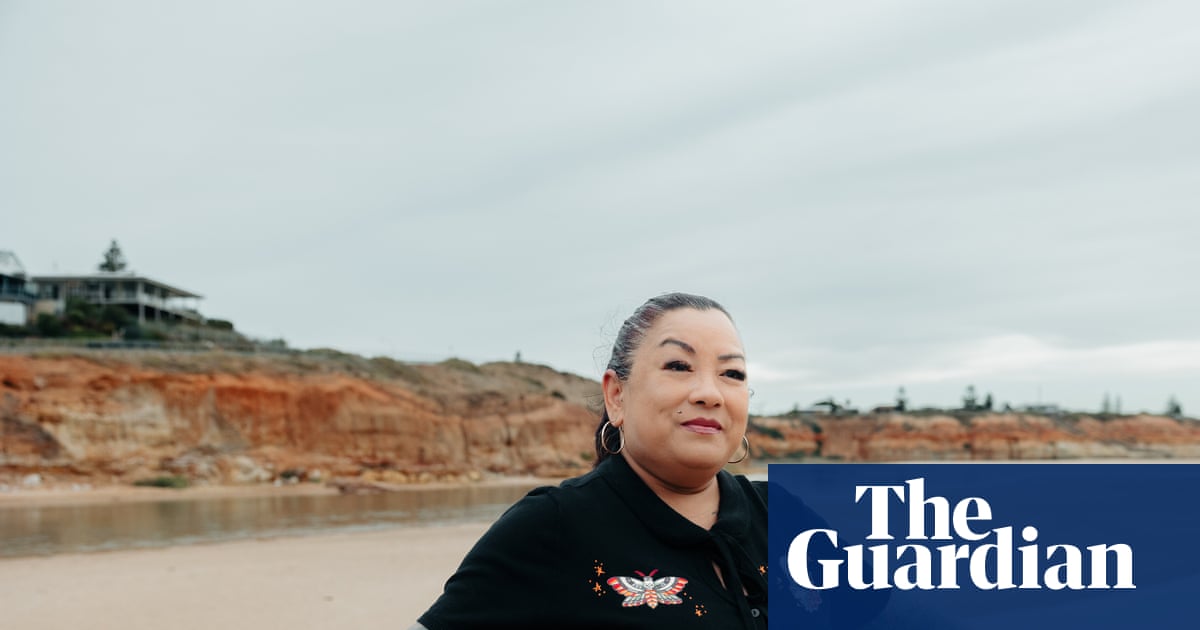
In 1975, my parents saw an advert in their local Australian newspaper. With the Vietnam war coming to an end, thousands of orphaned children were being evacuated. As part of the American-led Operation Babylift, the Australian government was looking for families who would adopt them. My parents decided to do it.
I arrived in Adelaide in April in a shoebox. I was so tiny that my umbilical cord was still attached. My parents knew that the document they were given, with a January birthday and the name Le Thi Ha, couldn’t be mine. But with the chaos of the evacuation there was no way to find out more.
Despite my parents divorcing when I was two, I had a happy childhood. I had an older sister, who’d been adopted at five, three brothers and parents who loved me. As a child, I wasn’t curious about my adoption. Even if I had been, Mum didn’t have any answers. She’d been told that my birth parents were probably dead, and if I’d stayed in Vietnam I’d have died, too. My teenage years were harder. I was the target of racial slurs and tried to hide my Asian heritage, becoming heavily tattooed and dying my hair.
Having my daughter Jade in 1995, the first person I knew that I had a biological connection with, changed everything. I’d stare at her for hours, unable to comprehend that this baby was from my blood. I’d look in the mirror and think: “Jade looks like me, but who did I look like?” Those questions only grew as I had my sons and second daughter.
In 2004, Mum and I took our first trip to Vietnam. I was surrounded by people who looked like me. I veered from joy at the connections I felt to depression at the endless unanswered questions. In 2015, a group of Operation Babylift evacuees from across the world met in Vietnam. We were offered the chance to take a DNA test, and I was excited at the possibility of finding biological relatives. Seeing 12 cousins listed on my results felt monumental. But they weren’t interested in our connection.
In early 2024, I saw that a TV show was helping people solve family mysteries. Claire, the producer I spoke to, sent me a new DNA test, but the show then lost its funding. Months later in July, I remembered I hadn’t seen my test results. I asked my daughter Brooklyn to log in. She said, “Mum, you’ve got a brother.” There was the name “Glenn” and beside it “brother”. I began rocking back and forth, shouting, “Oh my God.” I couldn’t believe this was real. I searched on Facebook and saw a face so like mine, I was speechless. Frantically scrolling, I found a post about his birthday. Seeing both his age and the fact he’d been born in April, the month I arrived in Australia as a newborn, I froze. He wasn’t just my brother; he was my twin.
The joy, disbelief and shock came with a million questions. How were we separated and why? How was it possible to be 49 and discover I had a twin who lived a 2.5-hour flight away in Brisbane? I messaged Claire, who said she could reach out to him. Waiting for news was torturous. I jumped every time the phone rang.
after newsletter promotion
In November, he finally called. We spoke for two and a half hours. I was the one to tell him we were twins, which he found as incredible as I did. Two months later, shaking with nerves, I went to meet him. Then I was in his arms, sobbing, and didn’t want to let him go. We’d shared a womb and were finally reunited. In those two days, I could barely tear my eyes away from Glenn, constantly reaching out to touch him and remind myself he was real. In the weeks that followed, we messaged and spoke often, but then our communication slowly dropped away. His wife reassured me that he was just trying to process it all.
I’m angry that no one has taken responsibility for our separation from our parents. I don’t know what the future holds. I’ve learned that reunions don’t always lead to a neat happy ever after. But I’ve also discovered how strong and persistent I am. Last year, I gave a speech at the Department of Home Affairs for Refugee Week. It was cathartic to share my story. I want other adoptees to know they matter. We all deserve to be heard.
As told to Kate Graham
Do you have an experience to share? Email experience@theguardian.com






Leave a comment