
ICE reportedly lowered its standards to meet Trump’s hiring goal
 adminUpdated 43 minutes Ago3 Mins read
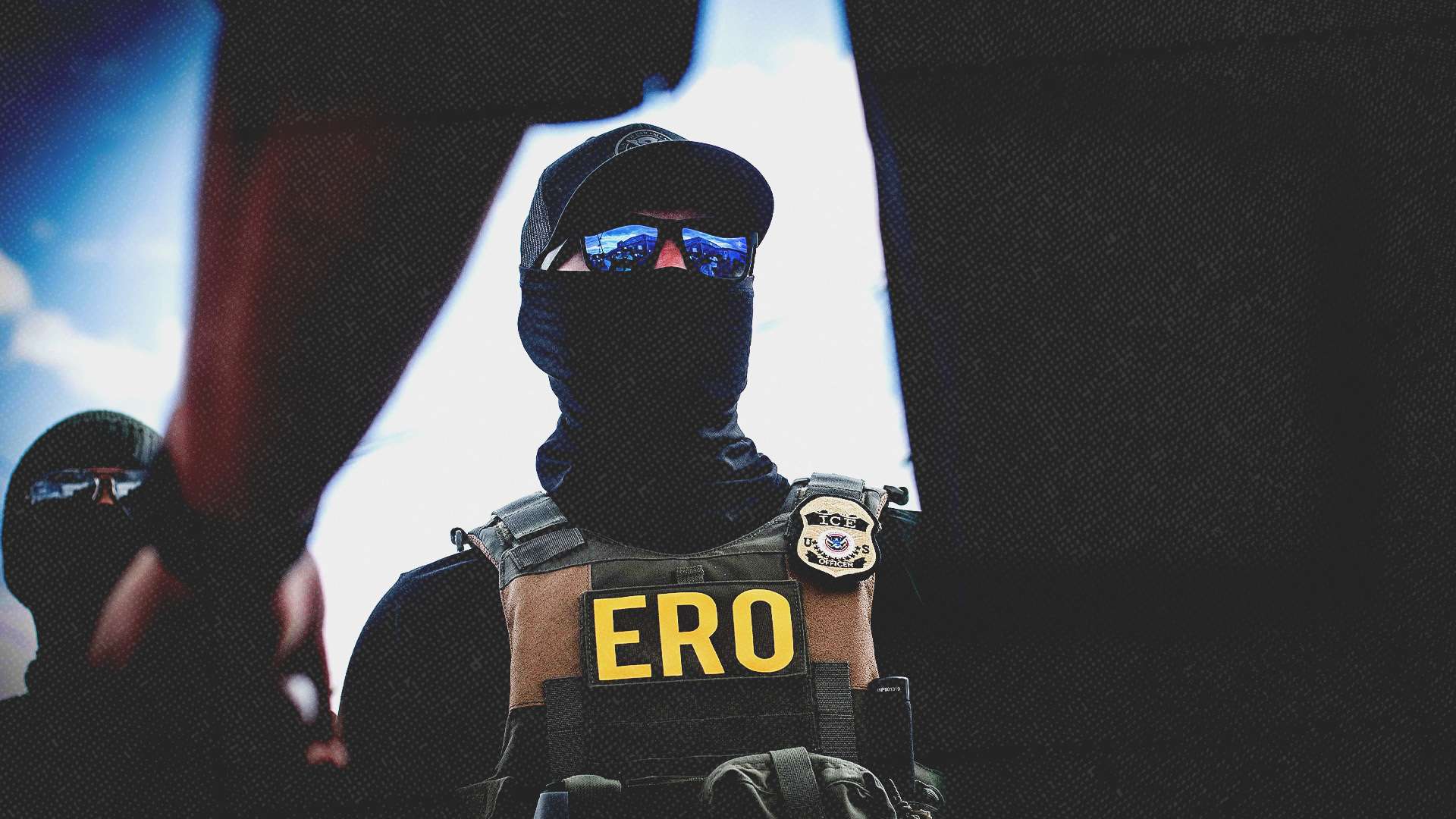
When President Donald Trump ran for reelection, one of his consistent campaign promises involved illegal immigration. “On day one, I will launch the largest deportation program in American history to get the criminals out,” he pledged.
One of the efforts made to accomplish this goal was staffing up. With a big boost in funding, U.S. Immigration and Customs Enforcement (ICE) made a big hiring pitch, spending millions of dollars on fancy new trucks and SUVs and offering potential recruits high starting salaries and signing bonuses up to $50,000. In January of this year, ICE bragged that in just a few months, it had more than doubled its ranks, from 10,000 to 22,000 officers and agents.
Of course, this raises questions about the hiring process: Did the government cut corners, either in vetting or training these new recruits? It appears that a whistleblower within ICE raised concerns even at the time.
“In the wake of a hiring surge last summer, an official in charge of evaluating new recruits to U.S. Immigration and Customs Enforcement issued a dire warning,” Alexandra Berzon, Katie Benner, and Hamed Aleaziz reported this week at The New York Times. “The Trump administration, he wrote in a memo, was cutting corners, violating the law and fast-tracking unqualified, ‘improperly vetted’ candidates into ICE’s ranks, part of a dangerous move that exposed the agency—and its law enforcement operations—to ‘grave national security risks.'”
In his memo, per the Times authors, the unnamed official noted “shortcuts in the agency’s preliminary vetting process. No credit checks. Fingerprints unconfirmed. Final job offers absent preliminary vetting.” Officials reportedly pushed assessors to make hiring decisions before background checks had been completed, while shortening ICE’s training program from 10 weeks to six—meaning candidates were sent to training and even to work before their background checks were even complete.
The Times authors describe the official as “a 17-year ICE veteran,” “a longtime Republican who voted for Mr. Trump in 2020 and 2024,” and “a unit chief who directly oversaw more than 100 employees who evaluated thousands of ICE applicants” before retiring in July. He was apparently so concerned that he bypassed the chain of command and submitted the memo directly to the Department of Homeland Security Office of the Inspector General (OIG) as a whistleblower complaint. He did this, the Times authors note, “because ICE leadership had created these issues and he thought an outside, independent investigation was necessary.”
In August 2025, the same month as the whistleblower complaints, ICE then-Acting Director Todd Lyons announced an “audit” of the agency’s “processes for hiring and training agents,” though so far no results have been made public.
Otherwise, it appears that the government paid little attention to the problem. Six months after submitting his complaint, the whistleblower says he was contacted by an OIG attorney, but instead of asking about his allegations, the attorney seized his laptop and asked if he had spoken to the media. He was then placed on leave for unspecified “allegations of serious misconduct,” before he was unceremoniously reinstated after 10 months.
Of course, none of this should be a surprise. Testifying before Congress in February, former ICE instructor Ryan Schwank called the agency’s new training program “deficient, defective, and broken,” warning that it “can and will get people killed.”
Sen. Gary Peters (D–Mich.), the ranking member on the Senate Homeland Security and Governmental Affairs Committee, “has serious concerns about how ICE was able to appropriately determine suitability, train and onboard 12,000 new front-line personnel in less than a year, especially given recruitment challenges the agency has faced in recent years,” a Peters aide told Military.com in January. Peters, the aide added, “remains concerned” about the possibility of “lowered standards and inadequate preparation.”
The consequences of inadequate training and vetting are plain to see: In January alone, federal agents (one with ICE, the other with Customs and Border Protection) killed two bystanders in Minneapolis. ICE officers have arrested numerous American citizens—in some cases multiple times—using excessive force.
It all also contradicts steps the Trump administration has taken elsewhere.
From the beginning of his second term, Trump has targeted diversity, equity, and inclusion (DEI) initiatives, which encourage hiring people in minority communities. In a January 2025 executive order, Trump directed all federal agencies to end DEI practices, which he said “threaten the safety of American men, women, and children across the Nation by diminishing the importance of individual merit, aptitude, hard work, and determination when selecting people for jobs and services in key sectors of American society.”
The following month, his administration dismissed four lawsuits against local police and fire departments alleging racially discriminatory hiring practices. Trump, meanwhile, said the hiring processes were “race-neutral,” and replacing them with something more race-conscious “lowered standards and endangered public safety.”
“Americans deserve the best of the best keeping them safe,” he continued, “and in the Trump Administration, anything less is unacceptable.” Unfortunately, the same doesn’t apply for ICE officers.






Leave a comment