
Lockerbie bombing trial postponed days before it was due to start
 adminUpdated 2 hours Ago1 Mins read
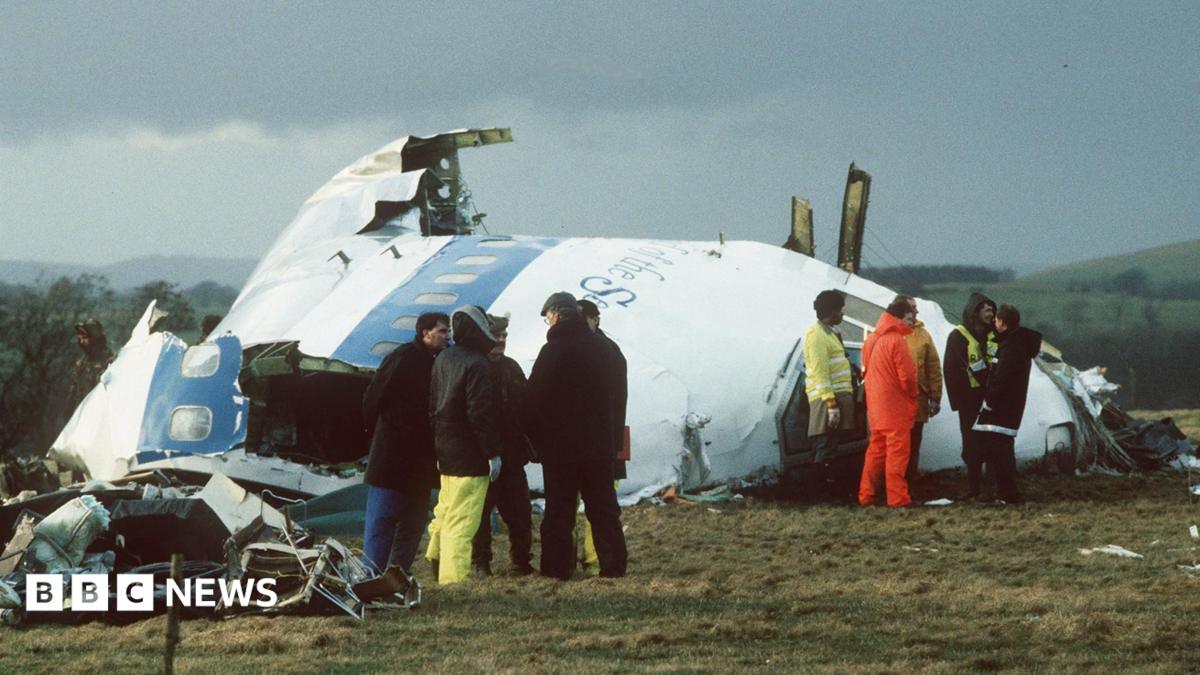
Campaigner Kara Weipz, who is president of the Victims of Pan Am Flight 103 group, said she was “floored” when she received the news that the trial had been postponed.
She told the BBC’s Radio Scotland Breakfast programme that she would pray that older relatives of victims would “remain healthy” so they can see the trial eventually take place.
She said: “It’s always been my goal for as many family members to be able to witness this trial as possible and to gain more of the truth.
“If that’s what this evidence brings, that’s what the families have been fighting for for almost four decades – we want the truth, we want to know what happened – and if that’s what this brings then this time will be worth it.”
A grandfather in his 70s, Al-Marimi has been accused of carrying out the attack along with two Libyans who faced a Scottish court in May 2000.
Three judges heard the case at Camp Zeist, a former US air force base in the Netherlands.
After eight months, they ruled the atrocity was an act of state sponsored terrorism carried out by members of the Libyan intelligence service.
The judges convicted one of the Libyans, Abdulbasset Al-Megrahi, of mass murder and jailed him for life.
He died from cancer in 2012, after being freed on compassionate grounds by the Scottish government.
The Scottish Criminal Cases Review Conviction twice referred Megrahi’s case to the appeal court but the conviction was upheld.
The second Libyan, Al Amin Khalifah Fhimah was acquitted and returned home to a hero’s welcome in Tripoli.
The US government says Al-Marimi admitted bombing the plane along with Megrahi and Fhimah when he was questioned in a Libyan detention facility in 2012.
The alleged confession was handed to Scottish investigators in 2017 and is now central to the prosecution case.
Al-Marimi has claimed the confession is false and was made under duress, but judge Friedrich ruled it can be admitted as evidence at the trial.









Leave a comment