
Outcry as Meta lets users make AI images from public Instagram profile pics
 adminUpdated 1 hour Ago1 Mins read
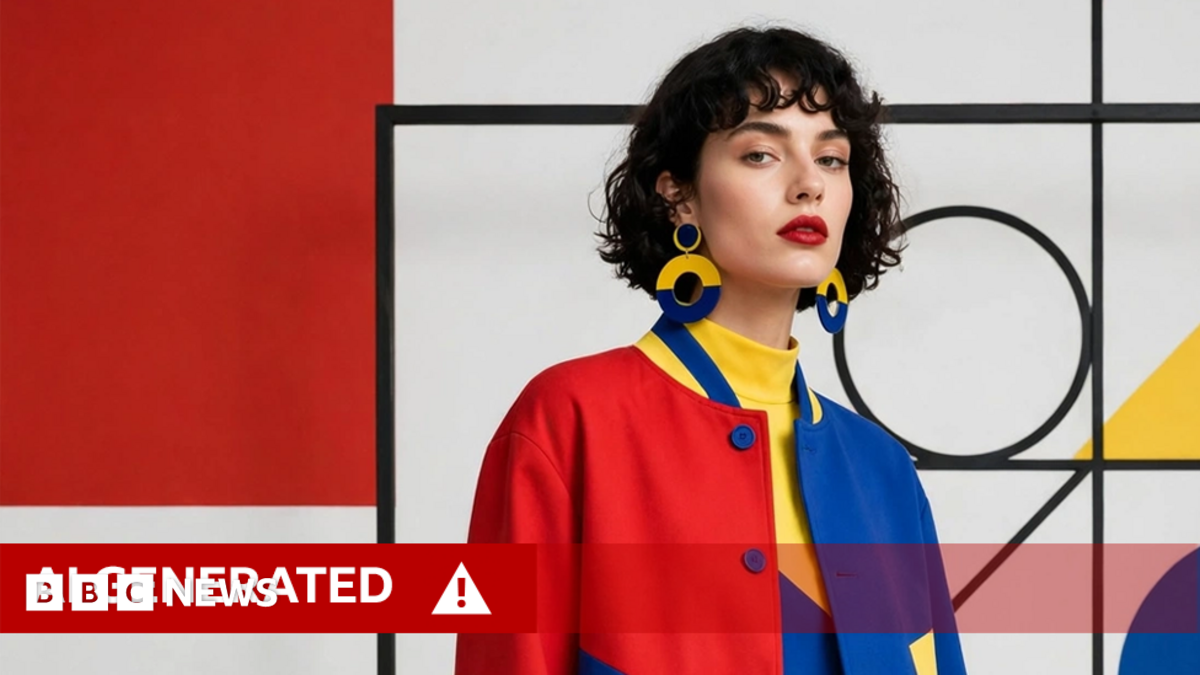
Meta is facing a backlash over its new AI tool Muse Image, which can generate pictures using other people’s profile pictures without telling them.
It is one of many text-to-image tools publicly available, which as the name suggests can create pictures from a few lines of simple written text.
Muse Image is available through the Meta AI app and web browser, as well as on WhatsApp and in Instagram Stories for US users.
While Meta says users can opt out of their image being used even with a public account, Donald Campbell, advocacy director at tech justice non-profit Foxglove told the BBC it was an “obvious recipe for disaster”.
“We’ve already seen a catalogue of harms from non-consensual AI-altered images on social platforms just in the past year,” he said.
“It is hard to see why Mark Zuckerberg thinks facilitating yet more of this creepy image manipulation is a good idea.”
The feature is likely to face heightened scrutiny as regulators and campaigners raise concerns about AI-generated images, with Ofcom currently investigating X over Grok’s role in creating and sharing non-consensual AI-altered images of real people.
Privacy International also criticised the feature, telling the BBC it was “the latest sign AI companies see people’s images and data as raw material to be exploited”.
“Pulling real users into generated photos without explicit consent is a privacy landmine waiting to detonate,” one user wrote on X, external.
Meta said a dedicated setting, separate from account privacy controls, allows users to opt out even if they have a public account.
To do so, users must go to Instagram’s settings menu, select “Sharing and Reuse” and switch off “Allow people to reuse your content on Instagram and with AI features at Meta” for posts and reels.









Leave a comment