
Seattle Councilwoman-elect Nilu Jenks wants to deregulate homebuilding
 adminUpdated 1 hour Ago2 Mins read
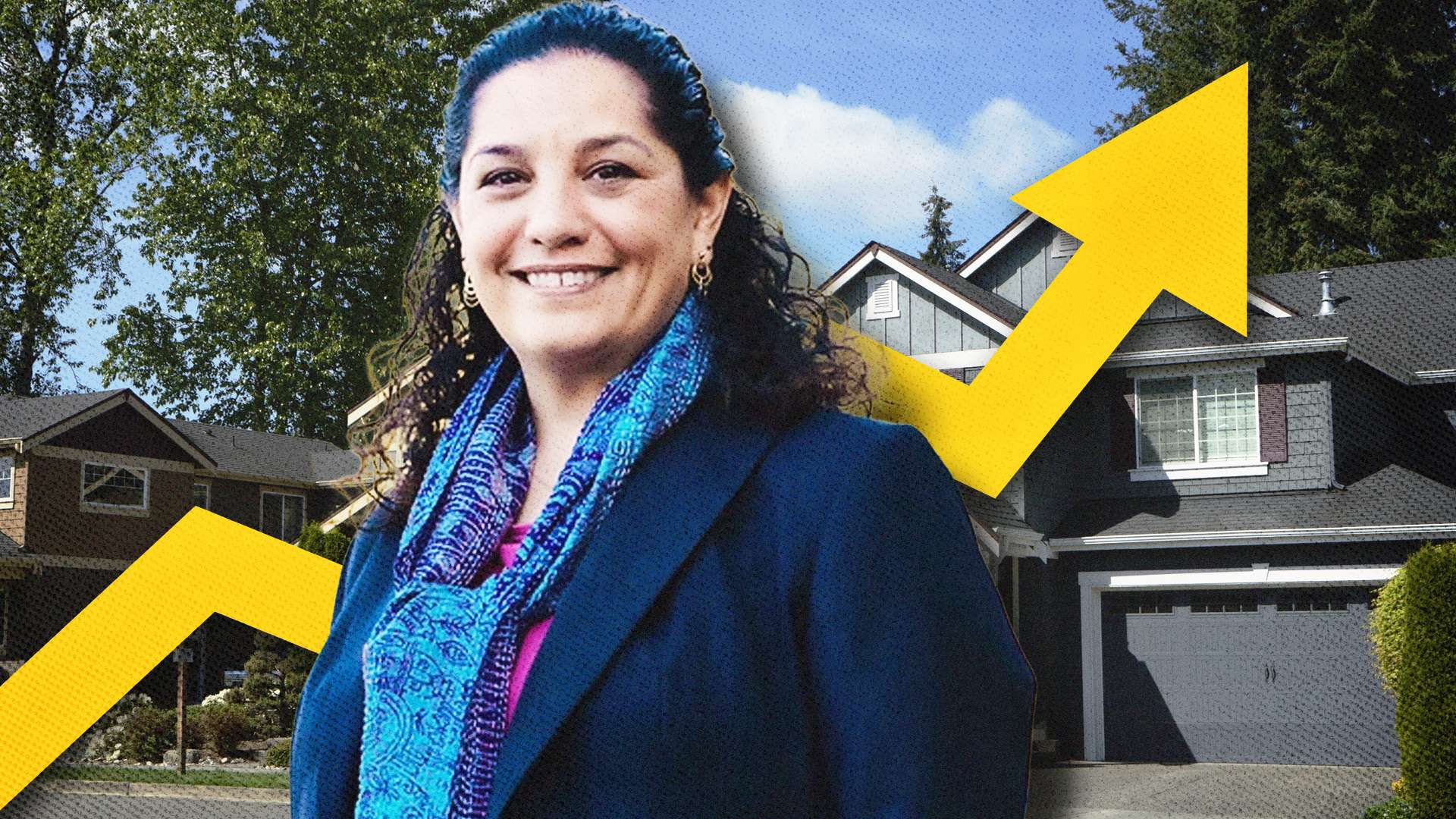
In Seattle’s only city council election this year, voters in District 5 elected progressive urbanist Nilu Jenks over moderate Julia Kang, according to The Seattle Times. Jenks’ victory may be an unexpected win for both homebuilders and renters.
Much of the campaign centered on public safety, affordability, and city taxes. Jenks—who was endorsed by democratic socialist leaders like state Rep. Shaun Scott (D–Seattle)—advocated for less interventionary policing, affordability for workers, and a more progressive tax system. Kang, a former teacher and banker, framed herself as the moderate, demanding fiscal responsibility from the Council and advocating for more police presence in high-crime areas. Kang listed reducing crime as her top issue, and while she described affordability as a priority, she did not campaign hard on the issue.
Jenks, on the other hand, was more forthright in addressing Seattle’s affordability crisis. Her solution? Expanding the housing supply.
On her campaign website, she listed “Building 1,000 New Units of Affordable Housing” as her top priority. Though the “affordable” label is often synonymous with government intervention—like rent control and city-subsidized construction—Jenks offered several pro-market reforms in the past and on the campaign trail.
In a 2023 written questionnaire to The Urbanist, she framed the core of the city’s affordability problem as a housing shortage. To fix this shortage, she suggested “removing restrictive zoning; improving the historically slow, expensive, and inefficient permitting process; reforming restrictive and unpredictable design review processes; and fixing well-intentioned but counterproductive affordability programs.”
One of those “well-intentioned but counterproductive” programs that Jenks wants to see fixed is Seattle’s Mandatory Housing Affordability (MHA) program. Started in 2017 and expanded citywide in 2019, the MHA program requires all new housing projects to set aside rent-controlled units, or pay a hefty fee to the city’s affordable housing fund.
Fees under the MHA range from $11 per square foot to $50 per square foot, which add up fast. ChangeWA, a nonprofit “focused on advancing common sense governance,” found that one redevelopment plan for a Safeway in Capitol Hill “would owe over $8.5M in MHA fees when construction begins, an 8% increase in construction costs.”
In 2025, Reason’s Christian Britschgi reported that Seattle’s MHA program added $36,000 in fees to a local couple that wanted to redevelop their home into “a smaller duplex and accessory dwelling unit.” Under the regulation, one developer looking to build four townhomes on his property would have to pay $126,000 in housing fees.
The MHA program is effectively a tax on new development, which drives builders away from high-cost projects in Seattle. Over the past five years, new multifamily permitting applications have steadily declined in the city; so far in 2026, only 509 new high-density unit applications have been filed, according to the Seattle Department of Construction and Inspections. That’s a steep drop from the 16,000 that were filed in 2020.
The MHA isn’t solely to blame for all of this; broader market trends have seen development slow in many cities. But any tax on development restricts the market’s ability to match housing supply to housing demand, increasing housing costs for all city dwellers.
Some on the Seattle City Council have realized this, with Councilwoman Dionne Foster recently collaborating with builders to introduce a plan that would reduce MHA fees by 80 percent for the next two years. Seattle’s democratic socialist mayor, Katie Wilson, delayed that pause on MHA fees, instead convening “a stakeholder workgroup to continue refining the proposal,” according to The Urbanist. Wilson’s decision earned criticism from both Jenks and Kang.
While Jenks’ statements about MHA reform have lacked specificity, her willingness to critique the program and her clear plans to deregulate permitting and zoning earned her the endorsement of YIMBY Action, a national pro-housing group.
Though her ability to implement this vision must still be proven, in a city where housing costs continue to rise and anti-market solutions seem to follow, a progressive councilwoman with serious and pragmatic plans to address the housing shortage is refreshing.







Leave a comment