
Sedimentary rocks: why pét nat and cloudy wines are on the rise | Wine
 adminUpdated 2 hours Ago2 Mins read
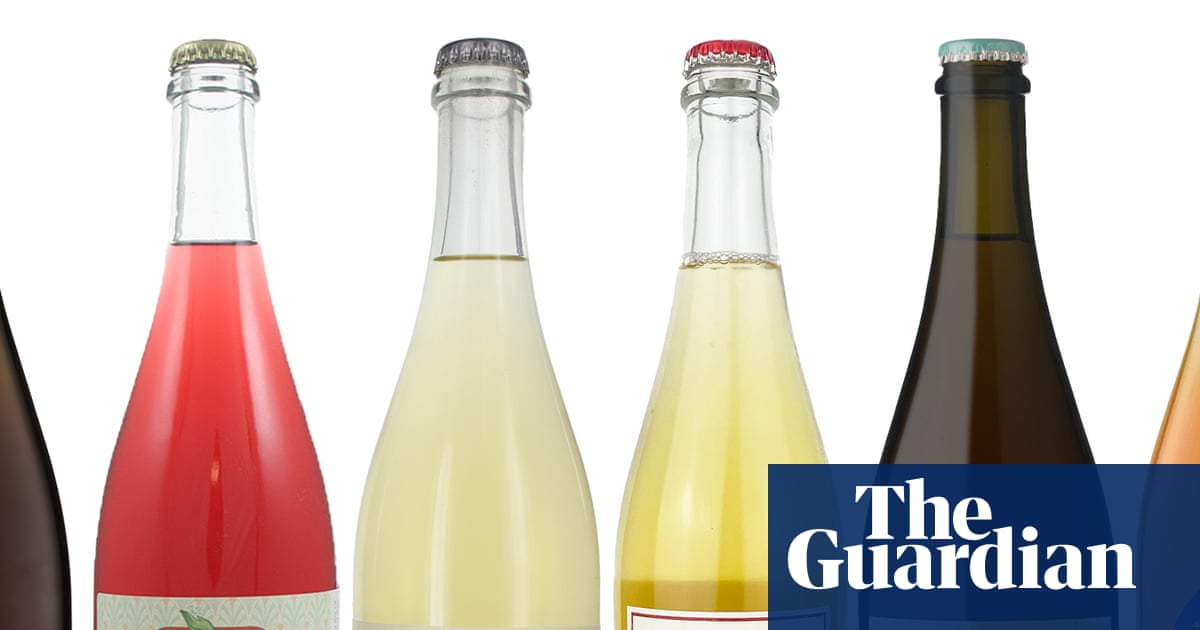
Centuries ago, Geoffrey Chaucer observed that “ther is no newe gyse that it nas old”. This truth – that there is nothing new under the sun – certainly applies to wine: every year, a well-documented or ancient viticultural practice is repackaged for a mainstream that greets it giddily as an innovation. Orange wine! Wine in kegs! Chilled reds! And, in 2026, cloudy wine, courtesy of Marks & Spencer’s peachy-opaque organic rosé, Trouble (a name that means “cloudy” in French.
Trouble is the first cloudy still wine available in a British supermarket, a development that has seemed inevitable since pét nat – pétillant naturel – hit the big time; it’s an ancestral method of making sparkling wine that involves bottling before fermentation has finished. Typically, pét nats are not disgorged (that is, the dead yeast cells left over from fermentation are not removed), which is what gives them a cloudy appearance. They are also often fresh and tangy, so they suit warm weather, but it’s hard to imagine a better pairing for a pizza takeaway on an autumn evening, and without prosecco’s divisive sherbety notes, to boot. (That said, look out for rustic, cloudy col fondo – bottle fermented, undisgorged prosecco – a hazy, lively and bracing take on the nation’s most popular fizz.) M&S, ever quick on the uptake, has an own-label English rosé pét nat (currently out of stock), while Tesco sells a pét nat chardonnay from Argentina.
The term “clarification” in viticulture refers to several processes that make conventional wines so crystalline – namely fining (where an agent is added to bind haze-forming particles or compounds such as proteins and tannins, causing them to clump and settle) and filtration, which physically removes suspended particles from the wine. There are ways of clarifying that involve neither fining nor filtering, such as racking or settling (as I suspect is the case with Trouble, which hasn’t a speck of sediment). So, cloudy wine can be filtered and an unfiltered wine can be clear. Waitrose has no “cloudy” wines on its shelves, but it does have several unfiltered ones, including surprisingly big players such as Catena malbec.
So why choose a cloudy or unfiltered wine? “There’s texture, there’s fleshiness, there’s rounded fruit,” says Zainab Majerikova, head of wine for the Ottolenghi group, where the three house wines are unfiltered and cloudy natural numbers. “We think this makes them more moreish and a better fit for food with big, complex flavours,” says Majerikova.
I always get the sense that longer contact with lees (those dead yeast cells) makes cloudy wine more food-like; it might be a drink, but there’s a crunchiness to it. For the full effect of its flavours and weight on the palate, Majerikova recommends shaking a bottle of cloudy wine before opening to mix the sediment with the liquid. Either way, she says, cloudiness “brings soul, vibrancy and complexity” to wines for old-fashioned fun.
Four cloudy wines to lift the spirits
Trouble Cloudy Organic Rosé £12 Ocado, 12.5%. A slightly savoury, very drinkable take on a southern French rosé – bring on an Indian summer.
Alma 4 Phos Pét Nat £12 Tesco, 12.5%. Food-versatile pét nat Argentinian chardonnay from the Uco Valley, lightly sparkling and textural.
Alella “La Rumbera” 2022 £32 Dynamic Wines, 11%. A serious unfined and unfiltered skin-contact wine from a legend of Catalonian winemaking.
Ottolenghi Red Wine £26, 10%. This subtly cloudy pinot blend is Ottolenghi’s house red, and might well become mine: a wine you can almost crunch.










Leave a comment