
Skincare staple or expensive gimmick: do you really need an LED face mask? | Skincare
 adminUpdated 1 day Ago6 Mins read
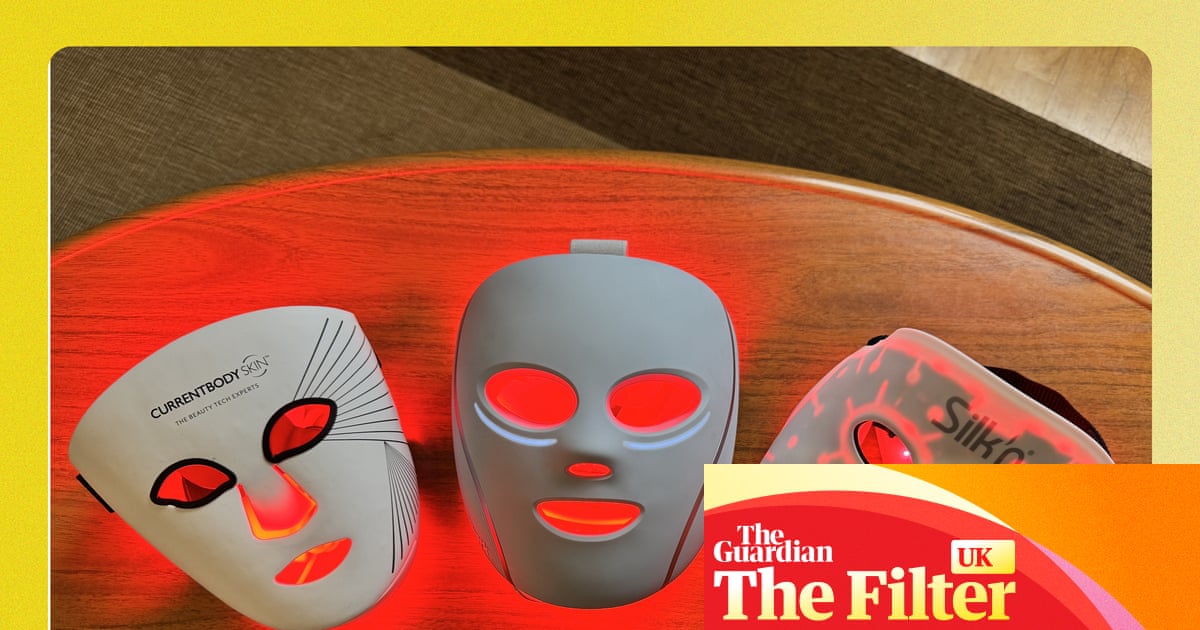
Countless faddy products have crossed my desk over the years I’ve been reviewing beauty tech, from app-connected toothbrushes to AI-powered hair dryers. Few, however, have held such sustained interest as LED face masks.
At first glance, I assumed these scary-looking, space-age skincare devices would fizzle out of favour as quickly as they appeared. Instead, they’ve become a staple in some people’s skincare routines, including my own.
LED masks use a process called photobiomodulation (PBM), where different light wavelengths are used to trigger specific processes in the body, as light stimulates the mitochondria – the “powerhouses” responsible for generating energy – in our cells.
The first forms of light therapy used concentrated light to treat tuberculosis – and then, as its skin-rejuvenating properties were discovered, slowly evolved into the LED masks used today. “With consistent use, at-home LED therapy can lead to gradual, modest improvements in the skin, although results vary depending on the concern being treated,” says consultant dermatologist Dr Derrick Phillips. “In general, LED works by supporting the skin’s natural repair processes. Red light can help reduce inflammation and stimulate collagen production over time, which may translate into subtly smoother, firmer-looking skin. Blue light, on the other hand, targets acne-causing bacteria and can help to reduce the frequency of breakouts in some people.”
When you put it like that, the tech sounds like a painless, risk-free miracle treatment – something that feels rare and desirable in an age dominated by plastic surgery and “tweakments”. It’s not surprising that people have found these claims hard to resist: “Sales for LED masks were up 102% year on year in 2025,” says Lauren Starkey, a senior buying manager at Lookfantastic. And it’s a trend that has shown no sign of slowing in 2026.
But with masks costing between £100 and £500, it’s sensible to question if you really need one, or if something more affordable or less time-consuming will have a bigger impact on your skin. You’ll also need to consider how often you’ll use it, as consistency is key to achieving results, and there’s no point buying gadgets only for them to gather dust in the corner.
Can good skincare give the same results as an LED mask?
“LED masks can be a useful addition, but they’re not a substitute for the basics,” says Phillips. “In most cases, your money is better spent getting the [skincare] fundamentals right first, and then considering devices as an add-on once that foundation is in place.”
I would add that my staunch commitment to skincare has bolstered the results of my LED mask use. I reach for my cleanser and moisturiser every evening, no matter how late it is or how many cocktails are coursing through my system. Admittedly, skincare isn’t always affordable, but Masters agrees that “topical actives often deliver stronger visible results per pound”.
“Topical skincare and LED therapy work in slightly different ways, but there is some overlap in what they are trying to achieve,” says Phillips. “LED light can penetrate into the skin to trigger cellular responses involved in repair and regeneration.” This process can’t be exactly replicated using creams and serums.
“Topical skincare tends to act more at the level of the epidermis,” says Phillips, but not all skincare is strictly surface level. “There are well-evidenced ingredients that can influence how skin cells behave,” he adds. Before you try an LED mask, he suggests looking into retinoids, vitamin C and peptides, since they’re “designed to signal to the skin in a similar way”.
As a rule, I’d recommend opting for a retinal serum at night for anti-ageing. I have used Medik8 Crystal retinal, which is available in various strengths, so you can start low and increase the dosage when your skin acclimatises (beauty writer Sali Hughes also recommends it). Peptides are a gentler alternative if you’re worried about the irritation retinoids can cause. I love the Medik8 peptide cream and the Ordinary GF 15% serum. For spot-prone skin, invest in a product with salicylic acid. I keep a bottle of Paula’s Choice BHA 2% toner in my cupboard and use it sparingly as an on-the-spot treatment.
Don’t even think about buying an LED face mask for anti-ageing if you don’t wear daily SPF: that’s like trying to bail out water using a colander. Sun damage is a leading cause of premature skin ageing – not to mention the risk of skin cancer – and active ingredients make your skin more vulnerable to the sun’s rays. I recommend the Beauty of Joseon Relief Sun SPF50 sunscreen as it has a silky texture that belies its affordable price, and it sits brilliantly under makeup.
Before you jump in and raid the skincare aisle, try speaking with a dermatologist. This will arm you with tailored skincare recommendations, saving you from experimenting and wasting products and money.
When integrating any new actives into your routine, it’s best to exercise caution. Always start using each active once or twice a week for a few weeks, then gradually increase the frequency. Any irritation, stinging or burning is a sure-fire sign that you should stop treatment.
Are there cheaper alternatives to LED face masks?
If you want a more affordable option, consider buying LED patches. They use the same LED technology but cover only a small, targeted area, and they’re cheaper than full masks, better for travel, and can be used all over the body. For acne-prone people, I recommend the Lustre Solo patches, which use blue light to eliminate acne-causing bacteria and worked wonders on clearing my breakouts in my tests.
Facial massage using a gua sha stone or facial roller can also help stimulate blood flow, reduce puffiness, and help the face appear more lifted. Some claim it may improve collagen production, too, although evidence is limited. This is a more active process than plopping on a face mask while flumped on the sofa – but you can pick up a gua sha stone for as little as £15.
after newsletter promotion
What are the benefits of an LED face mask?
“People do not ‘need’ an LED face mask,” says Phillips, “but rather they are an optional extra to support skin health.” He advises that they can be particularly useful for anyone “looking to manage mild acne, reduce low-grade inflammation, or maintain overall skin quality between in-clinic treatments”.
That aligns with my experience with LED face masks, which I’ve been using since 2024. My main concerns are blemish control and brightening my skin tone, and daily treatments using blue, near-infrared and red light have reduced my breakouts and ensured they heal faster than they did before.
However, blue-light treatments aren’t suitable for everyone. “People with pigmentation and melasma need to be careful with blue light, since it can cause more inflammation,” warns facialist Justine Masters.
“Use an LED mask as a maintenance tool, not a miracle device,” she continues. “Results are modest, and many cheap models lack sufficient power to deliver results.” In-clinic treatments are likely to use more powerful lights, although the cost of them can add up.
Does spending more get you a better-quality LED mask?
In my time testing LED masks, it’s become clear that cost isn’t always a prerequisite for quality. I’ve tried a £60 mask from Revolution that was wildly uncomfortable to wear, while a £700+ Foreo mask started to fall apart after a week and locked many of its preset treatments behind a subscription paywall in the “free” app.
Having tested 15 for my roundup of the best LED masks, my favourite overall is the CurrentBody Multi Light Therapy mask. It has a comfortable fit, brilliant facial coverage, a high-quality build, and a simple 10-minute treatment time. Or if you’re just in it for anti-ageing, I recommend the CurrentBody Series 2 mask. If you can’t justify spending that much, the Shark CryoGlow can help with both blemish busting and anti-ageing. Its three preset treatments are intuitive, and it has cooling pads to help reduce puffiness under the eyes.
The best affordable option is the Silk’n Facial LED 100 mask. It feels marginally less sturdy than its high-end competition, but it’s comfortable and great for treating blemishes and early signs of ageing.
For more, read Sali Hughes’s pick of the best anti-ageing creams, serums and treatments
Sarah Matthews is a consumer journalist who specialises in health and beauty reviews. In her four years of product testing, she’s worked her way through countless hair styling tools, hair removal, light therapy and skincare innovations. She’s seen beauty trends come and go, and can sniff out a fad from a gamechanger (that doesn’t mean she’s disciplined enough to always follow her own advice, though)











Leave a comment