
So Nigel Farage has beaten a man in a bin. But he’s in deep trouble, and he knows it | Owen Jones
 adminUpdated 2 hours Ago4 Mins read
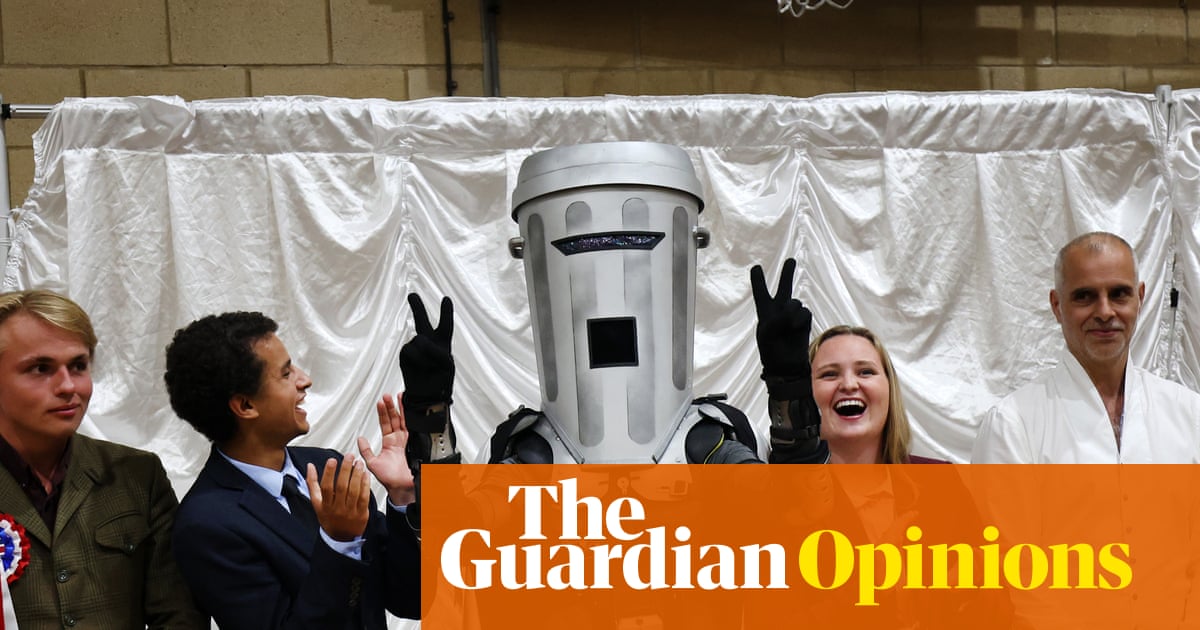
Nigel Farage is a rattled, embattled politician. Perhaps he feels buoyed up by securing slightly more votes in a byelection boycotted by all the main parties than he did in the general election two years ago. That was despite 10,000 fewer people turning out to vote. But there was never any question that he was going to win a byelection he called purely to deflect scrutiny of his undeclared £5m personal gift from a Thai-based crypto-billionaire and donations from a convicted fraudster.
Farage chose Clacton as his parliamentary launchpad for a reason. It was here that his previous outfit, Ukip, secured its breakthrough in the byelection of 2014. It is one of the most pro-leave seats in Britain, while Electoral Calculus estimates that almost no other constituency is this rightwing.
When I visited, I found no shortage of voters who were defiant about Farage’s scandals. They saw no problem with a politician being showered with dosh by a foreign-based billionaire, arguing that Farage deserved it because he was a “nice man” and even suggesting he might invest it locally. They bought the narrative that the establishment was out to get their man, as if a millionaire ex-City broker who is a sometime friend of the US president is some plucky outsider.
They are representative of about a fifth of the country who laud Farage as the mainstream politician most hostile to immigration, and who are contemptuous of a Conservative party that failed even on its own terms in office. What should concern Farage, however, is that most Britons are more opposed to him than ever, and are determined to block him from power. That majority delivered victory to the Greens in February’s Gorton and Denton byelection, and to Andy Burnham in June’s Makerfield byelection.
That the parody candidate Count Binface won more than a quarter of the vote in this ultra-rightwing heartland is a warning in itself. Yes, this “independent space warrior” secured plenty of media attention, but he had precious little ground game – that is, an army of volunteers to get out the vote. Many voters I spoke to hadn’t even heard of him. It seems plausible that some of those who made Count Binface the most successful joke candidate in history had previously voted not just Labour, Lib Dem or Green, but Conservative too.
Farage refused to attend the official declaration of this election he chose to call. That suggests not just petulance and contempt for his own voters, but the insecurities of a jittery man. He claims Essex police had told him about an “organised campaign to disrupt and degrade the result”, but the local force said there had been no “incidents or issues” related to the byelection and that attendance was up to candidates. And did Farage not claim that his £5m personal gift was needed to pay for his security?
The explanation is probably more mundane. Being mocked on stage by a man in a bin does not exactly provide the optics of a heroic struggle against the establishment.
What next for the Farage show? If he thought the byelection was an effective ruse to deflect from his money issues, reality caught up with him quickly. The parliamentary watchdog has now reopened its investigation into Farage’s gift and donations, and another byelection may be forced if there is an adverse ruling.
But it is not just finances that have plunged Reform UK into crisis. Farage’s proud association with Donald Trump – toxic even to most Reform voters – has become an ever greater drag. Absorbing so many former Conservatives was surely another big error. The last government was bitterly rejected for a reason, not least by Farage’s own supporters, and filling Reform’s ranks with its former leading lights hardly helped the party’s anti-establishment pretences.
And then there is the pivot to ever more toxic rightwing politics, perhaps partly driven by pressure from the even further right Restore Britain, founded by the former Reform MP Rupert Lowe. Farage now talks of “anti-white discrimination” – rhetoric once confined to the ugliest reaches of the far right. His talk of “pure cold rage” after the conviction of Henry Nowak’s murder – just hours before riots over it – rightly disturbed many.
Then there’s Zia Yusuf, his home affairs spokesperson, whose increasingly aggressive social media posts speak to Reform’s authoritarian underbelly. Yusuf repeatedly describes his opponents as “traitors” – his latest target was the Tory former defence secretary Ben Wallace – and threatens that an unspecific “reckoning is coming”.
after newsletter promotion
All of this alarms most Britons, who have concluded that Reform must be kept from power and will vote tactically if needs be. Yet this is of scant comfort to the absurdly underscrutinised Tory leader, Kemi Badenoch, because Reform’s hardened core shows no interest in returning to her camp. Rightwing Britain, then, is divided.
It would be a mistake to write Farage off, however. We are in the midst of the Andy Burnham bounce. Voters are relieved to be rid of Keir Starmer, and for now Labour is tempting back some progressive voters who defected to the Greens. But Burnham has yet to be forced into many big decisions. Britain’s economic plight, its crisis-stricken public services and Burnham’s slowness to hike taxes on the booming rich could all come to a head in October’s budget. Disillusionment could swell, and Reform could benefit – unless, of course, Burnham calls a snap election first.
But you have to ask whether Farage’s heart is really in this. Reports that he received his £5m gift after saying he would need “a million a year” to serve as an MP are telling. Here is a man who appears to enjoy the high life and feel parliamentary politics damages his earning potential. He seems increasingly riled by the sort of scrutiny he has long managed to avoid. Perhaps, after a pointless triumph over a bin, he may simply decide he has had enough.





Leave a comment