
The Ceuta border breach was leapt on by Europe’s right. That doesn’t absolve Spain | María Ramírez
 adminUpdated 41 minutes Ago4 Mins read
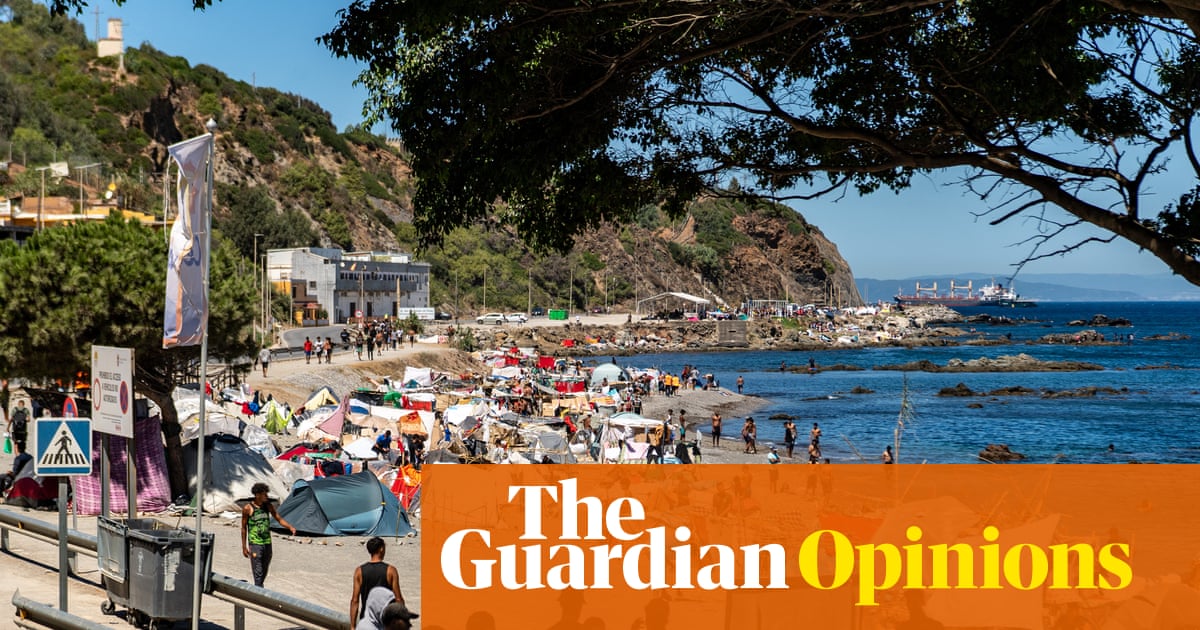
More than a month after an estimated 72,000 people suddenly crossed from Morocco into the Spanish territory of Ceuta, the city remains in chaos and the damage inflicted on the Spanish government is becoming clearer. Most of those who made the crossing have returned to Morocco. The scale of the incident was nevertheless extraordinary, and about 140 people are thought to have died.
Also extraordinary was the response of the 22 EU governments that rounded on the Spanish prime minister, Pedro Sánchez, rather than demonstrate the solidarity one might expect from allies. Perhaps less surprising was the exploitation of the crisis by rightwing and far-right parties in Spain and beyond, Donald Trump’s attacks and the interventions of Russian state-linked actors and Israeli critics on social media to fuel division.
But this opportunism by Europe’s rightwing governments – Italy suspended its Schengen arrangements with Spain for no good reason – does not absolve Spain of blame. What has unfolded since 30 July is tragic for Ceuta, which has a permanent population of only about 84,000 people, and for the thousands of people, including an estimated 1,200 unaccompanied children, left on its streets and beaches. Sánchez’s government must take responsibility for some of the damage it is now belatedly trying to mop up.
On 1 August, in the aftermath of the border breach, Sánchez reassured the EU that “virtually all” of the people who had arrived in Ceuta had returned to Morocco. The overwhelming majority did indeed leave, but thousands did not – and they are still in the city. Official numbers have fluctuated. The Spanish government’s estimate is that 5,000 of those who arrived are still in Ceuta; the region’s local government has suggested it could be double that. For weeks, there was no accommodation available, and hundreds are still camped on beaches or near the overcrowded migrant centres.
People living near these centres complain they cannot leave their apartments out of fear, and that their children are unable to play on the beach or in the street. Businesses have had to close for days on end, incurring losses. Summer festivities had to be cancelled. Many migrants, including women and children, have survived on charity from local NGOs, the Red Cross and neighbours, and have little food, water and shelter.
Yet as the situation deteriorated, the Spanish government failed for weeks to appoint anyone to coordinate a response. This would have been essential in Spain’s decentralised system, with powers divided between the central government and local and regional authorities. Now Madrid is finally funnelling resources and money into the matter, but only after the situation had deteriorated dangerously.
Tensions have been evident in recent days, with local people crying in front of TV cameras, and politicians pleading for help. Protests directed against migrants have been constant. They have been mostly peaceful, but there have been outbreaks of violence. In one incident, a group of protesters tried to drive migrants off the beach and burned their tents before they were dispersed by the police with teargas. In another, military police were allegedly assaulted by a group from Morocco. At least 23 sexual assaults against migrants have been reported, including nine against children.
Ceuta was already fragile. The city, smaller than the site of Madrid airport, is home to a multicultural community that has been part of Spain since the 17th century. But even before this, its citizens complained about feeling abandoned. And now Morocco is reviving claims of sovereignty.
Sánchez’s defence of Morocco – telling parliament on Thursday that there was “no evidence” that Rabat had orchestrated events at the border – is at odds with popular sentiment in Ceuta and with most of the parties in parliament, including his leftwing allies Sumar, the minority partner in the governing coalition.
after newsletter promotion
The Spanish government’s slow response and state of denial are damaging not only for Ceuta, but for Madrid’s own message on immigration. Spain has quite successfully promoted immigration as a force for good in recent years, even as most governments in Europe have moved in the opposite direction. What happened in Ceuta should not diminish the case for immigration as a factor driving economic growth and social dynamism, as Spain has shown over the past decade. But the mismanagement of Ceuta on the ground will inevitably impair that message.
Even now, the Spanish government is backtracking, tightening its migration rules and pointing to disinformation around a supreme court decision that protected migrants’ rights against speedy returns as a cause for the rush on Ceuta. It has said it will stop transferring unaccompanied minors out of the territory and distributing them around the country for their protection, and is approving restrictions in line with the hardline EU pact on migration and asylum pushed by rightwing governments.
Regional politicians, who are mostly conservative, refuse to help out. The conservative People’s party (PP), which is leading in the polls before next year’s general election, is always better at attacking the government than clarifying what it would do differently. But even some local politicians from the Socialist Workers’ party have recently joined demonstrations in solidarity with Ceuta.
The Ceuta episode has landed Spain with an almost impossible situation to resolve. But a combination of passivity and blaming everyone but Morocco has not helpedthe city’s residents, Sánchez’s political position or the positive case for immigration in Spain and beyond.
-
María Ramírez is a journalist and deputy managing editor of elDiario.es, a news outlet in Spain
-
Do you have an opinion on the issues raised in this article? If you would like to submit a response of up to 300 words by email to be considered for publication in our letters section, please click here.









Leave a comment