
The Guardian view on Alberta’s referendum: Canada holds together – against Donald Trump | Editorial
 adminUpdated 2 hours Ago2 Mins read

Canadians are proving to be a voice of sanity. In roundly rejecting the idea of separating from Canada, voters in the oil- and gas-rich province of Alberta sensibly backed the nation-building strategy of the prime minister, Mark Carney. He has put Alberta at the centre of his plan to make Canada an energy superpower that is “much less dependent on the United States”.
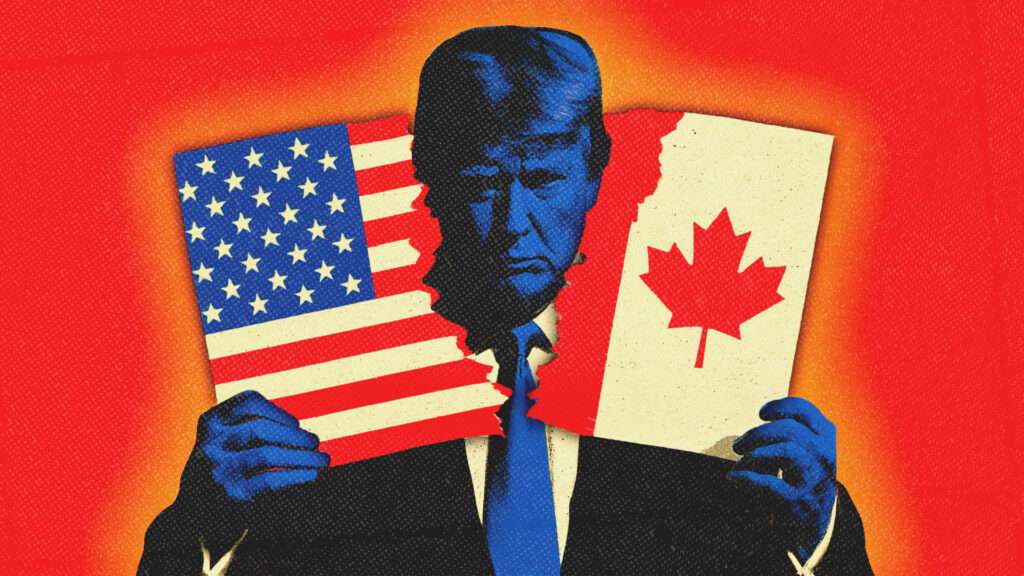
Donald Trump’s trade war and threats last week to make Canada the 51st US state were a fillip for Mr Carney in Alberta, a landlocked western province where Liberal prime ministers have historically been unpopular. The stakes were high: a successful separatist campaign would have handed Mr Trump leverage over Canada’s resource belt. The result instead lets Mr Carney cast Alberta’s mineral wealth as a national asset, rather than allow separatists to define it as a regional grievance.
Albertans were not offered a binding secession vote. They rejected the idea of beginning the process towards such a vote. The early result – roughly 75% against 25% – looks emphatic. For all the separatists’ talk of “success”, Albertans did not buy their tactical argument: that voting for a future referendum would strengthen the province’s hand against Ottawa. However, the sense of alienation in the province is profound: polls show that Albertans think most of the country does not respect the region.
Addressing that alienation has come at a worrying cost, both politically and environmentally. Mr Carney, who was raised in Alberta’s capital, Edmonton, made a series of pacts with the province’s premier, Danielle Smith. He agreed to back a new 1m-barrel-a-day oil pipeline and tear up environmental rules. Mr Carney has to deliver tangible gains, or else the sizable faction that supports separatism within Ms Smith’s United Conservative party will entrench itself and look for future opportunities to act.
Whatever replaces the “Let Alberta decide” movement will have an uphill struggle. In his book The Republic of Alberta, the journalist Tyler Dawson wrote that it has “no charismatic leader like René Lévesque, the suave, smoke-wreathed Quebec separatist who took his province to its 1980 secession referendum. There is no culturally entrenched canon of nationalist literature to fill Alberta bookshelves. The province has no unique language or race or faith that binds its residents together.” Yet victory this month for the Lévesque-founded Parti Québécois in provincial elections reveals that separatists can win power despite their raison d’etre being unpopular.
To those who witnessed the Brexit referendum, the Albertan poll offered a depressing rerun of nationalist gripes and political fantasy. The easy assurance that sovereignty can be recovered painlessly is wearily familiar. Keith Wilson, an architect of Alberta’s separatist movement, calling the task of founding a country “super easy” will prompt a sense of deja vu. Perhaps most importantly, Blackfoot leaders saying that separatists regarded treaty nations as a “speed bump” is a sign that the sovereigntists have not caught up with the fact that First Nations’ rights are belatedly being recognised as a critical part of Canada’s constitutional makeup.
Canada’s unity is a political achievement that is continually negotiated among regional interests, Québécois nationhood, Indigenous people’s rights, new arrivals and the continental pull of the US. Paradoxically, the insecurity that characterises Canadians keeps them in check – and holds the nation together. Or as one of the country’s most famous novelists put it: Canada is “not a country you love, it is a country you worry about”.
-
Do you have an opinion on the issues raised in this article? If you would like to submit a response of up to 300 words by email to be considered for publication in our letters section, please click here.






Leave a comment