
The Guardian view on booming poetry sales: Homer, meet the Instapoets | Editorial
 adminUpdated 1 hour Ago2 Mins read
In a short story called Career Move, published in the New Yorker in 1992, Martin Amis imagined a world in which screenwriters wrote for little magazines and earned a pittance while poets were global superstars. Amis’s story, a wonderfully ironic inversion of the time-honoured norm, was surprisingly prescient: the film and TV industries have been struggling, with screenwriters facing contracting outlets for their creations, whereas poets are now big business.
The Bookseller reported recently that poetry sales were at a historic high. Part of the increase can be attributed to Christopher Nolan’s film The Odyssey, which has made Homer hot: editions of The Odyssey and its prequel, The Iliad, have garnered almost £1m in book sales in the UK this year. (As well as valiantly trying to keep the ailing film industry afloat, Nolan has also created a craze for epic poetry.) But Nolan’s film does not solely account for the boom in poetry sales. Even without the Homer run, sales of poetry texts and anthologies were still up by 7.2% from what was historically already a very high base.
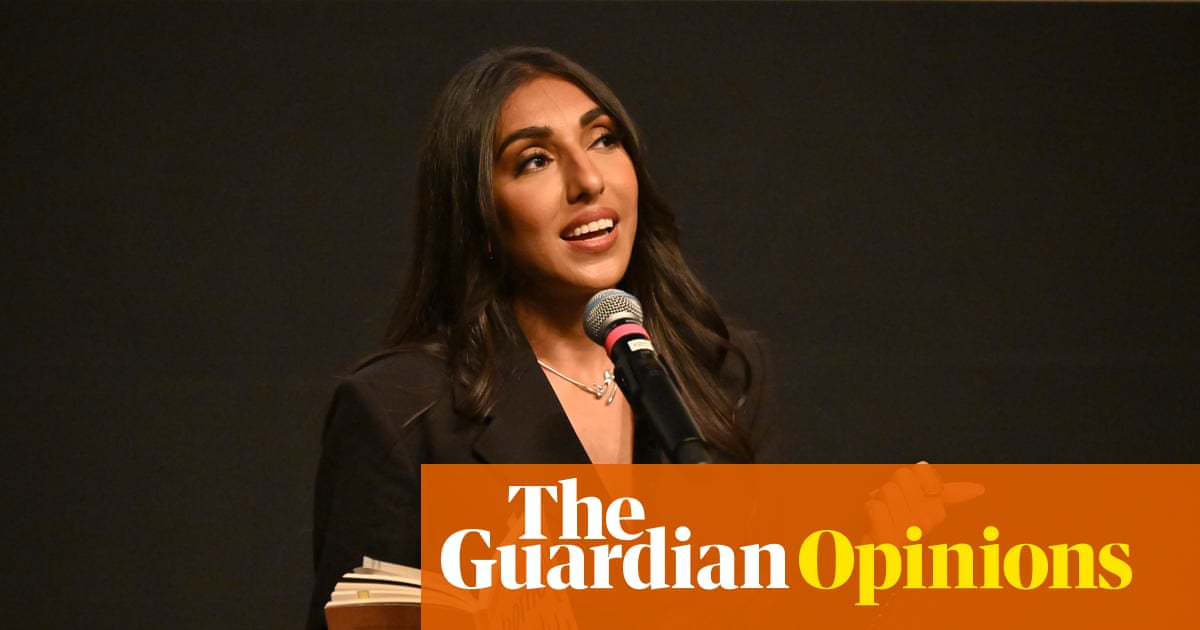
The poets leading the charge are not the traditional behemoths – Berryman and the Brownings, Marvell and Milton, Pope and Pound. These remain acquired tastes, read (if at all) in the beleaguered bowers and tottering towers of organised “Eng lit”. The publishing sensations fuelling the poetic sales surge are “Instagram poets” such as Donna Ashworth, Rupi Kaur, Amanda Lovelace and Lucas Jones, whose collection, I Still Believe in Miracles, has netted £400,000 in sales this year.
The appeal of this new generation lies in their directness. They want to be our new best friend. “Maybe you kinda feel how I feel,” says Jones in the introduction to I Still Believe in Miracles. The American poet Lovelace dedicates her 2022 collection, unlock your storybook heart (she eschews capital letters throughout), to “anyone who feels like they’ve yet to find themselves: i promise it’s not too late”. Lovelace advises readers to practise “self-care before, during and after reading”.
Critics dismiss such work as more therapy than poetry, and argue it should be filed under self-help. Since the emergence of Instapoetry online in the middle of the last decade, a fault line has developed among poets as well as critics. Rebecca Watts’ dismissal in a 2018 article in PN Review, a poetry journal, of poets such as Kaur, Kae Tempest and Hollie McNish as “artless and amateur”, laid bare the divisions. The Instapoets have now successfully migrated to print, but the arguments continue. Is this literature for a post-literate age, or a healthy riposte to canonical poets (mostly “male, pale and stale” in the eyes of their detractors)?
A corrective to the canon is no doubt overdue, and poets who appeal to a young readership beset by mental health issues should not be written off. But there are dangers. In June, Faber published Talking in Bed, a slim anthology of Philip Larkin poems in which there is a sense of Larkin being co-opted by the poetry-as-therapy movement. “He finds a way of admitting and delineating our nagging questions and most complicated feelings,” intones the blurb. The acerbic Larkin would not, one suspects, have appreciated this. Poetry should be allowed to be hermetic as well as accessible, and threatening as well as therapeutic.
-
Do you have an opinion on the issues raised in this article? If you would like to submit a response of up to 300 words by email to be considered for publication in our letters section, please click here.









Leave a comment