
The Guardian view on drilling in Jackdaw: a truly pragmatic approach would focus on Britain’s green transition | Editorial
 adminUpdated 2 hours Ago2 Mins read
This week a report from the UN Environment Programme concluded that holding global temperatures to a 1.5C warming limit – the centrepiece commitment of the Paris climate agreement – is no longer achievable. If the disastrous consequences of a significant overshoot are to be mitigated, it argued, governments must start delivering the short-term actions to meet long-term targets on reducing fossil fuel consumption.
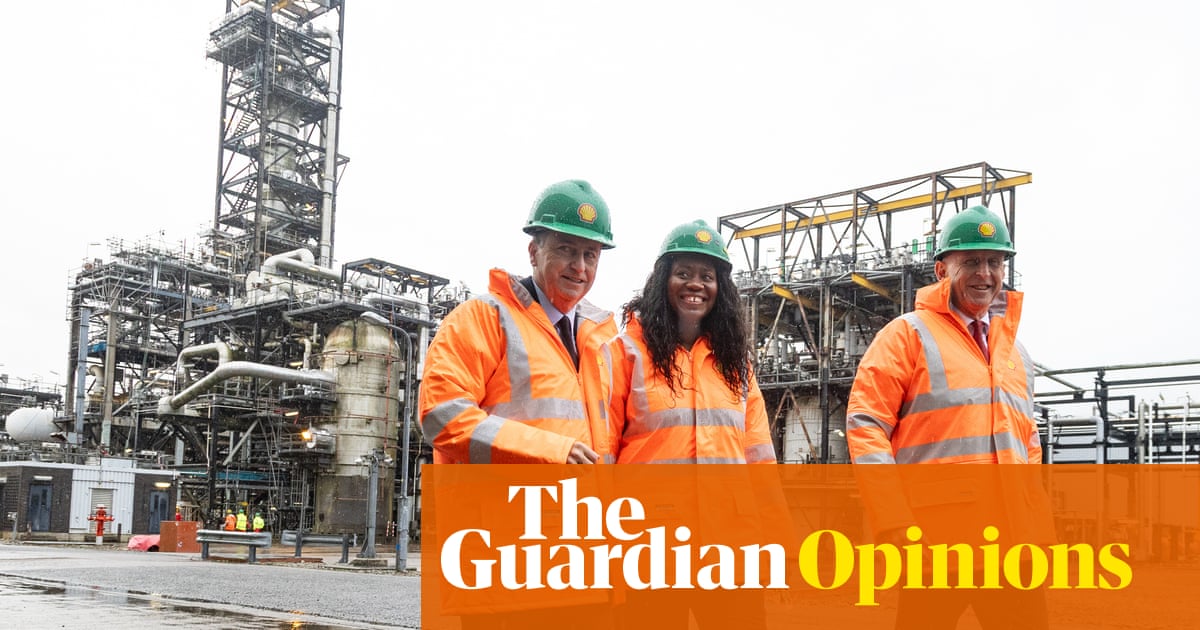
Disappointingly, Andy Burnham and his energy secretary, Miatta Fahnbulleh, took a different view of short-term priorities on Wednesday. Before the November Cop summit, where regaining lost momentum on climate action will be crucial, their decision to approve new drilling in the Jackdaw gasfield sent a dismal signal. The prime minister justified it as a pragmatic move “at a time when people are really struggling”. But the pragmatic arguments don’t stack up.
Going ahead with Jackdaw will have no impact on bills this winter and little in the longer run. It will deliver only a small number of jobs for a very limited period. Tax revenues from new drilling will be substantially negated by the various concessions and breaks enjoyed by the oil and gas industry. Claims that Jackdaw will enhance the UK’s national energy security are hugely overblown, given that it will satisfy a mere 2% of national demand. The country’s heavy reliance on natural gas imports will remain unaltered.
So why? Mr Burnham would doubtless have preferred not to be landed with the judgment call on either Jackdaw or the much larger Rosebank oil and gas field (on which an announcement has yet to be made). Both were already in the licensing system, having been approved by Rishi Sunak as he sought a dividing line with Labour. A successful legal challenge meant the final decision fell in the present prime minister’s lap.
On Jackdaw at least, Mr Burnham appears to have judged that political expediency, particularly in Scotland, was best served by waving it through. A failure by governments to invest gamechanging sums in the green transition has made the politics of net zero more fraught. The recent Tory byelection victory in Aberdeen South followed a campaign focused on reviving oil and gas production in the North Sea. One of the first acts of Scottish Labour’s new leader, Michael Marra, has been to back both the Rosebank and Jackdaw developments.
Mr Burnham inherited this complicated set of circumstances. But rather than rubber-stamping a regressive rearguard action by the fossil fuel industry, he should be using his rhetorical gifts to make the pragmatic case for Britain’s green energy future. As research by the E3G thinktank has laid out, the dubious benefits of drilling for disappearing oil and gas reserves are dwarfed by the potential economic impact of insulating Britain’s homes and investing in heat pumps. The government’s warm homes plan, it estimated, would significantly reduce household energy bills and generate 50,000 new jobs. Yet Ms Fahnbulleh is reportedly under pressure to find cuts so spending can be diverted to defence.
The best way to achieve energy security, back British workers and bring down bills – the three imperatives identified by Mr Burnham in his statement on Wednesday – is to invest ambitiously in the country’s climate goals. Proceeding with Jackdaw does not, in itself, signify a prime ministerial reluctance to do that. But this decision suggests there are grounds for concern about which way the wind is blowing in Downing Street.











Leave a comment