
The Guardian view on political donations: Labour should curb the power of big money | Editorial
 adminUpdated 54 minutes Ago2 Mins read
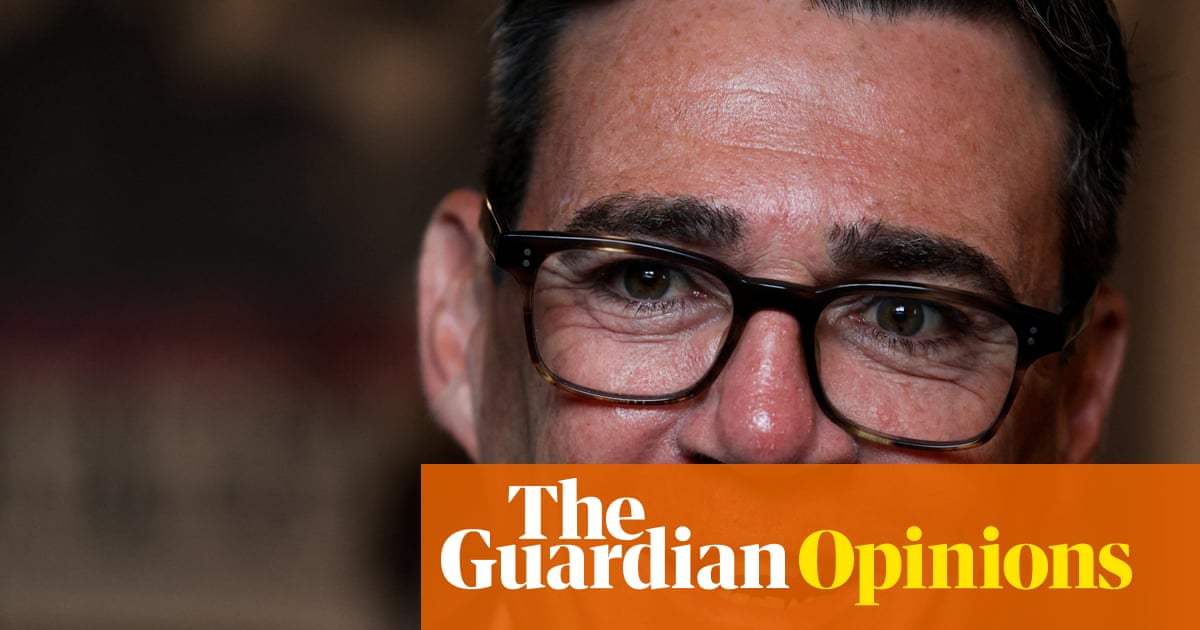
On the campaign trail in Makerfield, Andy Burnham told a democracy activist that he favoured a political donations cap of around £500,000 and wanted it reduced over time. His government is now resisting amendments that would move in precisely that direction. Mr Burnham was right in May. He is wrong now. It is difficult to argue that restricting a single person to giving half a million pounds a year to a political party would damage democracy. Such a cap would only affect the mega-rich. Reducing the cap would force parties to wean themselves off the present regime that allows the rich too much say.
There are two contra arguments swilling around Labour. The first is that there should be room for wealthy, progressive donors – whose cash helps rebut claims that Labour is in the pocket of the trade unions. The second is the warning from unions that a cap could undermine their ability to contribute to the Labour party.
Neither of these arguments holds much water. Whatever benefit Labour might derive from rich friends is dwarfed by the wider damage caused by parties being bankrolled by a few rich individuals. Mr Burnham has registered £345,000 of donations over the past year, including £164,000 from billionaire Lord Sainsbury. In comparison, Thai-based crypto billionaire Christopher Harborne gave Reform UK a single £9m donation in August 2025 – a sum which exceeds the £8m in trade union donations that Labour will get this year.
The timing makes Labour’s retreat baffling. This newspaper’s revelation of Nigel Farage’s undisclosed £5m gift from Mr Harborne in 2024 has turned big money in politics from an abstract concern into a live issue. Reform’s support has fallen markedly in recent months.
Mr Burnham could recover the situation by backing amendments from two Labour MPs. Stella Creasy’s changes, which have cross-party support, start with a £500,000 cap – Mr Burnham’s own figure – before reducing it, while allowing parliament to alter the level. She proposes to exclude trade union political funds, recognising that money aggregated from thousands of members differs fundamentally from a donation controlled by a single billionaire or company. The former represents many individual contributions; the latter concentrated economic power. Unions warn that a cap might restrict their political activity. But Ms Creasy explicitly protects their member-funded campaigning cash. Opponents should explain why that safeguard is inadequate.
Anneliese Dodds, a former Labour cabinet minister, asks the right question: if ministers believe the growth of big money in politics is a risk, why retain the Conservatives’ sharply increased election spending limits? A donations cap limits how much concentrated private wealth can enter party politics; lower expenditure limits reduce how much money parties need to raise in the first place.
Instead of backing these measures, tabled as amendments to the representation of the people bill at next week’s report stage vote, ministers are pressing ahead with elaborate rules governing where political money comes from and how it reaches parties. Yet this year’s Rycroft review, which ministers are responding to, urged parliament, “if it wishes to restore confidence in the political process and to keep big money out of UK politics”, to consider spending limits. Given the scandals of recent years, it is astonishing that Labour is declining to regulate how much political influence any single wealthy donor can purchase.
-
Do you have an opinion on the issues raised in this article? If you would like to submit a response of up to 300 words by email to be considered for publication in our letters section, please click here.



%202%20-%20HOSHINOYA%20Tokyo.jpg "39 Best Hotels in Tokyo for Ryokan Stays and High-Rise Views")





%202%20-%20HOSHINOYA%20Tokyo.jpg)


Leave a comment