
The Guardian view on rough sleeping: Burnham’s laudable target is in danger of being missed | Editorial
 adminUpdated 4 hours Ago2 Mins read
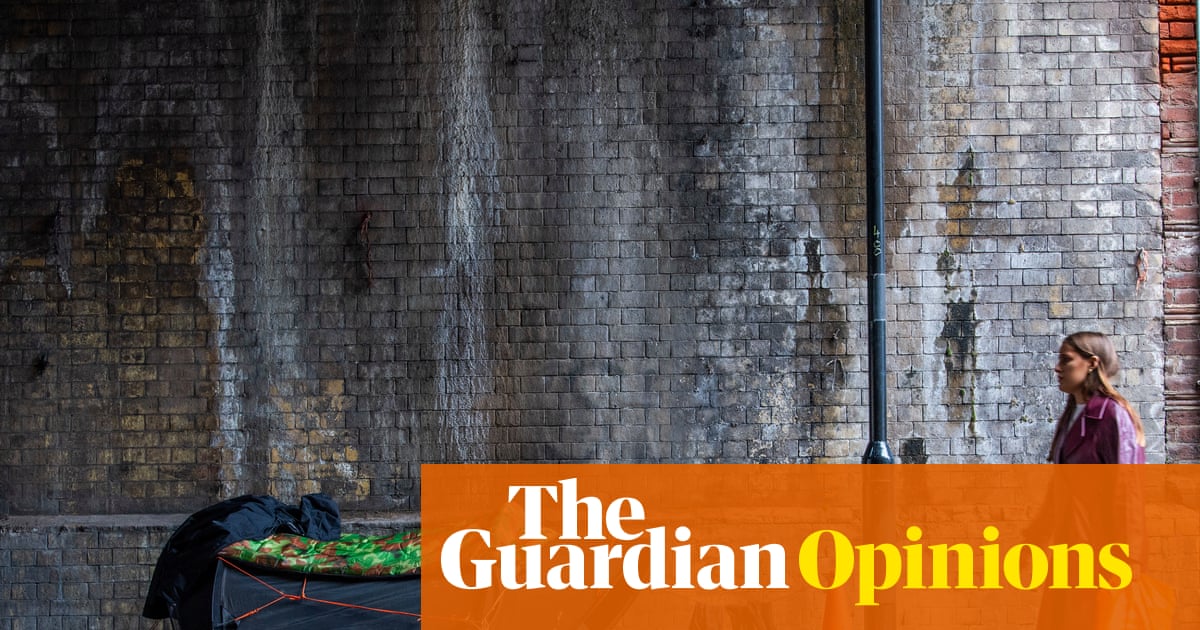
Bringing an end to rough sleeping was among Andy Burnham’s first pledges after entering Downing Street – as it was when he became mayor of Manchester. With temperatures dropping, and frosts expected, winter night shelters across the UK are up and running. But an ongoing acute shortage of suitable housing and the latest tranche of early prisoner releases mean ministers know that the prime minister’s laudable target is in danger of being missed.
The official figures are shocking. There were 8,748 rough sleepers in England in June, an increase of about 1,000 since January (Wales, Scotland and Northern Ireland collect data separately). These are among the most vulnerable people in society, both in terms of past experiences and future prospects, including drastically curtailed life expectancy. The complex and sometimes chaotic situations of people who end up on the streets, most of whom are men, mean that helping them is challenging. Family breakdown, substance misuse, mental health difficulties and prison are among the many adverse life experiences that rough sleepers are disproportionately likely to face.
But the problems of councils and charities are made far worse by the fact that this visibly distressed group is only the tip of the homelessness iceberg. While rough sleepers are the most obvious victims of the UK’s homelessness crisis – which is national in the sense that it affects all four nations, but varies enormously between places – they are a small minority of the total number who cannot find or afford to rent (let alone buy) their own home. The latest count of families in temporary accommodation such as B&Bs and hostels in England, in March, was 135,600 – 90% more than a decade ago.
Mr Burnham’s personal commitment to rough sleepers has seen a big increase in funding, to almost £900m next year. This ought to enable councils, and charities providing local services, to make plans that go beyond the expansion of winter shelters, or hostel places, to meet the immediate goal of getting “everyone in for Christmas”. People with mental health, addiction or other issues need support and treatment that goes further than a roof over their heads. The spike in rough sleeping is a reflection of housing affordability problems, but also of a lack of the other services that enable fragile, vulnerable people to manage their lives.
Manchester’s “A Bed Every Night” scheme saw rough sleeper numbers fall, then climb back up – partly because it could not keep pace with the pressures pushing people on to the streets. Helping people to rebuild their lives takes sustained effort. Charities rightly warn that prison releases add to councils’ burdens. Probation and housing services must work together: freeing people from jail to sleep on the street is the act of a dysfunctional system. But no scheme, council or charity can find homes for people if those homes don’t exist, or are priced beyond their reach. That requires a mix of more social housing, rent controls and housing allowances that meet reasonable costs. It also means confronting policies that generate homelessness.
-
Do you have an opinion on the issues raised in this article? If you would like to submit a response of up to 300 words by email to be considered for publication in our letters section, please click here.








Leave a comment