
The media environment has changed. Maybe that’s all right.
 adminUpdated 12 minutes Ago3 Mins read
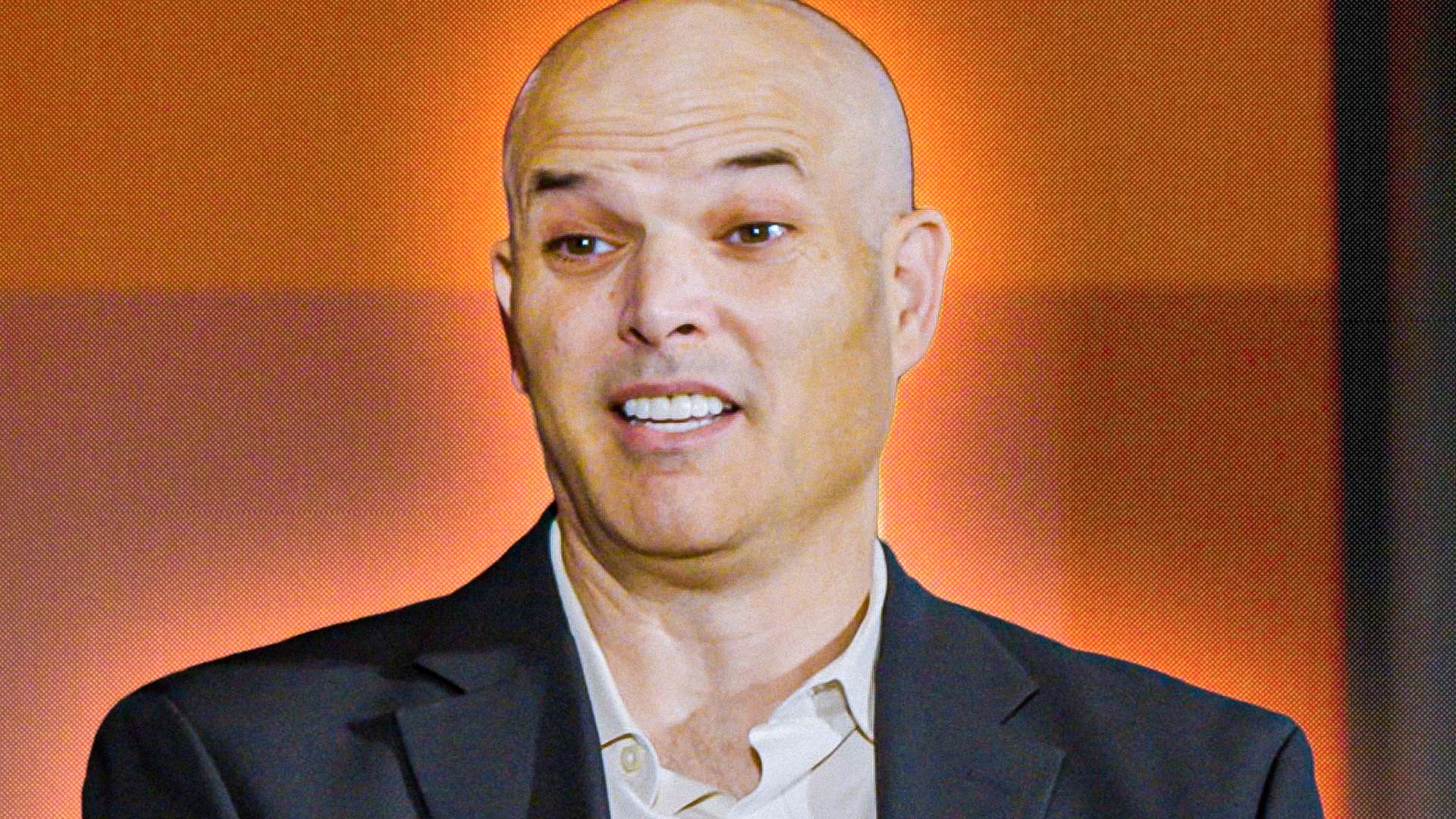
People don’t trust the mainstream news like they used to. In 1976, 72 percent of Americans told Gallup they had “a great deal of trust” that the mass media was “reporting the news fully, accurately and fairly.” In 2026, the number was just 33 percent.
In a recent interview with Reason‘s Nick Gillespie, investigative journalist Matt Taibbi argued that journalists have lost touch with much of America and that this explains a lot of that drop.
The industry does indeed draw on a narrower slice of the country than before: A 2022 survey by The American Journalist found that 96 percent of journalists held bachelor’s degrees, up from 58 percent in 1971. Journalism “became a status job,” says Taibbi.
What’s more, a larger share of journalists live and work in just a handful of coastal cities. Internet-based publications have largely replaced print newspapers, slashing the availability of journalism jobs in rural counties. Educated urbanites may represent a growing portion of America, but they do not represent everyone, and that may have an effect on people’s trust.
At the same time, the internet has made it possible for independent journalists to share their stories on social media platforms. Major news organizations themselves get increasing amounts of traffic from social media posts. Data from the Reuters Institute show that social media is now the most used news source, with 56 percent of Americans getting their stories from it any given week. Even as media consumers have been alienated from mainstream media, consumers have found it easier to seek news elsewhere.
Much of this is exciting. Social media has democratized information, cutting against the oligopoly a handful of heavily regulated broadcasters held in the 1970s. Independent journalism has exploded, and a 2025 study by Change Research found that people trust “independent or online journalists” to report “what is happening” more honestly than national news organizations.
Yet news hosted on social media can be at risk of government strangulation, though not in the same ways that state-licensed broadcasters are. In a social media environment where five or so companies own the biggest forums, the state can try to control the discussion by pressuring the companies.
“The model that everybody is going for is a government agency that makes a recommendation to private companies,” says Taibbi. “The companies then do the censoring.” This is called jawboning. It was seen during the COVID-19 pandemic, when federal health officials were in constant communication with major social media firms such as Twitter, flagging and reporting content that was deemed “misinformation.” Taibbi’s own reporting revealed that the FBI also jawboned social media firms, mostly related to posts that supposedly undermined “election integrity.”
But not all online platforms are equally likely to submit to censorship efforts. Taibbi specifically credits Substack for standing up to jawboning. “It’s gonna take a company that’s willing to put up with [government] petitions” to stop this new wave of censorship, he says. Another possibility, not raised in the interview, is open platforms where you don’t have to worry in the first place about how the corporate leadership might bend to censorship.
Substack also gives space for long-form writers to enter the media market. That does not automatically mean more trust in the news, and it does not automatically mean more factual reporting. But a lower barrier to entry allows a broader, less elite-focused news marketplace.
It also allows more firsthand and personal content. The 2026 midterms saw livestreaming pick up steam, with socialist commentator Hasan Piker’s Twitch stream peaking at 241,783 concurrent viewers. The January 6 riot at the U.S. Capitol was watched by thousands of Americans firsthand as participants livestreamed it. Millions of young people watched on social media as the Israeli military bombarded Gaza, even developing parasocial relationships with local reporters. That may help explain why younger people—who use social media more—are more hostile toward Israel than previous generations. It certainly gives them more room to express their opinions on the subject.
Substack has grown a staggering amount over the past few years, with over 47 million monthly unique users recorded in September 2025. It is hard to compare that number to traditional media readership, but given the trend, especially among youth, independent internet-based reporting sure seems to be the future of news media.
People are naturally suspicious of new technologies and changing circumstances. In his conversation with Taibbi, Gillespie pokes fun at this culturally conservative mindset, joking, “Jump cuts on MTV destroyed the kids’ ability to read Moby Dick.” But this new media environment can be freer and more diverse than the old order. Contemporary news consumers aren’t dumb. They just want different options—and the internet is making those options available.






Leave a comment