
The one change that worked: At 21, I was terrified of seeming ‘cringe’. Then I rediscovered my inner child | Life and style
 adminUpdated 24 minutes Ago3 Mins read
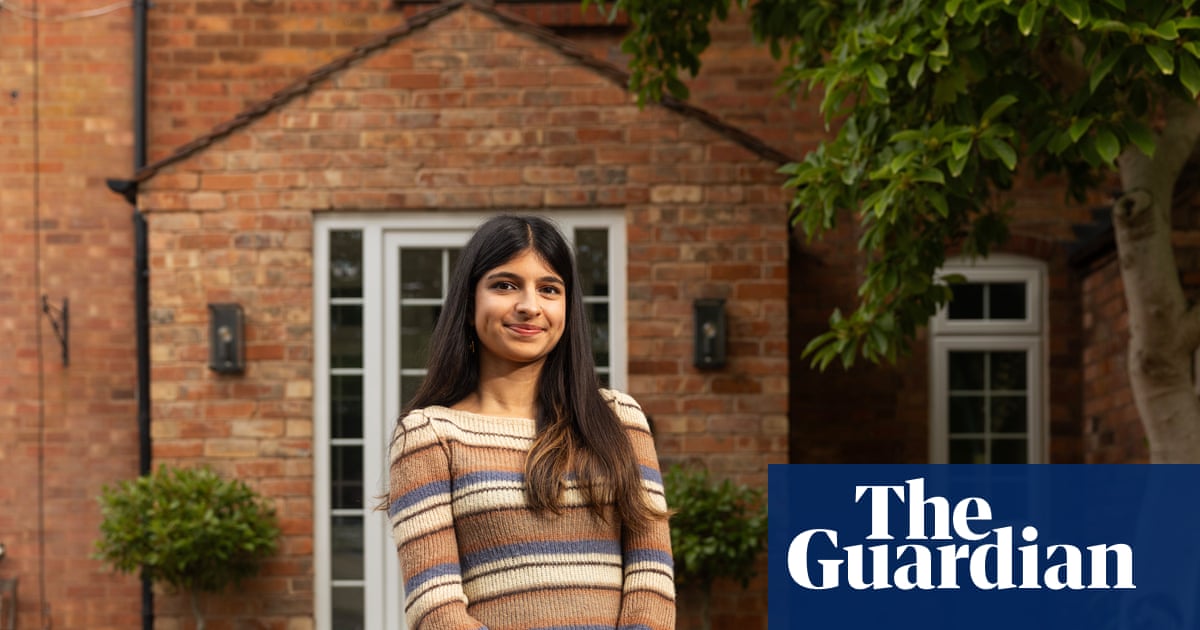
I’ve always been a perfectionist. As a student, I have spent months worrying about assignments long after submitting them, and criticised myself over tiny things such as making spelling mistakes in birthday cards. When I speak to friends or strangers, I’m so focused on not saying the “wrong” thing that I forget to enjoy chatting with them.
As part of gen Z, I know there is a wider culture of fear among my generation: I’m not the only one worried about doing or saying something that is embarrassing or, God forbid, cringe.
In avoiding mistakes, it struck me that I had become afraid of doing anything at all. I’ve abandoned hobbies I used to enjoy, such as writing poetry, because I worried it might be seen as “naff”. I stopped playing the violin because I didn’t want to make a fool of myself when practising in student halls.
As I turned 21, I realised that I didn’t want to carry this mindset with me for the rest of my life. The solution came to me unexpectedly one night over dinner with friends, when we began scrolling through photos and videos of our childhood. After the initial hilarity about our poor fashion choices and bad camera angles, I noticed something I had forgotten: my younger self had a remarkable sense of freedom.
Four-year-old me wore bright green socks with pink sandals without worrying about making a fashion “fail”. When, at the age of seven, I wrote songs with my brother and cousin, we didn’t aspire to write a hit single, but just enjoyed the process of creating something together. I began to wonder whether the best antidote for perfectionism in adulthood was to revisit the time before it existed.
Soon, whenever I caught myself being critical or avoiding things out of fear of making a mistake, I began to think about what my younger self would make of the situation.
When I moved to Copenhagen for a year abroad in 2025 as part of my university degree, cycling everywhere – as Danish people do – felt like a terrifying, insurmountable hurdle. Despite familiarising myself with the rules, I was worried about navigating busy traffic, and almost gave up on it altogether. Then I remembered how I’d learned to ride a bike much later than most of my classmates. When I was 10, cycling didn’t come naturally to me, but I kept trying because making mistakes never felt like a reason to give up.
I realised that if this version of me knew that I was even considering cycling abroad, she would be so excited. I started on quiet streets near my accommodation, before gradually exploring the whole city. Instead of expecting myself to be perfect, I just enjoyed the experience.
A similar shift happened with my friends. Because they are all so smart, I often overthought things I said in conversations with them. But remembering the 10-year-old version of me, who always felt slightly out of place but hoped for a group of friends that would feel like my family, suddenly made just being with them feel like enough.
I also began to use music to connect with my childhood self, rediscovering songs that my dad used to play in the car when I was young. The Sun Always Shines on TV by a-ha became the soundtrack to my life during the cold Danish winter, and when I played it to my friend in Amsterdam a few months later, she told me it was also one of her childhood favourites.
We can both sometimes feel self-conscious when we go out clubbing, but with a-ha playing through the speaker, we could dance on her balcony without worrying about looking silly. In that moment, letting go of perfectionism felt easy.
The more I let my younger self back into my life, the less power perfectionism seems to have over me. Realising that I am not just achieving but surpassing the small dreams she once had has reminded me to stop measuring every moment against my impossible standards. As a teenager, I thought that becoming an adult meant leaving my childhood self behind – but now I can’t wait to bring her along for the ride.












Leave a comment