
Traitors’ Stephen Libby on fashion: need some thrifty tailoring? Try your local dry cleaner | Men’s fashion
 adminUpdated 1 hour Ago3 Mins read
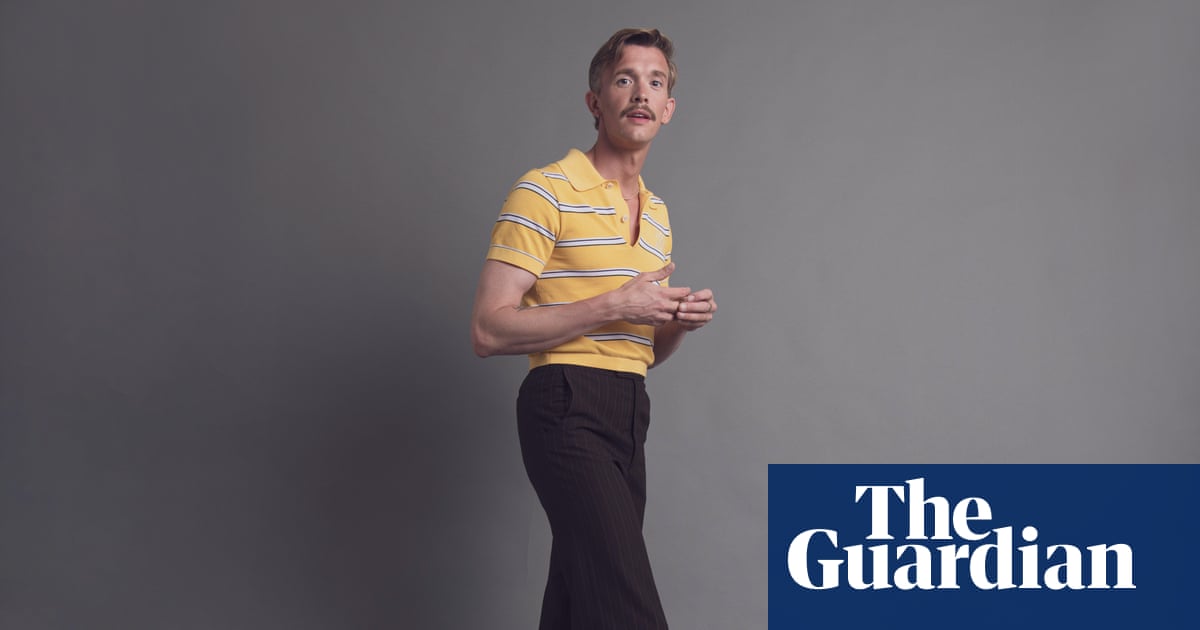
When I started shopping in vintage stores, I fell into the trap of thinking that if something wasn’t in my size there was nothing to be done. I’d still buy beautiful shirts that were huge, but never end up wearing them. I persevered with trousers that were three sizes too big and just scrunched in the waist with a belt, but it didn’t look good. Now I know that a belt is an accessory, not a necessity; it’s there to heighten the garment, not hold it up. And that’s because I have finally understood the power of tailoring.
Tailoring seems out of reach for most people, but more often than not a dry cleaner will be able to take in a waist or do the hem, which would set you back £30 max. And I mean, how much would you pay for a perfectly fitting pair of trousers?
I started with a few items in my wardrobe that I loved but hadn’t been able to wear, and I suggest you do the same if this is your first go. You already know you love it, and you’ve already paid for it, so the incentive is there.
The first thing was a pair of trousers I hadn’t worn in years. The dry cleaner took me out back, measured me and made me try the trousers on. All they needed was to take down the hem. This happens a lot to me as I have long legs and a lot of trousers sit around my ankles. In the Outer Hebrides, we say it looks like your cat died because your trousers are flying at half mast. The good thing about vintage clothing is that it often has generous hems. The dry cleaner just pinned in the waist, tightened it round my bum, and two days – and £20 – later I had a new pair of trousers.
You don’t just end up with a piece of clothing in your size, you end up with something specifically for your body. Who among us is an exact high-street size anyway?
Alterations was more common in the 80s and 90s. People always had the sewing machine out and altering clothes was the norm. If we don’t know how to do it ourselves, I think we should make peace with the idea of outsourcing that to someone else. To that end, it’s worth checking the hems, the waistband and for extra fabric on the seam down the bum. If you take an item of clothing and look inside, it’s easy to assess if it has already been altered. I had another pair of trousers where you could see 4in of fabric had been taken in round the waist, so I took them in to be tailored again – boom, another pair of perfect trousers.
I always get shirts tailored when I want something smarter to sit under a suit (they can easily take them in at the side). I also love cropped jackets. One of my favourite alterations is a suit jacket cropped into a bolero-style shape that sits just above the hip. It’s not just about adapting something to fit, you can actually create a whole new look. I once got a jumpsuit almost entirely rebuilt – they had to remove the zip, cut the torso and shorten it – and it cost £80. But it was worth it.
after newsletter promotion
A few things I’ve learned along the way. I don’t safety pin things before I go in. I simply go and get them to measure me. Find someone you trust. They’ll get to know your style and shape. It’s intimate, but you can form a relationship. I now go once a month. I would also recommend not cropping your own clothes using wonderweb. I did this with a lovely jacket. It held together for the wedding I was going to, but when I took it to my dry cleaner they were pretty horrified that I’d tried to “web it”. They ripped it off without a word and altered it properly.
Obviously I care about the planet and try to make sustainable choices, but I’m not telling people to tailor vintage clothing from up on my soapbox. The onus to do better is on larger corporations, not consumers. I’m just trying to get people to realise they have more choice in vintage shops than they think.
Styling: Sam Deaman. Styling assistant: Charlotte Gornall. Trousers, £30, Beyond Retro. Polo, £160, Mithridate. Necklace, £230, and ring, £215, both Serge Denimes. Trainers, £150, Onitsuka Tiger









Leave a comment