
U.S. Forest Service cracks down on wilderness TikToks
 adminUpdated 20 minutes Ago3 Mins read
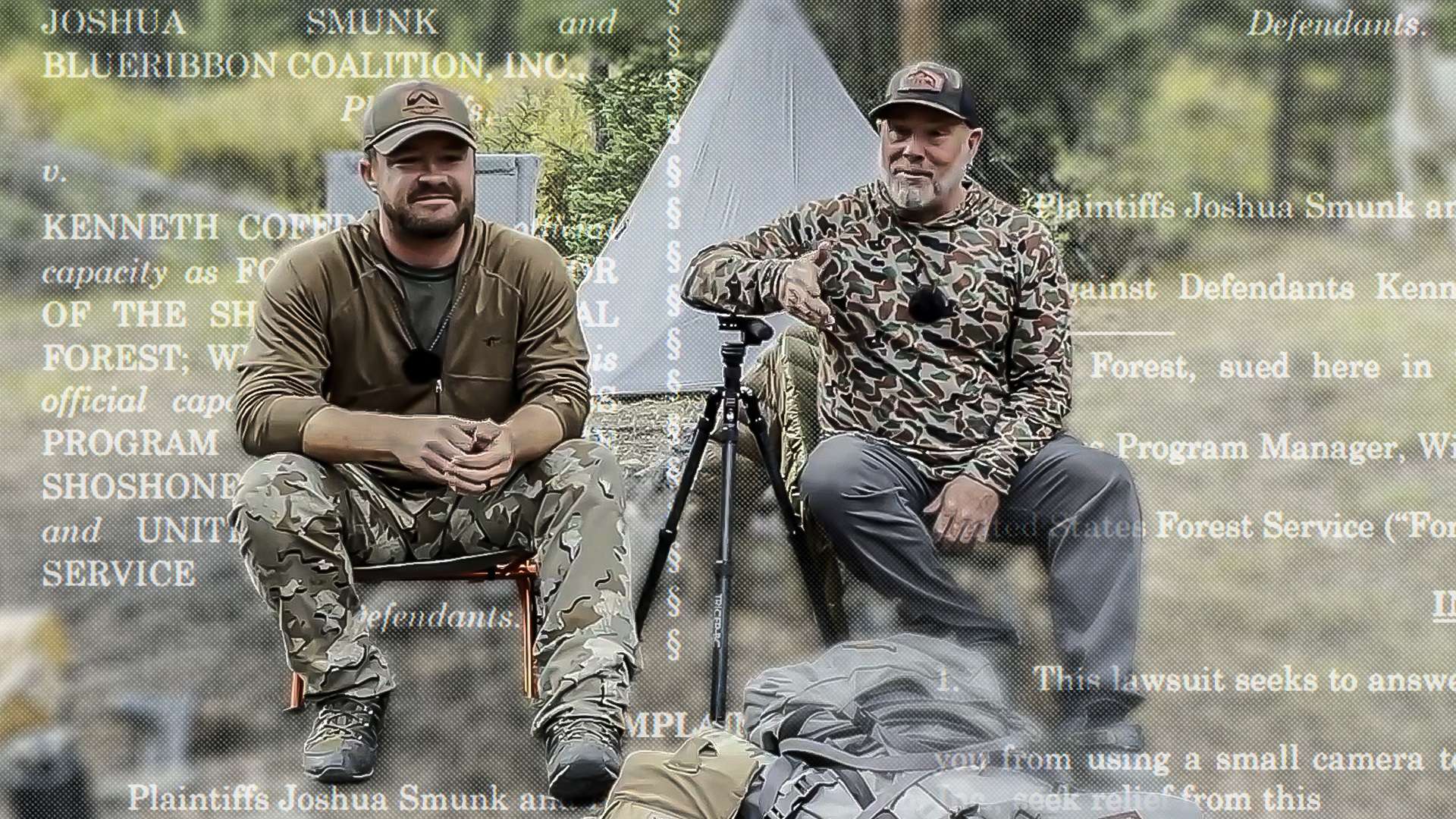
Sitting in camp in the lush Shoshone National Forest, Josh Smunk appeared on the PEAX Thrive Vodcast with Mark Livesay in September 2025. The two men enthused about taking down the first bull of their 14-day elk hunt and their encounters with grizzly bears, black bears, and wolves. A lone llama grazed behind them.
“We’ve got llama rentals now,” Livesay says in closing. “So if you’re interested in family, summer, corporate, those types of trips, we’re going to be doing those with all of our llamas as well.” A self-described wildlife enthusiast and entrepreneur, Smunk owns and operates Hooves, Horns, and Hideaways, offering llama rentals and pack llama training to other wilderness explorers near Clark, Wyoming.
Six months later, during a meeting to discuss his questions about obtaining a special permit for llama tours in Yellowstone National Park, two uniformed U.S. Forest Service law enforcement officers confronted Smunk, telling him the vodcast with roughly 1,800 views is forbidden under federal law. For his appearance in the video without a commercial film permit, Smunk could face up to a year’s imprisonment, a $100,000 fine, and a ban on using public lands.
Even the videos on his personal Instagram account, currently with just over 1,200 followers, are prohibited, according to the officers. “He said, ‘That’s illegal,'” Smunk recounted during an interview with Reason. “Even if it’s just a video that me and my family took while we were on a trip…that’s illegal commercial filming without a permit.”
Smunk didn’t receive any charges at the time, but said, “It feels like they were trying to scare me off.”
Perplexed over how, exactly, posting his personal videos enjoying the wilderness could land him in jail, Smunk sought further clarification. “Bottom line is no commercial filming in the wilderness,” a Forest Service employee wrote in a follow-up email to Smunk reviewed by Reason. “You can film BUT [it] has to be for your personal use….You can not monetize thru ‘clicks’, etc. As people post these types of ‘commercial’ filming products, and we find them, we do go after them.”
Such a sweeping surveillance policy has serious implications for anyone daring to post video of themselves enjoying any of America’s 803 wilderness areas. Recognizing this, Smunk filed a federal lawsuit challenging the U.S. Forest Service’s policy. “Millions of people film themselves in the outdoors every day,” including in wilderness areas, according to Smunk’s federal lawsuit, filed with the help of the Texas Public Policy Foundation, a nonprofit with a mission to defend liberty, personal responsibility, and free enterprise. “Some of them subsequently upload those videos to YouTube and other internet sites,” the complaint continues. “Little do they know that, if they make one penny off that content, they are violating a federal statute.”
And the video doesn’t even have to be your own to put you at risk. For merely appearing in someone else’s monetized video, Smunk was told he’d violated the Wilderness Act of 1964, which prohibits any “commercial enterprise…within any wilderness area.”
Enacted to preserve the “character” of nearly 112 million acres of America’s public wilderness, the legislation was passed to protect these areas from “the rapid encroachment of automobiles and their infrastructure,” according to The Wilderness Society, a group heavily involved in the original drafting of the Wilderness Act. Indeed, the prohibition on “commercial enterprise” appears in the same section banning “permanent or temporary roads, mechanical transports, and structures or installations” within wilderness areas.
Today, however, commercial activity doesn’t require roads or heavy machinery, but merely a handheld device that has little to no impact on wilderness areas. And by expanding the definition of “commercial” far beyond the legislation’s original intent, and beyond the Forest Service’s jurisdiction, the agency is possibly running afoul of the Constitution.
“Congress never intended for federal agencies to adopt commercial-filming regulations that would reach every person with a smartphone, or that would come to meaningfully suppress core First Amendment expression,” writes the complaint.
Smunk said people in the hunting industry frequently hunt in wilderness areas and post videos on YouTube, and yet officials at the Forest Service told him they’ve granted only one commercial film permit in the last 25 years.
As a lifelong outdoorsman who went to college for natural resource management, Smunk said he appreciates the Forest Service and the legislation meant to protect the wilderness. “I think we absolutely need them, and I hate that it’s come to this,” said Smunk. “But it does seem unfair, and it seems like something that needs to change.”
“The Wilderness Act is great, but I think it’s old, and I think a document like that needs to adapt over the years,” Smunk continued.
Ultimately, Smunk hopes his lawsuit will help bring clarity to the laws governing the wilderness areas he loves and put his mind at ease while he continues to grow his business. “I don’t want them to be able to use this against me ever again.”






Leave a comment