

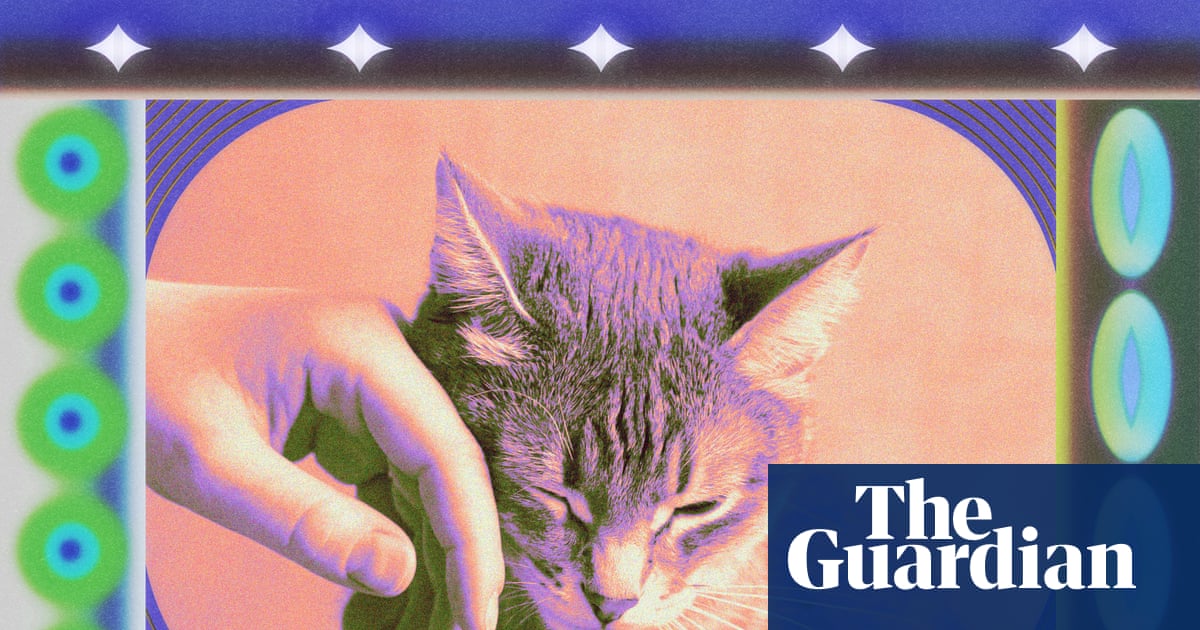
The idea of making a will may be uncomfortable, but routine. Ensuring that your family and estate is taken care of is a kindness. But there’s one thing clients often aren’t sure how to handle, says Azriel J Baer, a trust and estate attorney at New York-based law firm Farrell and Fitz: what will happen to their pet.
Sometimes, “somebody wants to set up a trust with substantial money in it”, he said. But more typically, the client wants to ensure “the right person” gets the dog or cat – but has no idea how best to do it.
As the person in charge of your pet’s livelihood, you can (and should) try to get something on paper that makes sense.
“Pets rely entirely on human care. Without a plan, they face stress, shelter, surrender or unnecessary euthanasia during an already chaotic time,” said Peter Klein, the founder of the therapy referral website Seek a Psych and a London-based cognitive behavioral therapist in private practice.
According to a report from Best Friends Animal Society, a non-profit advocacy group working to achieve no-kill statuses for shelters around the United States, 12.4% of the 4.74 million cats and dogs that entered the shelter system in 2025 ended up there due to owner illness or death.
With a little bit of planning, experts say you can provide for a beloved pet’s care after you’re gone.
Conquer your fear of the topic
One of the reasons many people put off this task is simple: fear. When Klein works with clients who are facing the end of their life, identifying the big feelings is the first step. “Start by naming it,” he said. “You are not being morbid and you are not being dramatic. That feeling is usually anticipatory grief and it needs saying out loud before it can be acted on.”
Taking care of your own emotional needs will set you up to think about your pet’s needs. In Klein’s experience, “underneath all of it is usually something simpler. This animal has been the one steady relationship through a very bad time, and the person cannot bear the thought of it waiting by the door.”
The main mistake people make “is focusing on the emotional connection, and on the need to keep the animal close, without thinking about what the animal actually needs day to day,” he said.
Think about it sooner rather than later
Chances are your friends and family know how important your pet is to you. But that doesn’t mean someone will step up and give your beloved St Bernard a new home.
“Assuming a sibling or child will take a pet often leads to pets ending up in shelters, given away or simply abandoned,” said Jennifer Townes, an Oregon-based trust and estate attorney at T Leo Law.
Have the conversation, even if it feels awkward, said Baer. This will help you figure out who would actually want the responsibility. “You want to make sure it goes to the right person,” he said.
Specificity matters, too. “Some people name specific animals that they want to go to this trust or to a person,” Baer said. And circumstances can change. If you make provisions for Whiskers in your will, but he dies and you get another cat, the new pet is only protected if the language in the will is specific. To cover your bases, you can refer to “any pets that I have at the time of my death”, Baer says.
Pick a trusted person
Picking the right person to take care of your pet is crucial.
“Choose someone who will genuinely say yes,” said Klein, not someone who might say yes in the moment to please you or get out of the conversation.
Be clear and open about what the pet will need and make sure that the person truly consents to the responsibility. Give them some time to think the decision over.
Make a legal plan
Your sister may swear she’ll tend to your pet after you’ve gone, but a spoken agreement is not legally binding.
“Telling a neighbor, ‘If anything happens to me, take Max,’ creates no legal obligation,” Townes said. “After death, family members or executors can refuse to hand the pet over, or your neighbors can conveniently forget their earlier promises.”
A legally binding document gives you and your pet more security.
If you have designated a caretaker, you can make “a provision in your will in which you leave your pet to the care of that person”, said Baer. This is the bare minimum of legal protection for your pet’s care. “All the specifics are then just left up the individual,” Baer added.
However, according to the Animal Legal Defense Fund, wills are intended for property and asset distribution, and pet provisions may not always be legally enforceable.
If you’re not specific enough, issues can arise. “Leaving cash to a relative to take care of a pet in a standard will means the relative can take the money, take the pet to a shelter the next day and legally keep every penny,” Townes said.
Even better is a pet trust. “All 50 US states and the District of Columbia explicitly allow the creation of a legally binding pet trust in some form, for the benefit of pets after their owner’s death,” Townes said. You can tailor the specifics, including care instructions and, crucially, the money needed to subsidize that care. A pet trust contains money that is managed by a trustee, who is then responsible for paying a caregiver for the pet’s needs. “Money is the part people skip,” Klein said. “Vet care is the real cost, so a sum set aside matters more than good intentions.”
Including a backup option in the document will be useful if the designated person is no longer able to take on the responsibility, Baer said.
What can happen without a detailed plan
Careful planning can avert crisis. “If an animal is valuable – like a purebred horse, breeding dog or rare bird – heirs might fight over who gets to sell it,” said Townes.
Baer, who works with high-net-worth clients, said leaving a big chunk of change without being extremely specific about its disbursement can lead to issues down the line. When hotel and real estate scion Leona Helmsley died in 2007, she left $12m million to her dog, Trouble, effectively cutting her family off from their inheritance.
“If you’re excessive, the court can claw that back,” Baer said. When some of Helmsley’s grandchildren challenged the will, the court reduced the amount left in trust to a more reasonable $2m.
Regardless of how you handle it, just remember that this kind of planning is meant to benefit your pet. “The animals do not know they are in a story about death,” Klein said. “They only know whether the person they trust turns up.”








Leave a comment