
Arizona slams the brakes on automated traffic enforcement
 adminUpdated 2 hours Ago2 Mins read
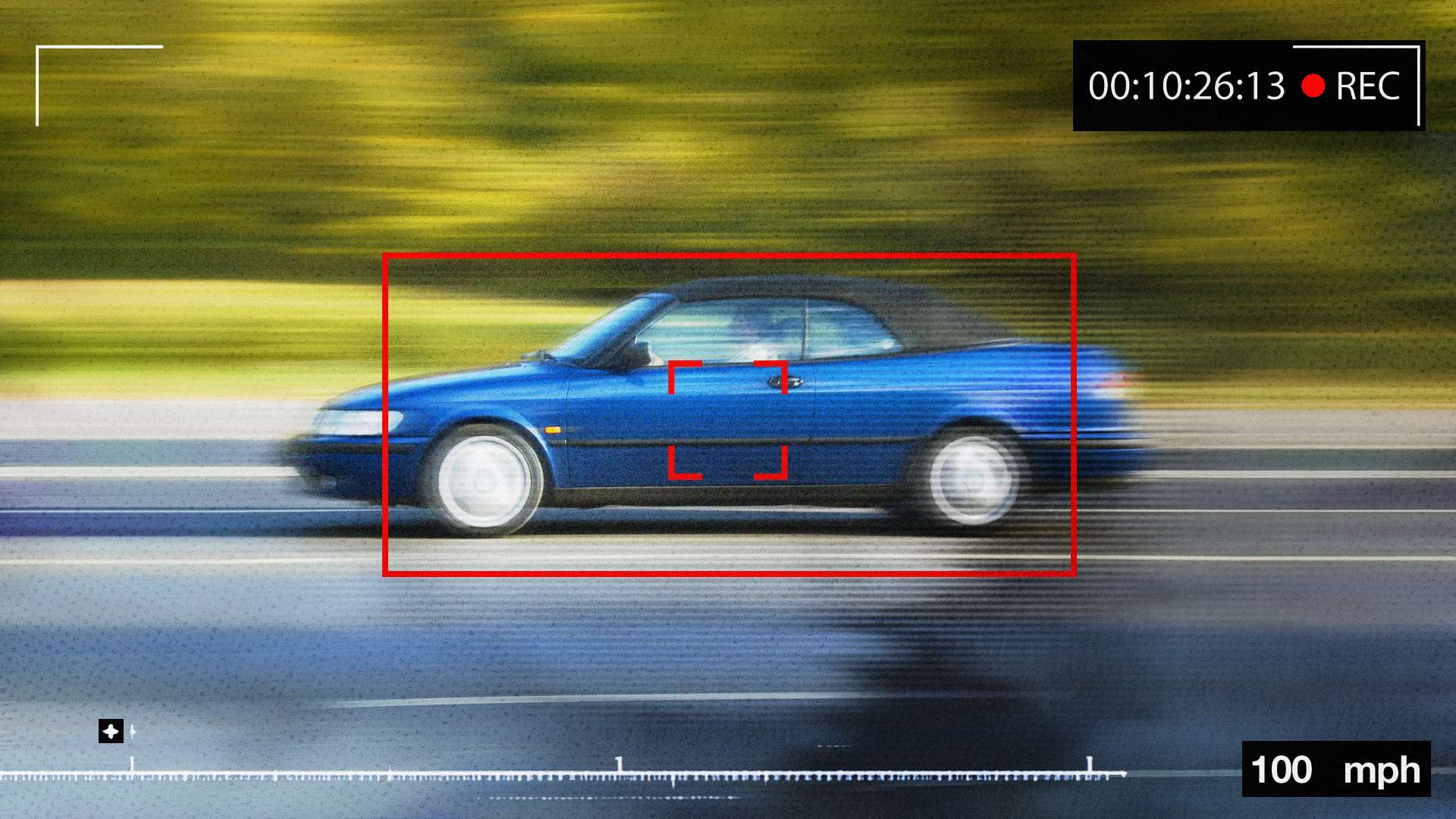
Arizona voted to block government agencies from installing new photo-enforced traffic cameras in the state, pushing back against increased fines through automated enforcement and perceived “taxation by citation.”
Proposition 319 prohibits state and local governments from installing new photo-enforcement systems, such as red-light and speed cameras, after December 31, 2026. Municipalities already using the technology can continue doing so, but must obtain voter approval at the next general election and every 10 years thereafter to continue operating.
Democratic Gov. Katie Hobbs vetoed similar bills twice in recent years. First in 2023, Hobbs stated that banning photo-enforced traffic cameras “would eliminate an important tool for law enforcement” and negatively impact Arizonians’ safety. And again in 2025, Hobbs said the move “attempts to remove the ability of local law enforcement to keep our streets safe by eliminating a tool used to enhance roadway safety.”
But proponents of the ban argue photo-enforced traffic cameras aren’t the answer to Arizona’s traffic safety woes. Overall, traffic fatalities across the Grand Canyon State have declined three years in a row, while some areas, like Tucson, have seen an increase as high as 111 percent in recent years.
Speed is often a significant factor in assessing traffic safety, but other factors must also be considered, like roadway infrastructure, to ensure safety. “Is it something about the way the road is designed? The way the intersection is designed, the lighting, the signage that’s causing perhaps driver confusion?” Scott Freeman, senior counsel at the Goldwater Institute, told 13 News. “If it is, maybe we go fix that.”
Critics of photo-enforcement systems argue that cameras fail to adequately deter unsafe driving and merely serve as a cash cow for government and private contractors. In the first few months after reviving a photo radar program in Phoenix in February, for example, “the court had issued more than 65,000 citations,” according to the Goldwater Institute, resulting in drivers paying about $1.67 million, with millions more still pending. The speeding fines go toward paying the city’s contractor, which receives a flat $612,000 per year for 17 units plus $20 per citation, and funding future traffic safety programs. The result, argues the Goldwater Institute, is never-ending “taxation by citation.”
And “with fatalities trending down before the city brought cameras back,” writes the Goldwater Institute, “it’s not clear the new photo radar program has caused any meaningful reduction in traffic deaths.”
Others in favor of the ban say the measure is necessary to ensure transparency, privacy, and due process concerns. “This measure restores accountability and makes sure enforcement decisions are made by voters…not outsourced systems that many residents believe prioritize fines over fairness,” said state Sen. Wendy Rogers (R–Flagstaff), co-sponsor of the measure, in a press release.
Whether or not automated traffic enforcement improves roadway safety has been debated for years. Some studies claim as high as a 21 percent reduction in red-light crashes and reduced high-speed T-bone collisions. Others report contradictory effects, where an increase in rear-end collisions and other drawbacks cancel out the benefits.
But for now, it seems the debate has been settled in Arizona: The promise of safer streets is not enough to justify expanding a system lacking in transparency and efficacy. Government officials would be better off targeting the underlying causes of dangerous roadways rather than hunting for their next revenue stream.









Leave a comment