
The ‘vibe shift’ was real, but it wasn’t what the GOP thought it was
 adminUpdated 56 minutes Ago3 Mins read
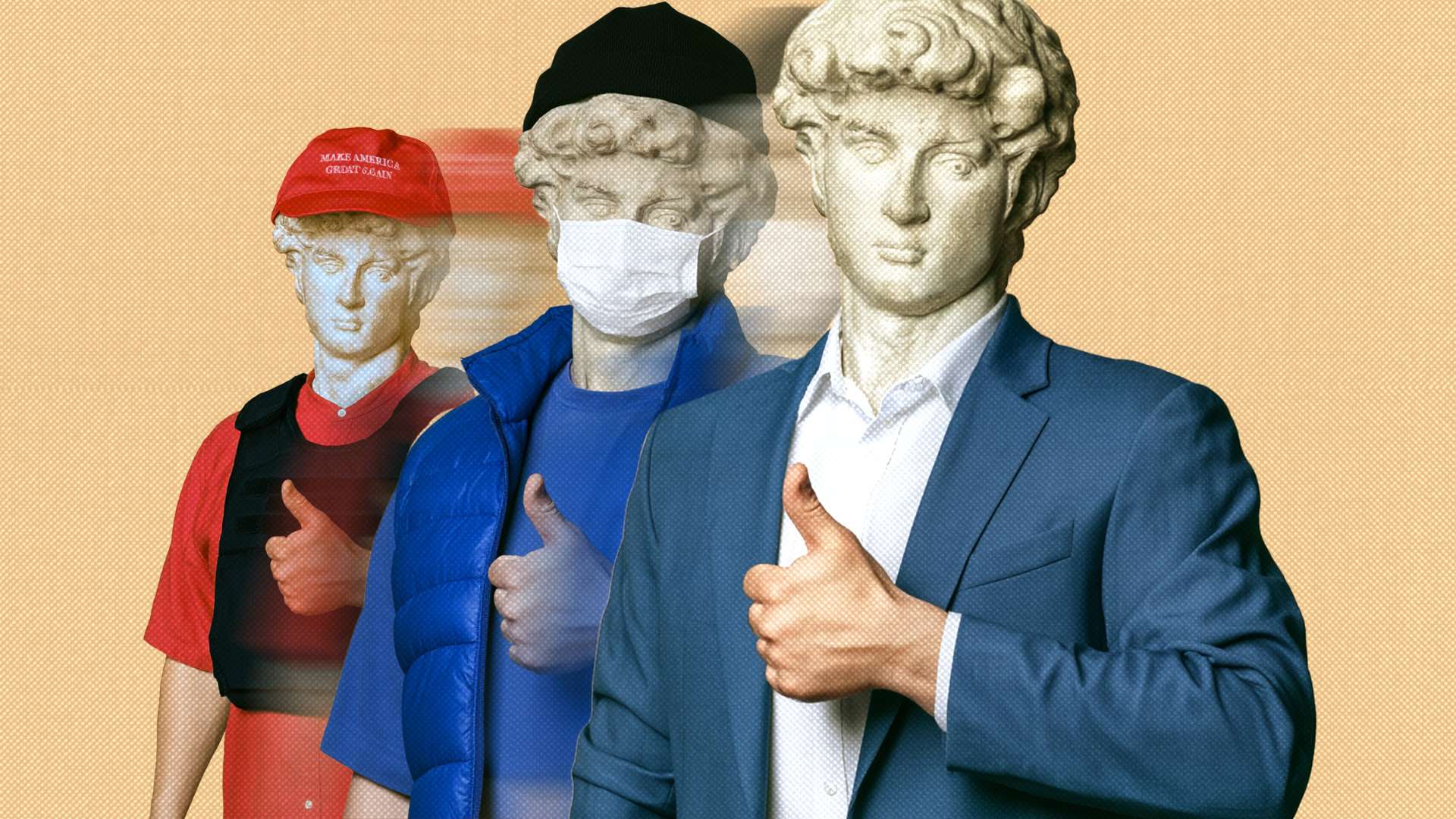
The words vibe shift entered American political discourse in the early months of 2022. The transmission belt was an article in The Cut about Sean Monahan, a professional trendspotter with a fondness for the phrase. Monahan’s beat is culture, not politics, and his rundown of what he meant by it involved sneakers and music more than any candidate for office, but the term acquired a political resonance as the Great Awokening wound down and the COVID lockdowns came to an end.
Again: It was 2022. Not 2024. A lot of punditry has reassigned the phrase to the ’24 election and suggested that it meant Donald Trump is president now, and things are going to change. But Trump was not president in 2022. If anything, Trump’s standing was at a low ebb. Nor did the term mean a cultural swing from super-woke to super-anti-woke. Instead it seemed to sum up an exhaustion with culture warring of all kinds. It carried connotations of one of the great political slogans, when Warren Harding campaigned for president after World War I promising a “return to normalcy.”
That exhaustion wasn’t an illusion. A year after that New York piece appeared, the sociologist Musa al-Gharbi assembled a list of measures, from newsroom choices to campus censorship battles, that seemed to suggest the Great Awokening was indeed ending. It had left plenty of residue in the country’s institutions, of course, but the cultural phenomenon had peaked. As al-Gharbi put it, many young people were “coming to find the culture wars both unsatisfying and rote. They are exhausted by the relentless cynicism, fear, doomsaying, and impression management that have governed much of their lives—and for what? They recognize the revolution isn’t coming anytime soon. So they are looking instead to have fun, relax, and cut loose a bit. Or, at the very least, stop having to be so neurotic, guarded, and paranoid.”
Did that shift help Trump return to office? Sure. Trump’s victory in ’24 was not driven by right-wing culture warriors. They were already voting Republican. What got them 1.5 percent over the line was support from independents, and from undegreed voters who didn’t have much patience for the Awokening but who weren’t necessarily itching for a Counterwokening either. A substantial portion of the latter group was not white, and while they weren’t fans of open borders, they also weren’t voting to have clumsy deportation squads running around enforcing Stephen Miller’s vision of a good society.
Only fools saw that 1.5 percent margin as a mandate for more culture war. But there are a lot of fools in this administration, and even more among its professional apologists. They thought the vibe shift was a switch from one side of the culture wars to another, not an exhaustion with culture war itself. They mistook their media bubble for the Great American Middle, and they projected their obsessions onto the apolitical masses. If you were a Trump supporter who thought you were voting to have fun, relax, cut loose a bit, and not be so neurotic, guarded, and paranoid, you were quickly disabused of such illusions.
Those fools weren’t the chief reason the Republicans were crushed on Tuesday. That was caused by inflation, corruption, and a dumb war that exacerbated both. But they’re probably the chief reason so many Republicans were blindsided by how little support they had. This year a candidate as unappealing as Ken Paxton may have been bound to lose his Senate bid no matter what, but he was especially likely to lose when the people campaigning for him thought the key to voters’ hearts was to gay-bait and trans-bait his Democratic opponent. In fact, voters—including Republican voters—are less likely to find that sort of thing compelling now than they used to be. They might not keep up with which terms for minority groups are in vogue this week, but that doesn’t mean they’re actually against the minority groups. They certainly aren’t likely to get excited about a campaign whose chief message was to call the other candidate “Freako.” I want to call that the sort of nickname a middle-school bully would cook up, but it’s not even that; it’s a nickname you might come up with if you dream of being a middle-school bully someday but don’t have the chops for it.
And now those fools have fallen on their faces. How long they’ll stay there may depend on how many Democrats mistake this for the wrong sort of vibe shift too.








Leave a comment