
The Guardian view on writers’ houses: a museum of one’s own | Editorial
 adminUpdated 2 hours Ago2 Mins read
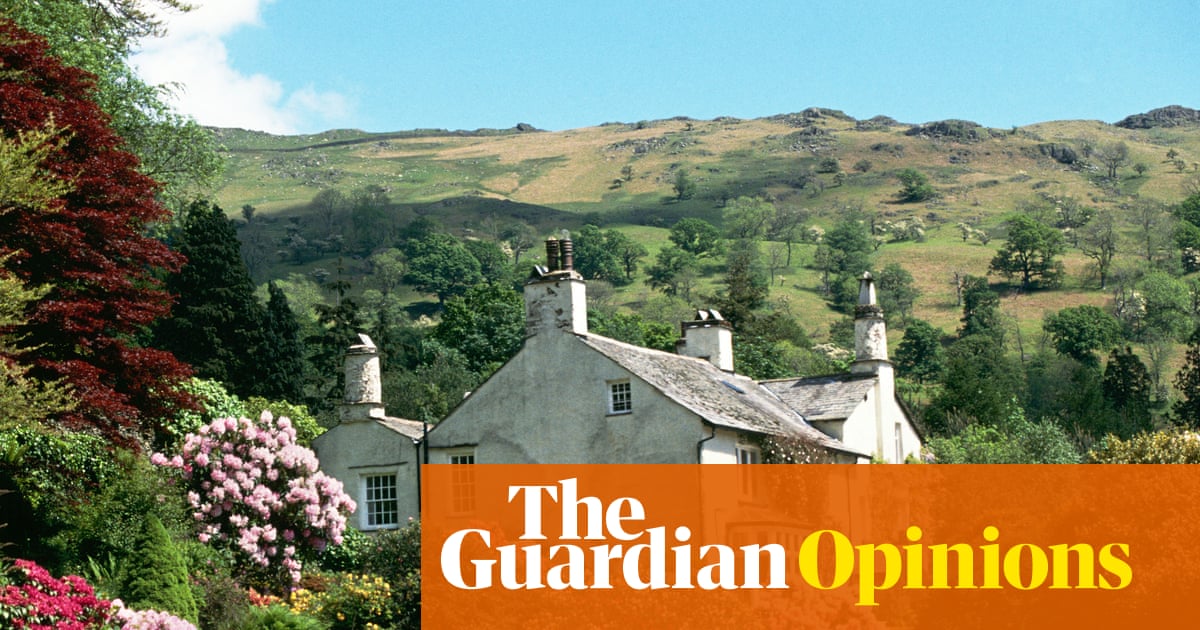
Interest in all things Jane Austen remains high, following the celebrations of her 250th anniversary. In September, the museum based in her former home in Chawton, Hampshire, will host a Persuasion festival. But a less obvious beneficiary of this spike in interest is a museum dedicated to two writers she never met: William and Dorothy Wordsworth. The success of the BBC television series The Other Bennet Sister – which portrayed Mary, a minor character in Austen’s Pride and Prejudice, as a Wordsworth enthusiast – has led to an influx of visitors to Dove Cottage in Cumbria.
This has been a big year for the Wordsworth Trust, which owns the cottage, owing to its purchase of another house: Rydal Mount, two miles to the east. When this building is reopened, the poet will become one of a handful of authors, along with Charles Dickens and Thomas Hardy, to have more than one of his homes opened to visitors.
These can be extraordinarily evocative places, brought to life by knowledgable guides. The modest cottages occupied by Hardy and Coleridge before they were famous stand in stark contrast to the aristocratic grandeur of other National Trust houses – and are an important reminder of how ordinary people once lived. In homes such as Monk’s House in East Sussex, near where Virginia Woolf drowned in the River Ouse, and Keats House in Hampstead, where the poet became ill with tuberculosis, death casts unavoidable shadows.
Rydal Mount was sold by its previous owners in part due to a drop in numbers, and curators must be adept in capitalising on any new sources of interest. At the Brontë Parsonage in Yorkshire, an exhibition accompanied this year’s release of a new Wuthering Heights film; at Anne Hathaway’s cottage in Stratford-upon-Avon, Hamnet tours are on offer.
Turning their homes into museums is, of course, not the only way to commemorate writers in the built environment. Edinburgh’s main railway station, Waverley, is famously the only one in the world named after a novel; Walter Scott, who wrote it, also has a monument across the road. National portrait galleries in Edinburgh and London depict authors alongside artists, scientists, royals, politicians and others. Buildings across the UK are adorned with blue plaques; William Shakespeare has a statue in Leicester Square.
No writer of colour has yet had their British home turned into a museum. Since this transformation generally happens years after an author’s death, this is not surprising; immigrants from India, the Caribbean and Africa, and their descendants, mostly made their mark on the world of books from the mid-20th century onwards. Hopefully more houses, or flats, will be opened in future; VS Naipaul’s book The Enigma of Arrival offers a vivid, semi-fictional account of his years in a borrowed cottage on a Wiltshire estate.
George Eliot is a more perplexing absence from the map of homes to visit – all the more so since her novel Middlemarch recently topped two Guardian polls. While the London house that she shared with George Henry Lewes was demolished, and the Arbury Estate where she was born is currently closed, efforts to restore a building linked to her family near Nuneaton have so far not succeeded. But a replica of her sitting room is in the town’s museum, while Coventry’s Herbert Art Gallery has her piano and desk. Fundraisers should be encouraged to try again: the 150th anniversary of her death falls in 2030.









Leave a comment