
Zohran Mamdani signed law giving housing nonprofits first pick of distressed buildings
 adminUpdated 10 minutes Ago2 Mins read
In New York City, “COPA” now means more than a swinging nightclub.
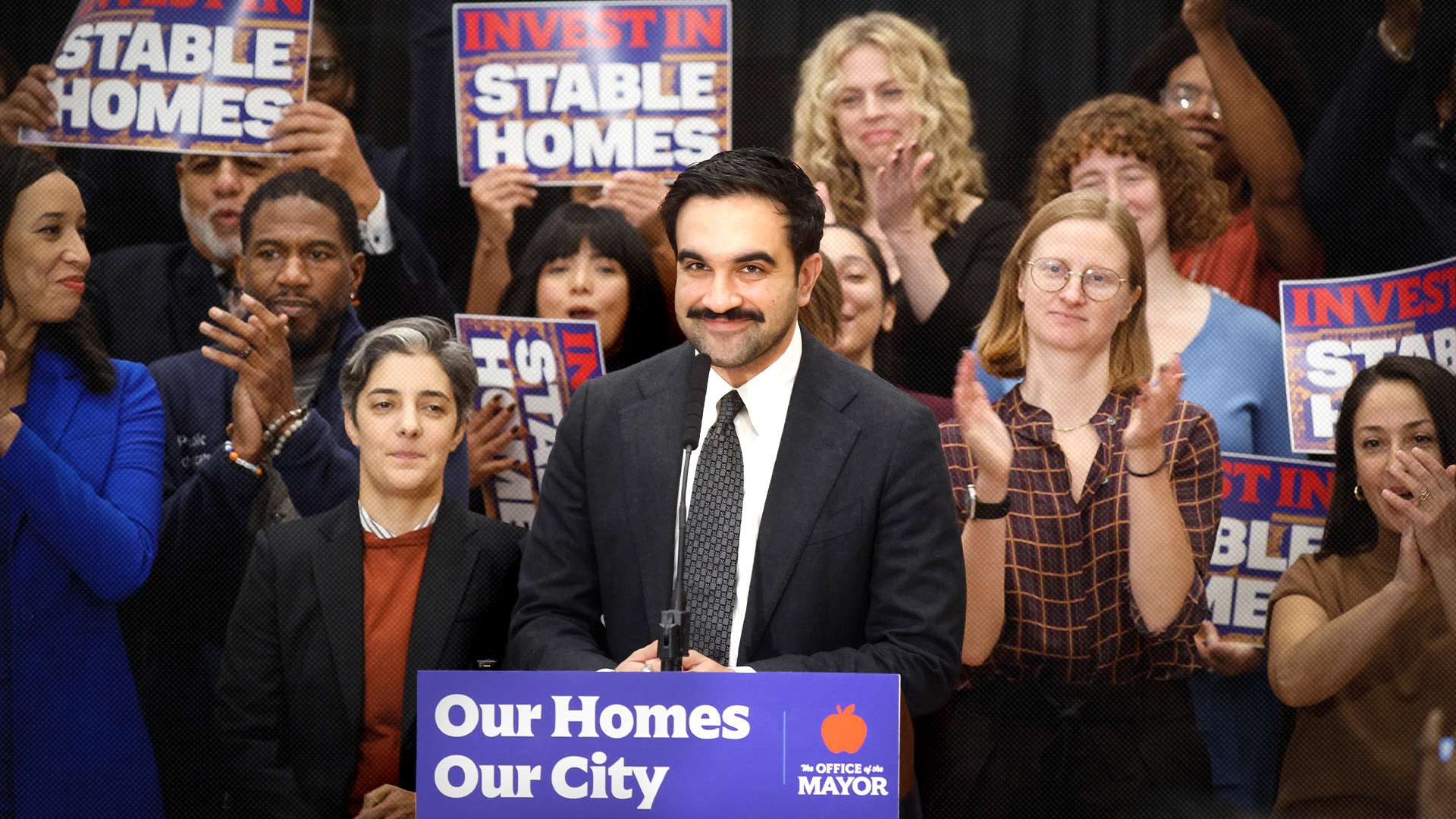
On Tuesday, New York City Mayor Zohran Mamdani signed the Community Opportunity to Purchase Act (COPA) into law, giving nonprofits and community groups first dibs on certain New York City buildings. It will go into effect in November of 2027.
COPA requires building owners to notify the city’s housing department when they want to sell certain properties, including distressed multifamily buildings with four or more units and buildings with 100 or fewer units subject to certain affordability rules. The city then allows eligible nonprofits and community groups to make offers on these buildings before private buyers. These groups have 20 days to submit a statement of interest in buying the property and 70 days to make a first offer. The groups, according to the law, also have “a right of first refusal if an owner receives an offer from a person other than a qualified entity.”
COPA was first proposed back in 2020, and a different version of the bill passed City Council in December of 2025. That version, however, was vetoed by former Mayor Eric Adams on his last day in office. This year, the City Council, led by COPA’s main sponsor, Council member Sandy Nurse, pushed through a scaled-back bill that applies to 2,100 buildings (instead of 10,000), according to amNY. Before City Council’s vote, Nurse said that the city cannot build its “way out of this crisis,” and COPA is necessary to preserve existing housing, reported The New York Times.
Although the toned-down version of COPA may alleviate some of the real estate industry’s concerns, critics of the law, like Manhattan Institute senior fellow John Ketcham, have argued that COPA still poses other problems. In December of 2025, Ketcham wrote in City Journal that COPA “rests on the flawed premises that nonprofit ownership is inherently superior to private ownership and that city government should tip the scales in favor of nonprofit ownership.”
While COPA’s supporters believe that nonprofits will best protect tenants and maintain buildings, Ketcham also noted that “there is little reason to think that nonprofits would be better at addressing cold boilers, leaky roofs, and other maintenance needs.” Nonprofits, just like private landlords, can also evict tenants, he added.
And as The New York Times has pointed out, a 2025 report from New York University’s Furman Center has warned that opportunity to purchase laws like COPA, especially in softer markets, could discourage investments by “imposing timing delays and legal process costs.”
Erik Engquist of The Real Deal argued that “COPA doesn’t improve the difficult economics of buying and operating distressed buildings,” as the few nonprofits able to buy these buildings have been allowed to bid on them without COPA.
“It just adds a layer of bureaucracy,” he wrote in October.
Adding layers of bureaucracy to the housing market instead of stripping them away is not out of character for New York City under the Mamdani administration. Just last month, the city’s rent freeze took effect. And while some tenants who are lucky enough to score frozen rent now may embrace city intervention in housing, it is unlikely that giving the government more control of the market will meaningfully bring down prices in the long run.






Leave a comment